 January 2017 in “Hair transplant forum international”
 The 6th Annual Congress of the Brazilian Association for Hair Restoration Surgery discussed new techniques and advancements in hair restoration.
 March 2026 in “The Indian Journal of Animal Sciences”
 All Indian dromedary camel breeds have the same KRTAP7 gene affecting hair quality.
July 2024 in “Journal of Investigative Dermatology” A KLK5 inhibitor effectively improved skin symptoms in a mouse model of Netherton Syndrome.
 161 citations
,
July 2003 in “ACM Transactions on Graphics”
161 citations
,
July 2003 in “ACM Transactions on Graphics” Researchers developed a new model for more realistic computer graphics rendering of hair by considering how light scatters on hair fibers.
4 citations
,
December 2024 in “Protein & Cell” MultiKano accurately identifies cell types in complex data better than existing methods.
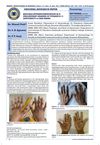 July 2021 in “PARIPEX INDIAN JOURNAL OF RESEARCH”
 Knuckle darkening can be an early sign of vitamin B12 deficiency.
 1 citations
,
October 2012 in “The Journal of Dermatology”
1 citations
,
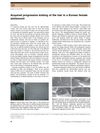
October 2012 in “The Journal of Dermatology” A Korean girl developed kinky hair without known cause or effective treatment.
 July 2023 in “British journal of dermatology/British journal of dermatology, Supplement”
 HPV8 E6 gene causes growth of certain skin stem cells.
January 1999 in “Journal of Investigative Dermatology” January 2012 in “Zhongguo nongye Kexue” The technology can create transgenic cashmere goats with improved wool quality.
September 2024 in “Journal of the American Academy of Dermatology” Most U.S. keratinocyte carcinoma patients are older white males living in urban areas.
 January 2002 in “Proceedings of The Japanese Society of Animal Models for Human Diseases”
 Keratin2-6g is crucial for hair follicle development, with mutations causing cell degeneration and vacuolation.
 10 citations
,
December 2024 in “EXPERIMENTAL ANIMALS”
10 citations
,
December 2024 in “EXPERIMENTAL ANIMALS” B6J mice live longer before 24 months, but B6N mice live longer after; both strains show weight gain, increased food and water intake, and health issues as they age.
December 2012 in “http://isrctn.org/>” 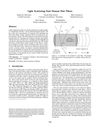
Researchers developed a new model for more realistic computer graphics of hair by considering how light scatters on hair fibers.
 February 2026 in “Pharmaceuticals”
 KRDQN effectively predicts adverse drug reactions with high accuracy and clear explanations.
March 2014 in “Journal of the American Academy of Dermatology” 25 citations
,
August 2020 in “Experimental eye research/Experimental Eye Research” Different types of cells in the eye express specific keratins at various stages of development.
 April 2016 in “Journal of Investigative Dermatology”
 Decreasing MIG6 can increase the movement and invasiveness of MEK-inhibited mutant NRAS melanoma, particularly when stimulated by EGF.
September 2023 in “Journal of the American Academy of Dermatology” Oral difelikefalin significantly reduces itch in notalgia paresthetica.
 April 2018 in “The journal of investigative dermatology/Journal of investigative dermatology”
 GATA6 is important for maintaining and differentiating cells in a key area of human skin.
 February 2026 in “Zenodo (CERN European Organization for Nuclear Research)”
 N-K Geometric Medicine heals wounds, pain, and burns better and faster than current treatments, without side effects.
 February 2026 in “Zenodo (CERN European Organization for Nuclear Research)”
 N-K Geometric Medicine heals wounds, pain, and burns better and faster than current treatments, without side effects.
5 citations
,
February 2003 in “American Journal of Medical Genetics Part A” A chromosomal change may cause ectodermal dysplasia and developmental issues in a child.
 13 citations
,
May 2011 in “Bioorganic & Medicinal Chemistry”
13 citations
,
May 2011 in “Bioorganic & Medicinal Chemistry” Changing the 6-position on benzopyran molecules affects insulin release, with some compounds showing strong inhibitory effects.
 February 2020 in “Definitions”
 Mutations in the KRT16 gene can cause skin and nail disorders.
13 citations
,
August 1985 in “The Journal of Dermatology” HKN-2 antibody targets specific skin and hair cells, showing keratin complexity.
 February 2020 in “Definitions”
 KRT72 gene helps form hair.
 20 citations
,
May 2007 in “Asian-Australasian Journal of Animal Sciences”
20 citations
,
May 2007 in “Asian-Australasian Journal of Animal Sciences” KAP8.2 gene variations affect cashmere quality in goats.