 2 citations
,
December 2021 in “Journal of Veterinary Medical Science”
2 citations
,
December 2021 in “Journal of Veterinary Medical Science” Lokivetmab reduced itching in a dog with skin lymphoma.
57 citations
,
July 2000 in “Toxicology Letters” K6/ODC transgenic mice are effective for quickly identifying cancer-causing chemicals.
![Comparative Oncology: Evaluation of 2-Deoxy-2-[18F]Fluoro-D-Glucose (FDG) Positron Emission Tomography/Computed Tomography (PET/CT) for the Staging of Dogs with Malignant Tumors](/images/assets/d55cf8d9-d8ee-4735-9b38-42a266b4059d/small/24322.jpg) 17 citations
,
June 2015 in “PLOS ONE”
17 citations
,
June 2015 in “PLOS ONE” FDG PET/CT scans can change cancer treatment plans for dogs.
 5 citations
,
June 2015 in “Veterinary dermatology”
5 citations
,
June 2015 in “Veterinary dermatology” A dog with complete hair loss regrew most hair after treatment, with no relapse after stopping treatment.
March 2022 in “Archives of Veterinary Science” A homeopathic product reduces skin issues and stress in dogs with dermatitis.
 March 2026 in “Indian journal of veterinary and animal sciences research.”
 A Labrador Retriever with pemphigus fully recovered after six weeks of azathioprine treatment.
18 citations
,
January 2013 in “Veterinary Dermatology” K15 is a reliable marker for studying stem cells in dog hair follicle tumors.
 15 citations
,
January 2012 in “Journal of Veterinary Science”
15 citations
,
January 2012 in “Journal of Veterinary Science” Different dog breeds have varying skin thickness and protein expression in their skin.
 6 citations
,
January 2015 in “Journal of the American Veterinary Medical Association”
6 citations
,
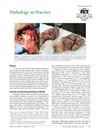
January 2015 in “Journal of the American Veterinary Medical Association” A 7-year-old dog with a rare autoimmune disease was euthanized due to severe anemia and poor prognosis.
 44 citations
,
May 2006 in “The Journal of the American Animal Hospital Association/Journal of the American Animal Hospital Association”
44 citations
,
May 2006 in “The Journal of the American Animal Hospital Association/Journal of the American Animal Hospital Association” Both treatments for pemphigus foliaceus in dogs are effective, but combination therapy has more side effects.
 August 2019 in “International journal of current microbiology and applied sciences”
 Young dogs in Odisha with dermatitis are most often infected by Microsporum fungus, and Miconazole is the most effective treatment.
Biorregulatory therapy significantly improved the dog's health, reversing previous issues and eliminating the need for ongoing medication.
 40 citations
,
June 2013 in “Scientific Reports”
40 citations
,
June 2013 in “Scientific Reports” A gene variant in KRT71 causes the curly fur in Selkirk Rex cats.
83 citations
,
January 1980 in “Veterinary Pathology” Canine leishmaniasis is present in Oklahoma, USA.
22 citations
,
May 2008 in “Acta veterinaria Scandinavica” English springer spaniels are more prone to severe sebaceous adenitis than standard poodles.
 January 2019 in “Jui rinsho hifuka”
 A dog's skin and digestive problems improved after treatment for thyroid cancer.
5 citations
,
January 2016 in “Purdue e-Pubs (Purdue University System)” Dogs in these breeding facilities generally had good physical welfare with minor health issues.
 September 2023 in “Jurnal Ilmu Kesehatan Hewan”
 The dog improved significantly after treatment for skin mites and fungi.
 January 2025 in “International Journal of Biology Sciences”
 Combining systemic and topical treatments effectively cured a dog's skin condition.
 October 2020 in “Veterinary Dermatology”
 New treatments and diagnostic methods for various animal skin conditions showed promising results.
A black Doberman with hair loss improved partially with omega-3/omega-6 treatment.
 January 2024 in “International journal of advanced biochemistry research”
 The dog fully recovered from demodicosis after treatment with Bravecto and supportive care.
January 2026 in “Preprints.org” Four new FGF5 gene variants cause long hair in dogs.
 4 citations
,
March 2011 in “Korean Journal of Veterinary Research”
4 citations
,
March 2011 in “Korean Journal of Veterinary Research” Two dogs in Korea were diagnosed with a rare skin condition usually seen in cats.
 August 2001 in “Veterinary Dermatology”
 The meeting presented findings on effective treatments for various pet skin conditions and insights into the immune responses of dogs with atopic dermatitis.
January 2025 in “Open Veterinary Journal” Supplements improved the dog's hair growth without side effects.
1 citations
,
May 2011 in “DOAJ (DOAJ: Directory of Open Access Journals)” The study found genetic diversity in coat color dilution among Czech pointers in Slovakia.
 February 2026 in “Pharmaceuticals”
 KRDQN effectively predicts adverse drug reactions with high accuracy and clear explanations.
August 2017 in “ARSHI Veterinary Letters” A Shih Tzu with Cushing syndrome developed skin issues and was euthanized after treatment led to neurological problems.
August 2024 in “NPI Journal of Science and Technology.” The Golden Retriever's skin condition improved after treatment.