 3 citations
,
January 1992 in “Gynecological Endocrinology”
3 citations
,
January 1992 in “Gynecological Endocrinology” 3α, 17β-androstanediol-glucuronide is not a useful marker for androgen excess but may help monitor certain treatments.
34 citations
,
January 1998 in “Archiv für Pathologische Anatomie und Physiologie und für Klinische Medicin” Trichoblastomas may mimic fetal skin development by having many Merkel cells, unlike adult skin.
January 2023 in “ALEXMED ePosters (Online)” Alopecia patients have a higher risk of heart disease.
 March 2025 in “MINAR International Journal of Applied Sciences and Technology”
 Certain genes can predict how well breast cancer patients respond to chemotherapy.
28 citations
,
March 1993 in “Journal of Cell Science” Keratins K4 and K13 form stable dimers in mature esophageal cells, aiding cell stability.
3 citations
,
October 2024 in “Experimental Dermatology” Higher CRHR1 levels in AA patients lead to increased inflammation.
 January 2016 in “International Journal of Dermatology and Venereology”
 DNA methylation changes are linked to skin diseases with inflammation.
 April 2026 in “Metabolites”
 Chronic skin diseases and metabolic syndrome are linked by shared inflammation pathways.
June 2026 in “Experimental Dermatology” Large wounds have more infundibular basal keratinocytes, aiding hair follicle regeneration.
25 citations
,
September 1995 in “Biochemistry and Cell Biology” High levels of human keratin 16 in mice cause skin lesions and abnormal skin development.
25 citations
,
October 2002 in “The journal of investigative dermatology/Journal of investigative dermatology” Mouse profilaggrin helps in skin cell differentiation and may be involved in calcium signaling.
6 citations
,
October 2009 in “Veterinary Dermatology” Canine claws have complex structures with different keratin types, similar to hair and nails.
January 2016 in “Huanjing yu Jiankang Zazhi” 138 citations
,
November 1977 in “Biochimica et Biophysica Acta (BBA) - Proteins and Proteomics” 18 citations
,
April 2002 in “Journal of cutaneous pathology” Tiny infundibular cysts are the main lesions in chloracne, not comedones.
 28 citations
,
April 1996 in “Cell biology international”
28 citations
,
April 1996 in “Cell biology international” Changes in keratin affect skin health and can lead to skin disorders like blistering diseases and psoriasis.
6 citations
,
May 2000 in “Pediatric Dermatology” KID syndrome should be reclassified as an ectodermal dysplasia.
1 citations
,
January 2013 Glucosylceramides are essential for healthy skin and proper wound healing.
 2 citations
,
November 2018 in “JAAD case reports”
2 citations
,
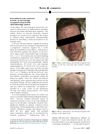
November 2018 in “JAAD case reports” Drinking kava tea can cause a skin reaction with red, swollen bumps, which may improve with steroids.
September 2025 in “Figshare” Alopecia areata involves complex immune responses, suggesting broader treatments could help.
12 citations
,
January 1991 in “Acta Dermato Venereologica” Basal cell epithelioma-like changes are most similar to normal basal cells.
April 2010 in “Cancer Research” CDK4 levels affect the number of hair follicle stem cells in mice.
 6 citations
,
January 2013 in “Journal of Clinical and Diagnostic Research”
6 citations
,
January 2013 in “Journal of Clinical and Diagnostic Research” AMH levels are higher in women with PCOS and can indicate the number of small follicles in their ovaries.
75 citations
,
October 1999 in “Differentiation” Mouse keratin 6 isoforms have different expression patterns in various tissues.
7 citations
,
January 2021 in “bioRxiv (Cold Spring Harbor Laboratory)” Skin cells control immune cell placement, helping the skin respond better to challenges.
 October 2020 in “Benha Journal of Applied Sciences”
 Troponin I may help detect heart problems in people with Androgenetic Alopecia.
November 2024 in “Journal of Investigative Dermatology” Skin and hair cells release serotonin and histamine naturally, which could help improve skin health.
April 2012 in “Cancer Research” Bone marrow-derived cells can lead to skin inflammation and tumors in mice.
 April 2018 in “Journal of Investigative Dermatology”
 IL-17C is important in inflammatory skin diseases and could be a target for treatment.
March 2016 in “Benha Veterinary Medical Journal” Type XIX Collagen is present in specific skin and hair cells during development.