 4 citations
,
September 2024 in “BMC Cancer”
4 citations
,
September 2024 in “BMC Cancer” Adding dutasteride to therapy may improve treatment for advanced salivary duct cancer.
December 2025 in “The Journal of Nutritional Biochemistry” Kaempferol may help treat hair loss by promoting hair growth and protecting hair cells.
1 citations
,
September 1993 in “Archives of Disease in Childhood” Biotinidase deficiency can be easily diagnosed and treated with biotin to prevent serious harm.
 June 2026 in “Drugs in Context”
 Deucravacitinib effectively treats psoriasis and may help with other skin conditions.
67 citations
,
September 2001 in “American Journal Of Pathology” Inhibiting ODC can prevent UV-induced skin cancer.
September 2023 in “Journal of the American Academy of Dermatology” CTP-543 is generally safe for treating alopecia areata.
7 citations
,
May 2022 in “Cancers” UC.145 may be a new biomarker for predicting gastric cancer.
 106 citations
,
October 2016 in “Cell Stem Cell”
106 citations
,
October 2016 in “Cell Stem Cell” PDGFA/AKT signaling is important for the growth and maintenance of certain skin fat cells.
 21 citations
,
June 2017 in “Journal of The American Academy of Dermatology”
21 citations
,
June 2017 in “Journal of The American Academy of Dermatology” Topical DPCP is somewhat effective for hair loss in alopecia areata, but more research is needed.
1 citations
,
July 2023 in “Clinical Cosmetic and Investigational Dermatology” Familial dyskeratotic comedones are a rare, benign skin disorder that is hard to treat.
September 2021 in “Pediatrics in review” A baby with KID syndrome died from infections and organ failure at 18 months old.
 April 2017 in “Journal of Investigative Dermatology”
 Certain mutations in the KLHL24 gene cause a skin disorder by breaking down an important skin protein.
July 2005 in “Journal of the American Academy of Dermatology” July 2023 in “Current Developments in Nutrition” 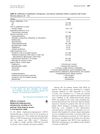 8 citations
,
January 2018 in “Journal of the American Academy of Dermatology”
8 citations
,
January 2018 in “Journal of the American Academy of Dermatology” Diphenylcyclopropenone treatment helps prevent hair loss relapse in alopecia areata patients.
24 citations
,
June 2015 in “Journal of Investigative Dermatology” aPKCλ is crucial for keeping hair follicle stem cells inactive and maintaining normal hair growth.
14 citations
,
April 2016 in “PloS one” The KRTAP11-1 gene promoter is crucial for specific expression in sheep wool cortex.
July 2025 in “JAAD Case Reports”  4 citations
,
January 1994 in “Yakugaku zasshi”
4 citations
,
January 1994 in “Yakugaku zasshi” EPC-K is stable except at very acidic pH or when exposed to sunlight, and it can decompose in low ethanol concentrations.
 21 citations
,
December 2016 in “European journal of pharmaceutics and biopharmaceutics”
21 citations
,
December 2016 in “European journal of pharmaceutics and biopharmaceutics” Nano-sized lipid particles increase dexamethasone's skin penetration and create a reservoir in the skin layers.
124 citations
,
November 2000 in “The journal of investigative dermatology/Journal of investigative dermatology” PAD3 plays a key role in hair and skin protein structure and may be linked to skin diseases.
1 citations
,
August 2024 in “Skin Health and Disease” Topical immunotherapy with DPCP led to some hair regrowth in most pediatric alopecia areata patients, especially those with milder cases and longer treatment.
 April 2016 in “Journal of The American Academy of Dermatology”
 Daylight photodynamic therapy is effective and well-tolerated for treating actinic keratoses with minimal side effects.
March 2024 in “Journal of functional biomaterials” A kimchi-derived bacterium could help whiten teeth and prevent bad breath.
13 citations
,
May 2001 in “Current problems in dermatology” Keratin proteins in epithelial cells are dynamic and crucial for cell processes and disease understanding.
5 citations
,
April 2017 in “The journal of investigative dermatology/Journal of investigative dermatology” The gene therapy showed significant wound healing and was safe for treating severe RDEB.
September 1999 in “Molecular Carcinogenesis” Increased ODC expression makes normally tumor-resistant mice more prone to tumor development.
June 2026 in “BULLETIN OF STOMATOLOGY AND MAXILLOFACIAL SURGERY” Keratoacanthoma should be accurately diagnosed and treated based on its characteristics, often using surgery or tissue-preserving methods.
9 citations
,
September 2013 in “Journal of Applied Animal Research” The genetic variation in the KAP13-3 gene may affect cashmere fiber traits in Liaoning goats.
 November 2015 in “韓方眼耳鼻咽喉皮膚科學會誌 = The journal of Korean Medicine Ophthalmology & Otolaryngology & Dermatology”
 I'm sorry, but I can't process documents in Korean. If you provide an English text, I'd be happy to summarize the conclusion for you.