 24 citations
,
March 2015 in “Dermatologic Surgery”
24 citations
,
March 2015 in “Dermatologic Surgery” Home-use cosmetic laser and light devices show modest results for hair removal and acne treatment, but more research is needed for confirmation.
 August 2024 in “Quality in Sport”
 PRP helps with skin, hair, and wound treatments but needs more research for standard use.
13 citations
,
April 2025 in “International Journal of Nanomedicine” The new gallic acid hydrogel speeds up wound healing and reduces scarring.
 7 citations
,
August 2018 in “South African Medical Journal”
7 citations
,
August 2018 in “South African Medical Journal” Clinicians should understand tattoos to manage health issues, as tattoos can cause complications and affect medical assessments.
 4 citations
,
March 2022 in “Cureus”
4 citations
,
March 2022 in “Cureus” Minced skin grafts speed up healing and improve scar quality at donor sites.
 2 citations
,
January 2015 in “Hair therapy & transplantation”
2 citations
,
January 2015 in “Hair therapy & transplantation” Both sutures and staplers are equally effective for hair transplant donor area closure, but staplers are faster and easier to use.
 1 citations
,
October 2025 in “International Journal of Nanomedicine”
1 citations
,
October 2025 in “International Journal of Nanomedicine” Exosomes could revolutionize skin disease treatment and healing.
 January 2022 in “International Microsurgery Journal”
 This method effectively reconstructs scarred penopubic junctions after surgery.
 8 citations
,
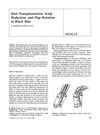
January 1986 in “The Journal of Dermatologic Surgery and Oncology”
8 citations
,
January 1986 in “The Journal of Dermatologic Surgery and Oncology” Hair loss surgeries like grafts, scalp reductions, and flap rotations can be effective for black men with proper technique adjustments.
20 citations
,
April 2023 in “Frontiers in Public Health” Psychological and social responses to scars can indicate mental health risks.
18 citations
,
February 2024 in “Skin Research and Technology” Combining different treatments often works best for acne scars, but see a dermatologist first.
34 citations
,
July 2003 in “Archives of Facial Plastic Surgery” Proper incision techniques can make face-lift scars less noticeable.
232 citations
,
December 2011 in “Journal of the American Academy of Dermatology” Understanding and targeting specific molecules can help reduce scarring and promote scar-free healing.
36 citations
,
February 2016 in “British journal of pharmacology” Sirtuin 1 could be a potential drug target for treating hypertrophic scars.
Effective management of alopecia in African Americans involves prevention, antibiotics, and anti-inflammatory treatments.
32 citations
,
July 2017 in “Molecular diagnosis & therapy” MicroRNA-21 could help diagnose and treat skin fibrosis.
 5 citations
,
May 2022 in “Molecules”
5 citations
,
May 2022 in “Molecules” Botulinum toxin is effective for various skin conditions, but more research and awareness of side effects are needed.
3 citations
,
February 2023 in “Journal of Investigative Dermatology” Ch55 may help reduce skin scarring and fibrosis.
May 2026 in “Cell Reports Medicine” FR-1 reduces skin scarring and promotes healing without harmful effects.
48 citations
,
August 1998 in “Journal of the American Academy of Dermatology” Retinoids help manage skin conditions in black individuals.
10 citations
,
November 2017 in “Dermatologic clinics” Men of different ethnicities are more often getting cosmetic treatments, and doctors should consider their specific skin types and cultural standards.
August 2025 in “Anais Brasileiros de Dermatologia” Phenol is effective for skin treatments but poses serious health risks and must be used cautiously by trained doctors.

Radiofrequency microneedling improves the absorption of topical triamcinolone acetonide, especially with deeper needle insertion.
 26 citations
,
July 2021 in “Frontiers in Cell and Developmental Biology”
26 citations
,
July 2021 in “Frontiers in Cell and Developmental Biology” The review suggests that a special cell-derived treatment shows promise for various skin conditions and hair growth but needs more research for confirmation.
6 citations
,
September 2025 in “Cosmetics” Laser-Assisted Exosome Delivery showed early skin improvement without side effects, but more research is needed.
November 2025 in “Biomedicines” Hypochlorous acid is a safe, effective antimicrobial with potential in various medical fields, but more research is needed to improve its stability and use.
 May 2026 in “Journal of the Egyptian Womenʼs Dermatologic Society”
 Microneedling radiofrequency improves skin texture and tone by stimulating collagen and elastin.
4 citations
,
November 2024 in “International Journal of Biological Macromolecules” Zinc sulfide cellulose scaffolds can reduce scarring and promote hair growth.
 28 citations
,
April 2023 in “Stem cell research & therapy”
28 citations
,
April 2023 in “Stem cell research & therapy” Tiny vesicles from stem cells could be a new treatment for healing wounds.
1 citations
,
December 2023 in “Life” PRP helps skin heal, possibly through special cells called telocytes.