62 citations
,
October 2018 in “Journal of pathology” Keratin 17 is linked to various diseases, including cancer and skin conditions, and may be a target for diagnosis and treatment.
53 citations
,
October 2003 in “Genetics” The mK6irs1/Krt2-6g gene likely causes wavy hair in mice.
Anti-keratin antibody from cow milk makes damaged hair stronger and less likely to break.
The KRT84 gene is linked to better wool quality in Gansu Alpine Fine-wool sheep.
10 citations
,
April 2013 in “Journal of Investigative Dermatology” Epidermolytic ichthyosis can be inherited in a semidominant way with mild symptoms in carriers.
5 citations
,
February 2022 in “Biophysical journal” The model shows that filament flexibility and amino acid differences affect how fast intermediate filament proteins assemble.
September 2009 in “Hair transplant forum international” Genetic testing can help understand male pattern baldness.
1 citations
,
January 2019 in “PubMed” cgVEGF164 boosts hair follicle growth in mice.
 April 2017 in “Journal of Investigative Dermatology”
 Chemotherapy and radiation therapy cause skin and hair damage by altering gene expression and signaling pathways.
148 citations
,
September 2003 in “Journal of Investigative Dermatology Symposium Proceedings” Alopecia areata is an autoimmune disorder causing hair loss, linked to specific hair follicle antigens and genetic factors.
27 citations
,
July 1997 in “PubMed” The harlequin ichthyosis mouse mutation causes thick skin and early death, resembling a human skin disorder.
26 citations
,
December 2003 in “Experimental Dermatology” Specific keratin gene mutations can cause monilethrix.
 5 citations
,
January 2022 in “Scientific reports”
5 citations
,
January 2022 in “Scientific reports” The research identified two types of keratinocytes in chicken scales: one for hard scales and another for soft skin, with similarities to human skin differentiation.
 78 citations
,
April 1994 in “Archives of dermatology”
78 citations
,
April 1994 in “Archives of dermatology” The study found that Keratosis Pilaris Atrophicans is a genetic skin condition that starts in childhood, involves inflammation and scarring, and current treatments are only somewhat effective.
 3 citations
,
September 2019 in “Clinical and experimental dermatology”
3 citations
,
September 2019 in “Clinical and experimental dermatology” Basal cell carcinomas may differentiate similarly to hair follicles and could be influenced by hair cycle-related treatments.
April 2016 in “Journal of Investigative Dermatology” Mutations in the TSPEAR gene cause a new form of ectodermal dysplasia affecting hair and tooth development.
32 citations
,
January 2000 in “Human Heredity” Monilethrix severity varies and may be influenced by other genetic or environmental factors.
September 2021 in “The journal of investigative dermatology/Journal of investigative dermatology” Three genes linked to the development of trichilemmal cysts were found.
February 2021 in “PubMed” A 2-year-old girl had a hair disorder not shared by her identical twin.
 February 2020 in “Definitions”
 Mutations in the KRT16 gene can cause skin and nail disorders.
 January 2024 in “Journal of Hard Tissue Biology”
 A high-fat diet may weaken tongue structure by reducing certain protein genes.
 January 2016 in “Journal of Investigative Dermatology”
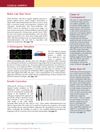
 Some cells may slow melanoma growth, a protein could affect skin pigmentation, a gene-silencing method might treat hair defects, skin bacteria changes likely result from eczema, and a defensin protein could help treat multiple sclerosis.
 January 2024 in “Journal of Microorganism Control”
 The antibacterial toner can effectively kill acne-causing bacteria by penetrating skin plugs.
 6 citations
,
August 2012 in “The Journal of Pediatrics”
6 citations
,
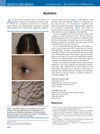
August 2012 in “The Journal of Pediatrics” A 12-year-old girl was diagnosed with monilethrix, a genetic condition causing fragile, beaded hair that breaks easily, with no effective treatment available.
 9 citations
,
February 2022 in “Nature communications”
9 citations
,
February 2022 in “Nature communications” Rare changes in the KRT82 gene are linked to a higher risk of Alopecia Areata.
 January 2025 in “Advanced Materials Interfaces”
 Tannic acid can reduce hair loss by 56.2% by coating hair and releasing beneficial molecules.
88 citations
,
June 2000 in “Journal of Investigative Dermatology” Keratin 17 is important for hair and nail structure and affects pachyonychia congenita symptoms.
26 citations
,
October 1998 in “Experimental Dermatology” A keratin hHb6 mutation causes a hair disorder with varying severity, influenced by other factors.
 1 citations
,
January 2024 in “Scientific reports (Nature Publishing Group)”
1 citations
,
January 2024 in “Scientific reports (Nature Publishing Group)” Human hair was used to make biodegradable plastic films that could be useful for packaging and disposable products.
94 citations
,
October 1994 in “The Journal of Cell Biology” Too much keratin 16 in mice skin causes abnormal skin thickening and structure.