 1 citations
,
April 2017 in “Journal of Investigative Dermatology”
1 citations
,
April 2017 in “Journal of Investigative Dermatology” Topical glucocorticoids thin the skin and change collagen structure.
 2 citations
,
February 2009 in “Clinical and Experimental Dermatology”
2 citations
,
February 2009 in “Clinical and Experimental Dermatology” A man had rare skin tumors with bone formation and cholesterol deposits.
87 citations
,
August 1974 in “Journal of Investigative Dermatology” 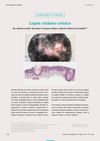 January 2024 in “Revista Dermatológica Centro Uraga”
 The patient has Chronic Cutaneous Lupus, a skin condition causing plaques and hair loss.
7 citations
,
November 1997 in “Reproduction Fertility and Development” Epidermal growth factor disrupts hair and gland formation in bandicoots.
33 citations
,
June 2007 in “Gene Expression Patterns” CTIP2 may help in skin development and maintenance.
 6 citations
,
December 2022 in “Colloids and Surfaces B: Biointerfaces”
6 citations
,
December 2022 in “Colloids and Surfaces B: Biointerfaces” The new wound dressing promotes cell growth and healing, absorbs wound fluids well, and is biocompatible.
18 citations
,
November 2007 in “Acta Veterinaria Hungarica” The ovine interdigital sinus has a complex structure with three layers and various skin-like features.
 3 citations
,
January 2015 in “Sen i Gakkaishi”
3 citations
,
January 2015 in “Sen i Gakkaishi” The new keratin film without KAPs stains better and could help study keratin functions.
 April 2017 in “Journal of Investigative Dermatology”
 Sweat glands and hair follicles are determined by opposing signals, with BMPs promoting sweat glands and blocking BMPs leading to hair follicles.
92 citations
,
April 2009 in “Journal of Investigative Dermatology” The Celsr1 gene is crucial for normal hair patterning in mice.
September 2016 in “Journal of dermatological science” TSC2 is crucial for proper hair follicle development and patterning.
July 1979 in “Archives of Dermatology” A 68-year-old woman with benign mucous membrane pemphigoid has eye, mouth, and skin issues, including thick plaques and nail changes.

This rare genetic disorder causes permanent hair loss and skin bumps from birth.
26 citations
,
May 1988 in “Pediatric dermatology” Eruptive vellus hair cysts can run in families.
37 citations
,
August 2000 in “Journal of Cutaneous Pathology” Poromas are related to sweat duct cells, and CK patterns help distinguish apocrine poromas from other neoplasms.
 April 2025 in “Dermatology Practical & Conceptual”
 UV-enhanced trichoscopy helps diagnose hair shaft disorders like pili annulati.
31 citations
,
September 1996 in “Differentiation” The upper dermal sheath can regenerate hair in rats.
3 citations
,
December 1990 in “Acta Medica et Biologica”  13 citations
,
June 2018 in “Dermatopathology”
13 citations
,
June 2018 in “Dermatopathology” A new classification system for skin cysts was proposed to improve diagnosis.
14 citations
,
October 2001 in “British Journal of Ophthalmology” Corneal issues in pemphigus vulgaris may require surgery if medication is not followed.
Diseased horse foot skin shows increased keratin expression, similar to wound healing in mammals.
 1 citations
,
December 2022 in “Life”
1 citations
,
December 2022 in “Life” Topical corticosteroids are the main treatment for Erosive Pustular Dermatosis, but recurrence is common after stopping treatment.
9 citations
,
June 2020 in “JAAD Case Reports” Dissecting cellulitis may have genetic links and can cause permanent hair loss.
193 citations
,
May 2008 in “Development” Activating β-catenin can turn skin cells into hair follicles.
11 citations
,
January 2015 in “JOURNAL OF HEALTH SCIENCE” A 12-year-old boy's rare skin condition improved with topical treatments and may resolve by puberty.
25 citations
,
November 2020 in “Proceedings of the National Academy of Sciences” HoxC genes are crucial for normal hair and nail development.
 83 citations
,
May 2013 in “International Journal of Molecular Sciences”
83 citations
,
May 2013 in “International Journal of Molecular Sciences” Skin development in mammals is controlled by key proteins and signals from underlying cells, involving stem cells for maintenance and repair.
6 citations
,
November 1960 in “Experimental Biology and Medicine” Hair growth stages don't significantly change lipid content in mouse skin.
 22 citations
,
January 2009 in “Medical mycology”
22 citations
,
January 2009 in “Medical mycology” A family got a fungal infection from a boy who had contact with rabbits, but they all recovered with treatment.