99 citations
,
July 1996 in “Journal of Investigative Dermatology” Using patient's own hair cells can effectively heal chronic leg ulcers.
January 2005 in “Australian viticulture” Different tissues in cows have different types of cytokeratins.
2 citations
,
July 2021 in “Bali Medical Journal” A preauricular crease is common in people with coronary artery disease.
January 1991 in “Acta Dermato Venereologica” A new method effectively visualizes keratin in hair without harsh chemicals.
1 citations
,
March 2006 in “The FASEB journal” Keratin-based scaffolds are safe and effective for tissue engineering.
 April 2016 in “Journal of Investigative Dermatology”
 The symposium showed that stem cells are key for understanding and treating skin diseases and for developing new skin models and therapies.
1 citations
,
December 2023 in “Life” PRP helps skin heal, possibly through special cells called telocytes.
 10 citations
,
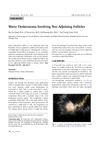
January 2011 in “Annals of Dermatology”
10 citations
,
January 2011 in “Annals of Dermatology” A rare scalp tumor involving two hair follicles was successfully removed with surgery, with no recurrence after 7 months.
3 citations
,
October 2024 in “Cancers” Skin side effects from melanoma immunotherapy are common and may indicate better survival.
 5 citations
,
February 2017 in “Facial Plastic Surgery Clinics of North America”
5 citations
,
February 2017 in “Facial Plastic Surgery Clinics of North America” Improve chin and perioral scars with surgery, resurfacing, and other therapies, tailored to each patient.
 127 citations
,
July 2002 in “EMBO journal”
127 citations
,
July 2002 in “EMBO journal” Normal skin cell renewal doesn't need RAR signaling, but vitamin A-related skin thickening does.
 May 1999 in “Dermatologic Surgery”
 Dr. Zitelli emphasized that "Mohs surgery" should only be called that when one doctor does both the surgery and pathology.
 April 2015 in “Reactions Weekly”
 Some elderly men had healing problems after using imiquimod and diclofenac for skin conditions on their scalps.
14 citations
,
August 2013 in “Journal of Parasitology” Mite infestations severely harm the health of endangered Amargosa voles.
9 citations
,
November 2024 in “Biotechnology for Sustainable Materials” Keratin-based biomaterials are promising for wound healing, drug delivery, and nerve regeneration due to their biodegradability and biocompatibility.
 1 citations
,
October 2022 in “Dermatology practical & conceptual”
1 citations
,
October 2022 in “Dermatology practical & conceptual” Isolated patchy heterochromia with pili annulati can occur without other health issues.
August 2024 in “Skin Research and Technology” TAF can be identified by excessive skin thickening and clogged hair follicles, helping distinguish it from similar skin conditions.
 17 citations
,
July 2018 in “International Journal of Cosmetic Science”
17 citations
,
July 2018 in “International Journal of Cosmetic Science” Keratin-based particles safely improve hair strength, smoothness, and heat protection.
 8 citations
,
July 2022 in “International Journal of Molecular Sciences”
8 citations
,
July 2022 in “International Journal of Molecular Sciences” Skin cells release substances important for healing and fighting infection, and understanding these could improve skin disorder treatments.
63 citations
,
March 2018 in “Experimental Dermatology” Collagen XVII is vital for skin structure, hair stem cell support, and skin cell regulation.
Tricholemmoma is linked to Cowden syndrome and can be benign or malignant.
 15 citations
,
April 2014 in “Experimental Dermatology”
15 citations
,
April 2014 in “Experimental Dermatology” Scientists developed a system to study human hair growth using skin cells, which could help understand hair development and improve skin substitutes for medical use.
July 2022 in “British Journal of Dermatology” 12 citations
,
January 2013 in “Indian dermatology online journal” Dermatopathia pigmentosa reticularis causes skin discoloration, hair loss, and nail problems.
October 2002 in “Dermatologic Surgery” 40 citations
,
February 1994 in “Journal of Investigative Dermatology”  1 citations
,
May 2024 in “Cureus”
1 citations
,
May 2024 in “Cureus” Lichen planopilaris can unusually affect only the face, causing pigmentation and scarring.
A 21-year-old with lichen planopilaris was successfully treated, stopping disease progression and preventing crusts.
6 citations
,
October 2001 in “British Journal of Ophthalmology” Intralesional cidofovir may be a viable treatment for conjunctival lesions in Melkersson-Rosenthal syndrome without systemic toxicity.
5 citations
,
August 2021 in “Experimental dermatology” Overexpressing Merkel cell virus proteins in human hair follicles can create clusters of cells that resemble Merkel cell cancer.