 July 2021 in “Research, Society and Development”
 Minoxidil is effective and safe for hair growth in Androgenetic Alopecia, with manageable side effects.
 March 2005 in “Journal of The American Academy of Dermatology”
 Two cosmetic lotions used day and night may be a good alternative to minoxidil for hair loss treatment with better cosmetic effects and tolerance.
 April 2016 in “Journal of Investigative Dermatology”
 Using a stimulating cream shampoo before applying Minoxidil helps it penetrate hair follicles better, enhancing its hair growth-promoting effect.
March 2024 in “Journal of the American Academy of Dermatology” 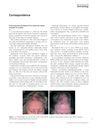 12 citations
,
November 2011 in “International Journal of Dermatology”
12 citations
,
November 2011 in “International Journal of Dermatology” A woman developed a scalp condition from using minoxidil, which improved with a different treatment but left scarring.
September 2019 in “Zagazig university medical journal” Minoxidil helps hair growth but has side effects.
 1 citations
,
September 2023 in “Journal of The American Academy of Dermatology”
1 citations
,
September 2023 in “Journal of The American Academy of Dermatology” Low dose oral minoxidil can help with hair loss when used alone.
 4 citations
,
December 2017 in “PubMed”
4 citations
,
December 2017 in “PubMed” Minoxidil may help treat hair loss by reducing the activity of a specific enzyme linked to baldness.
 6 citations
,
January 2017 in “Annals of Dermatology”
6 citations
,
January 2017 in “Annals of Dermatology” Combination of 17α-estradiol and minoxidil improves hair growth and reduces hair loss in most patients.
 34 citations
,
April 2009 in “Skin Pharmacology and Physiology”
34 citations
,
April 2009 in “Skin Pharmacology and Physiology” Minoxidil affects cell growth in two ways: low doses increase growth, while high doses slow it down and can be toxic.
 November 1991 in “PubMed”
 Minoxidil, a topical solution, was found to slow balding in most cases and increase hair density in some, but only a few saw significant cosmetic improvement.
 January 2025 in “JAAD International”
 Bicalutamide added no extra benefit over minoxidil alone for female-pattern hair loss.
January 2025 in “Global Journal of Medical Therapeutics” Minoxidil can cause allergic skin reactions, especially in those with underlying health issues.
December 2022 in “Archives of Dermatological Research” Adding cetirizine to minoxidil improves hair growth and thickness in women with androgenetic alopecia.
 January 2021 in “Social Science Research Network”
 The new treatment using tiny lipid carriers to deliver minoxidil and latanoprost directly to hair follicles shows promise for alopecia.
 5 citations
,
November 1999 in “Medical Hypotheses”
5 citations
,
November 1999 in “Medical Hypotheses” Minoxidil, a common hair loss treatment, might work by counteracting a hormone that reduces hair growth and promotes hair loss.
 36 citations
,
September 2018 in “American Journal of Clinical Dermatology”
36 citations
,
September 2018 in “American Journal of Clinical Dermatology” Combination of 0.25% finasteride and 3% minoxidil works better than just 3% minoxidil for increasing hair thickness in women.
 14 citations
,
July 1987 in “Contact Dermatitis”
14 citations
,
July 1987 in “Contact Dermatitis” A small percentage of minoxidil users may develop an allergic skin reaction.
 43 citations
,
July 2018 in “Journal of The European Academy of Dermatology and Venereology”
43 citations
,
July 2018 in “Journal of The European Academy of Dermatology and Venereology” Finasteride and minoxidil mix works better for hair growth than minoxidil alone, with similar safety.
7 citations
,
August 2024 in “JAAD reviews.” Minoxidil can cause unwanted hair growth, so personalized care and support are important.
 November 2024 in “RECIMA21 - Revista Científica Multidisciplinar - ISSN 2675-6218”
 Minoxidil is a safe and effective hair loss treatment, with pharmacists enhancing its benefits.
 32 citations
,
January 2019 in “American Journal of Clinical Dermatology”
32 citations
,
January 2019 in “American Journal of Clinical Dermatology” Minoxidil helps treat eyebrow thinning, monilethrix, early hair loss, and shortens chemo-related hair loss.

Low-dose oral minoxidil is safe and effective for treating hair loss, with most side effects being mild and reversible.
 November 2019 in “Actas Dermo-Sifiliográficas”
 Oral minoxidil helps treat hair loss and has reversible side effects.
4 citations
,
January 1983 in “PubMed” Minoxidil can regrow hair, but cyproterone acetate doesn't help when used together.
 May 2024 in “Clinical, cosmetic and investigational dermatology”
 5% topical minoxidil effectively treated a boy's congenital triangular alopecia without side effects.
 6 citations
,
October 2012 in “PubMed”
6 citations
,
October 2012 in “PubMed” The combined treatment of 3% minoxidil and 0.1% finasteride is more effective in improving hair loss than 3% minoxidil alone, with similar side effects.

More minoxidil applied topically leads to better hair growth in male pattern baldness.
13 citations
,
May 1987 in “PubMed” Topical minoxidil can help regrow hair with regular use, but results vary and side effects may occur.
 December 2023 in “Farmateka”
 Minoxidil is an effective and safe treatment for common hair loss when applied to the skin, but more research is needed for optimal use.