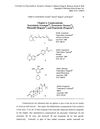
Isotretinoin and tazarotene help treat acne, while minoxidil and finasteride promote hair growth.
 19 citations
,
June 2020 in “International Journal of Dermatology”
19 citations
,
June 2020 in “International Journal of Dermatology” Low-dose oral minoxidil effectively treats non-scarring hair loss with some side effects like hypertrichosis and postural hypotension.
 34 citations
,
September 1985 in “Contact Dermatitis”
34 citations
,
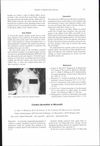
September 1985 in “Contact Dermatitis” Minoxidil can cause skin irritation like eczema and rash in some users.
 56 citations
,
August 1981 in “Journal of The American Academy of Dermatology”
56 citations
,
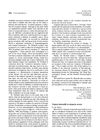
August 1981 in “Journal of The American Academy of Dermatology” Minoxidil helps hair regrowth in alopecia areata safely.
 23 citations
,
January 2011 in “International Journal of Immunopathology and Pharmacology”
23 citations
,
January 2011 in “International Journal of Immunopathology and Pharmacology” Minoxidil 2% effectively treats Monilethrix without side effects.
 36 citations
,
June 1990 in “Archives of Dermatology”
36 citations
,
June 1990 in “Archives of Dermatology” Using minoxidil and anthralin together can improve hair regrowth in severe alopecia areata patients who didn't respond to individual treatments.
1 citations
,
October 2024 in “JACC Case Reports” Minoxidil can cause heart inflammation, so users should be monitored.
March 2023 in “Медицинский совет” Minoxidil works better for hair regrowth if you have higher SULT1A1 enzyme activity and ATP concentration.
 1 citations
,
May 2007 in “International Journal of Dermatology”
1 citations
,
May 2007 in “International Journal of Dermatology” Minoxidil, when applied to the scalp, can stimulate hair growth but effects vary, stop if treatment ends, and it may cause side effects like fluid retention.
 32 citations
,
March 1987 in “Journal of The American Academy of Dermatology”
32 citations
,
March 1987 in “Journal of The American Academy of Dermatology” Using minoxidil on balding men's scalps can increase hair growth, according to a 12-month study.
January 2002 in “Journal of Clinical Dermatology” Minoxidil boosts hair growth at low doses but slows it at high doses.
 1 citations
,
April 2019 in “Journal of Investigative Dermatology”
1 citations
,
April 2019 in “Journal of Investigative Dermatology” Oral minoxidil can potentially increase hair growth in people suffering from Central Centrifugal Cicatricial Alopecia.
 17 citations
,
November 2002 in “Australasian Journal of Dermatology”
17 citations
,
November 2002 in “Australasian Journal of Dermatology” Saw palmetto causes allergic reaction, minoxidil causes skin irritation; use cautiously for hair loss.
 October 2016 in “International journal of medical research and review”
 Minoxidil, a hair loss treatment, may cause acne-like skin eruptions.
 September 2024 in “Journal of the American Academy of Dermatology”
 Low-dose oral minoxidil helps hair regrowth in COVID-19-related hair loss with few side effects.
 37 citations
,
May 2016 in “JAAD case reports”
37 citations
,
May 2016 in “JAAD case reports” Oral minoxidil shows promise in treating monilethrix-related hair loss.
 142 citations
,
August 2007 in “Journal of The American Academy of Dermatology”
142 citations
,
August 2007 in “Journal of The American Academy of Dermatology” New 5% minoxidil foam effectively promotes hair growth and is safe for use.
 39 citations
,
March 1987 in “Journal of The American Academy of Dermatology”
39 citations
,
March 1987 in “Journal of The American Academy of Dermatology” Topical minoxidil is a safe and effective treatment for hair loss caused by androgenetic alopecia.
 102 citations
,
September 1977 in “The Lancet”
102 citations
,
September 1977 in “The Lancet” Minoxidil with propranolol and diuretics lowers blood pressure but causes fluid retention and hair growth.
June 2026 in “Skin Appendage Disorders” Tretinoin may help some who don't respond to minoxidil alone, but it's not a first choice due to possible irritation.
February 2023 in “Reactions Weekly” 11 citations
,
July 2010 in “Dermatitis” Patch testing helps find allergens in minoxidil treatments, but doesn't ensure alternatives will be tolerated.
2 citations
,
December 2024 in “Journal of the American Academy of Dermatology” Low-dose oral minoxidil combined with topical minoxidil improves hair density in breast cancer patients but may cause excess hair growth.
 1 citations
,
January 2018 in “International Journal of Research in Dermatology”
1 citations
,
January 2018 in “International Journal of Research in Dermatology” Adding finasteride to minoxidil solution for hair loss treatment didn't show extra benefits, just increased cost and fear of side effects.
 2 citations
,
December 2019 in “ABCS Health Sciences”
2 citations
,
December 2019 in “ABCS Health Sciences” Topical Minoxidil effectively and safely regrows hair in cancer patients.
1 citations
,
December 1995 in “Archives of Dermatology” The combination of topical minoxidil and oral finasteride improved hair regrowth in a man with advanced hair loss.
 16 citations
,
April 1984 in “Archives of Dermatology”
16 citations
,
April 1984 in “Archives of Dermatology” Topical minoxidil can help hair regrowth in alopecia areata patients, but maintaining the growth after stopping treatment is inconsistent.
 43 citations
,
November 1992 in “International Journal of Dermatology”
43 citations
,
November 1992 in “International Journal of Dermatology” Minoxidil 2% effectively treats female hair loss, promoting growth and density.
August 2025 in “Evidence-Based Practice”  January 2022 in “Przegla̧d dermatologiczny”
 Minoxidil, a medicine initially for high blood pressure, can stimulate hair growth and is promising for treating hair loss, but it may cause side effects like itching and dizziness.