 April 2024 in “Journal of cosmetic dermatology”
 Minoxidil is less effective on eyebrows and eyelashes than scalp hair because these areas have lower enzyme activity needed to activate the drug.
 July 2025 in “The Journal of Dermatology”
 5% topical minoxidil may help reduce hair loss and increase hair growth in telogen effluvium.
December 2022 in “PubMed”  February 2023 in “International Journal of Pharmaceutics”
 A new version of minoxidil, a hair loss treatment, was made using nanotechnology. This version, called minoxidil cubosomes, works better and causes fewer skin reactions than the old version. It also penetrates and stays in the skin better, promoting hair regrowth. It's safe and could be a good alternative to current treatments.
 September 2025 in “Journal of the American Academy of Dermatology”
 Low-dose oral minoxidil may be a promising alternative to topical minoxidil for hair loss.
3 citations
,
January 1990 in “DICP” Minoxidil and tretinoin together may help hair growth but need more research.
January 2012 in “Sichuan Medical Journal” 2% minoxidil effectively increases hair count in women with androgenetic alopecia without severe side effects.
December 2016 in “Journal of Pakistan Association of Dermatology” Systemic cyproterone acetate and 5% topical minoxidil are effective and safe for treating female pattern hair loss.
 19 citations
,
May 1979 in “Archives of internal medicine”
19 citations
,
May 1979 in “Archives of internal medicine” Minoxidil effectively lowers blood pressure and initially increases plasma renin activity without raising aldosterone levels.
3 citations
,
July 1988 in “International Journal of Dermatology” Minoxidil is safe and effective for treating early male pattern baldness.
 July 1989 in “British Journal of Dermatology”
 Minoxidil helps increase hair growth and density in people with hair loss, with higher concentrations giving better results.
 9 citations
,
January 1992 in “Contact Dermatitis”
9 citations
,
January 1992 in “Contact Dermatitis” Some people using minoxidil for hair loss developed an allergic skin reaction, often related to an ingredient that helps minoxidil work better.
 80 citations
,
September 1984 in “Journal of The American Academy of Dermatology”
80 citations
,
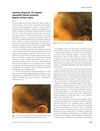
September 1984 in “Journal of The American Academy of Dermatology” 5% minoxidil helps hair regrowth in androgenic alopecia.
 40 citations
,
December 2006 in “Journal of The European Academy of Dermatology and Venereology”
40 citations
,
December 2006 in “Journal of The European Academy of Dermatology and Venereology” Minoxidil helps hair regrowth in traction alopecia.
 August 2022 in “Yakugaku zasshi”
 Using a steam towel, l-menthol, and carpronium before applying minoxidil nanoparticles can increase its absorption and potentially improve hair growth.
January 2018 in “Surgical and Cosmetic Dermatology” Latanoprost and minoxidil effectively control hair loss and increase hair count.
September 1994 in “International Society of Hair Restoration Surgery” Combining Finasteride and Minoxidil leads to impressive hair growth.
 24 citations
,
February 1987 in “Drugs”
24 citations
,
February 1987 in “Drugs” Minoxidil promotes hair regrowth, but more research needed for effectiveness and response factors.

Minoxidil effectively treats hair loss.
 1 citations
,
February 2019 in “PubMed”
1 citations
,
February 2019 in “PubMed” Minoxidil is effective in treating various types of hair loss and can improve quality of life, with combination therapies showing increased effectiveness.
March 1983 in “International Journal of Dermatology” Minoxidil can cause excessive hair growth.
2 citations
,
September 2024 in “Journal of Dermatological Treatment” Combining compound glycyrrhizin with minoxidil is more effective for alopecia areata than minoxidil alone.
17 citations
,
July 1988 in “International Journal of Dermatology” The 2% minoxidil solution is safe and effective for early male pattern baldness.
 July 1995 in “Journal of Dermatological Science”
 Cyclosporine starts hair growth faster, while minoxidil makes it last longer.
 September 2023 in “Медицинский совет”
 Minoxidil effectively treats stress-induced non-scarring hair loss.
 November 2013 in “Journal of Mazandaran University of Medical Sciences”
 Minoxidil with caffeine works better for hair loss than minoxidil alone.
 39 citations
,
April 2010 in “International Journal of Pharmaceutics”
39 citations
,
April 2010 in “International Journal of Pharmaceutics” Nanoparticles improve minoxidil skin permeation, but more research needed for effective hair growth.
September 2022 in “Research Square (Research Square)” 5% topical minoxidil improves hair density and quality in monilethrix patients.
January 2025 in “Mansoura Medical Journal” Minoxidil is more effective than cetirizine for treating male hair loss.