69 citations
,
January 2009 in “Advances in Materials Science and Engineering” Wool keratin is reactive, biocompatible, biodegradable, and can model keratin from other sources.
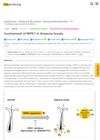
RIPK1 inhibitors might help prevent alopecia areata.
 April 2016 in “Journal of Investigative Dermatology”
 A peptide known for reducing wrinkles also effectively inhibits an enzyme linked to skin inflammation and acne.
 4 citations
,
January 2001 in “Archives of Biochemistry and Biophysics”
4 citations
,
January 2001 in “Archives of Biochemistry and Biophysics” Activated ras can protect kidney cells from a certain substance that causes cell death.
 February 2025 in “International Journal of Molecular Sciences”
 RIPK1 inhibitors may help prevent alopecia areata by reducing immune cell activity.
2-Hydroxy-1,4-naphthoquinone is a strong 5α-reductase inhibitor.
11 citations
,
July 2022 in “Frontiers in Immunology” Four specific genes are linked to keloid formation and could be potential treatment targets.
October 2025 in “International Journal of Dermatology” JAK inhibitors may help treat certain types of hair loss, but more research is needed.
39 citations
,
December 1998 in “Journal of Cell Science” The LEF-1 binding site enhances gene expression in hair follicles, with other proteins aiding specific regulation.
 2 citations
,
January 2001 in “Biomedical Research”
2 citations
,
January 2001 in “Biomedical Research” Trichohyalin and peptidylarginine deiminase type III are found together in rat hair follicles, with trichohyalin being modified after expression.
 9 citations
,
January 2006 in “Cutaneous and ocular toxicology”
9 citations
,
January 2006 in “Cutaneous and ocular toxicology” L-cystine, D-pantothenat, and miliacin together significantly boost keratinocyte growth and metabolism.
November 2015 in “Journal of the Korea Academia-Industrial cooperation Society” The new assay can help develop products for hair re-growth.
 May 2017 in “Journal of The American Academy of Dermatology”
 PLAU and SerpinB2 affect cell death differently in various forms of leprosy and could be targets for new treatments.
6 citations
,
January 2006 in “Journal of dermatological science” Runx1 helps control the KAP5 gene in human hair follicles.
December 2015 in “OPAL (Open@LaTrobe) (La Trobe University)” Oleuropein increases IGF-1 levels in mouse skin.
1 citations
,
April 1998 in “PubMed” Nexin 1 helps control hair growth in young rats.
43 citations
,
May 1999 in “Journal of Biological Chemistry” Agouti protein affects melanocortin receptors through competitive antagonism and receptor down-regulation.
35 citations
,
January 2006 in “Cancer Research” Mice with extra PKCδ resist chemical-induced skin cancer but not UV-induced.
July 2025 in “Journal of Investigative Dermatology” 94 citations
,
October 1994 in “The Journal of Cell Biology” Too much keratin 16 in mice skin causes abnormal skin thickening and structure.
April 2025 in “Acta Dermato Venereologica” Janus Kinase inhibitors are effective and safe for treating alopecia areata, but more research is needed.
 2 citations
,
August 2019 in “PubMed”
2 citations
,
August 2019 in “PubMed” A specific enzyme that activates the hair growth medication minoxidil when applied to the skin was identified.
1 citations
,
June 2014 in “[Thesis]. Manchester, UK: The University of Manchester; 2014.” Chemical modifications can alter hair's stability and flexibility, with hydrophobic interactions helping maintain structure in humid conditions.
September 2019 in “The journal of investigative dermatology/Journal of investigative dermatology” Certain proteins are significantly increased in the skin of people with hidradenitis suppurativa.
22 citations
,
June 1994 in “Journal of Investigative Dermatology” 52 citations
,
September 2014 in “Nature medicine” JAK inhibitors might help treat alopecia areata.
33 citations
,
April 2003 in “Oncogene” March 1998 in “Journal of Dermatological Science” Keratin-associated proteins may have roles in various mouse tissues, not just hair.
8 citations
,
June 1981 in “Clinica Chimica Acta”  2 citations
,
January 2004 in “Sen i Gakkaishi”
2 citations
,
January 2004 in “Sen i Gakkaishi” Human hair and nail proteins are unlikely to cause allergic reactions.