
Compounded topical minoxidil works better and is more tolerated than over-the-counter minoxidil for treating hair loss in Black women.
10 citations
,
March 2004 in “Journal of the American Academy of Dermatology” The 5% minoxidil solution effectively treated hair loss with good tolerability.
 20 citations
,
January 2013 in “Annals of Dermatology”
20 citations
,
January 2013 in “Annals of Dermatology” Topical minoxidil successfully treated temporal triangular alopecia.
March 2024 in “Journal of the American Academy of Dermatology” Minoxidil helps hair grow and stand up.
 2 citations
,
November 2009 in “Korean journal of chemical engineering”
2 citations
,
November 2009 in “Korean journal of chemical engineering” Adding Brij 78 to minoxidil microparticles in a certain solution helps them stick to the skin better and prevents clumping.
July 2025 in “Skin Health and Disease” PRP is a good alternative or addition to minoxidil for treating hair loss.
 July 2026 in “European Journal of Plastic Surgery”
 Needle-free minoxidil delivery improves hair growth more than topical minoxidil alone in women.
4 citations
,
October 2021 in “Journal of The European Academy of Dermatology and Venereology” Low-dose oral minoxidil increases hair density and thickness in people with hair loss.
 33 citations
,
May 1991 in “British Journal of Pharmacology”
33 citations
,
May 1991 in “British Journal of Pharmacology” Cromakalim relaxes various blood vessels, while minoxidil sulphate is more selective; they likely act on different potassium channels.
 12 citations
,
June 2017 in “Cell Cycle”
12 citations
,
June 2017 in “Cell Cycle” Minoxidil foam helps hair growth by increasing good proteins and decreasing bad pathways in men with hair loss.
 February 2022 in “Programa de Iniciação Científica - PIC/UniCEUB”
 Both Minoxidil and PRP are effective for male pattern baldness treatment.
March 2021 in “Postepy Dermatologii I Alergologii” Minoxidil works equally well for hair growth regardless of scalp blood flow.
 September 2025 in “Journal of the American Academy of Dermatology”
 Low-dose oral minoxidil does not significantly affect blood pressure in patients with hair loss and hypertension.

Monthly PRP therapy is more effective than daily minoxidil for alopecia areata.
 February 2022 in “Journal of Cosmetic Dermatology”
 Using both minoxidil and flutamide together is more effective for treating hair loss than using minoxidil alone.

Topical minoxidil significantly boosts nail growth and is safe.
1 citations
,
June 2021 in “International journal of pharmaceutical compounding” Minoxidil in FOAMIL is stable for at least 180 days at various concentrations.

Topical minoxidil significantly boosts nail growth and is safe.
 August 2023 in “Dermatology Reports”
 Minoxidil, a common hair treatment, may cause hair to turn grey or change color, especially with long-term use or if you have a family history of grey hair.
 96 citations
,
October 1981 in “Drugs”
96 citations
,
October 1981 in “Drugs” Minoxidil effectively treats severe hypertension but may cause side effects, so careful monitoring is needed.
 7 citations
,
September 2020 in “Journal of The American Academy of Dermatology”
7 citations
,
September 2020 in “Journal of The American Academy of Dermatology” Low-dose oral minoxidil for hair loss can cause mild excessive hair growth, usually appearing within the first 3 months, but it can be managed by adjusting the dose or removing the unwanted hair, with most people not needing to stop the treatment.
 35 citations
,
August 1980 in “Circulation”
35 citations
,
August 1980 in “Circulation” Minoxidil may cause heart issues in animals and humans.
 29 citations
,
August 1985 in “Contact Dermatitis”
29 citations
,
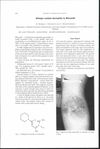
August 1985 in “Contact Dermatitis” Minoxidil can cause allergic reactions like burning, itching, and red bumps.
 January 2020 in “El-Minia Medical Bulletin”
 Minoxidil is effective in treating traction alopecia.
January 2026 in “British Journal of Dermatology” Combined microneedling with minoxidil improves hair growth more than minoxidil alone for hair loss.
 2 citations
,
August 2019 in “Turkish Journal of Chemistry”
2 citations
,
August 2019 in “Turkish Journal of Chemistry” Researchers made minoxidil efficiently using cobalt ferrite nanoparticles as a reusable catalyst.
 22 citations
,
May 2013 in “Experimental and Therapeutic Medicine”
22 citations
,
May 2013 in “Experimental and Therapeutic Medicine” Minoxidil improves quality of life for women with hair loss.
 22 citations
,
October 2019 in “Dermatologic Surgery”
22 citations
,
October 2019 in “Dermatologic Surgery” Both Platelet-Rich Plasma and Minoxidil foam increase hair count in women with hair loss, but Minoxidil is more effective. However, women were more satisfied with Platelet-Rich Plasma treatment.
 February 2026 in “Drug Delivery and Translational Research”
 Chitosan-coated nanocapsules improve minoxidil delivery for better hair regrowth.