 October 2023 in “Faculty Opinions – Post-Publication Peer Review of the Biomedical Literature”
 Using both minoxidil and finasteride together on the scalp works better for male hair loss than using either one alone.
The combination of minoxidil, microneedling, and PRP is more effective for hair growth than minoxidil alone.
 57 citations
,
July 1987 in “Journal of The American Academy of Dermatology”
57 citations
,
July 1987 in “Journal of The American Academy of Dermatology” Stopping minoxidil treatment resumes balding; continuous use needed for results.
 2 citations
,
January 2012 in “Hair therapy & transplantation”
2 citations
,
January 2012 in “Hair therapy & transplantation” DDAIP-HCl significantly increases minoxidil absorption into the skin.
 November 2024 in “Journal of Drugs in Dermatology”
 Injectable minoxidil is a promising, effective treatment for hair loss.
1 citations
,
March 2000 in “CRC Press eBooks”  January 2025 in “Acta Dermatovenerologica Alpina Pannonica et Adriatica”
 Oral minoxidil boosts hair growth and reduces shedding in androgenetic alopecia.
July 2025 in “Journal of Investigative Dermatology” Low-dose oral minoxidil is safe for the heart in the short term for hair loss patients.
 January 2014 in “Anales Médicos de la Asociación Médica del Centro Médico ABC”
 The treatment effectively promoted hair growth with minimal side effects.
4 citations
,
March 1991 in “Dermatitis” Minoxidil can cause skin reactions, so testing is important for those with side effects.
16 citations
,
July 1994 in “Journal of Dermatological Science” Minoxidil sulfate and pinacidil may promote hair growth through increased blood flow, not by activating potassium channels.
 28 citations
,
May 1994 in “The Journal of Urology”
28 citations
,
May 1994 in “The Journal of Urology” Topical minoxidil not effective for erectile dysfunction treatment.
 17 citations
,
April 2002 in “Contact Dermatitis”
17 citations
,
April 2002 in “Contact Dermatitis” Minoxidil 5% caused skin discoloration in a man using it for hair loss.
 June 2026 in “Current Issues in Molecular Biology”
 Minoxidil is more effective than the botanical extract for hair loss, but the extract shows potential as an alternative.
Culturing hair follicles at the air-liquid interface with minoxidil significantly boosts hair growth and preserves the root sheath.
 32 citations
,
March 2013 in “Journal of Pharmaceutical Sciences”
32 citations
,
March 2013 in “Journal of Pharmaceutical Sciences” Iontophoresis improves minoxidil delivery for alopecia treatment.
January 2009 in “Gynäkologische Endokrinologie” Minoxidil solution can effectively treat hair thinning in women.
 16 citations
,
May 2020 in “Journal of The European Academy of Dermatology and Venereology”
16 citations
,
May 2020 in “Journal of The European Academy of Dermatology and Venereology” Sublingual minoxidil effectively treats hair loss with mild side effects.
 1 citations
,
May 2022 in “Revista Contemporânea”
1 citations
,
May 2022 in “Revista Contemporânea” Combining two treatments for hair loss works better than using just one.
 January 2025 in “Journal of Drugs in Dermatology”
 Oral minoxidil is easier to use and more satisfying for hair loss treatment than topical minoxidil.
 June 2023 in “Skin Research and Technology”
 Using platelet-rich plasma injections and 5% minoxidil topically can safely and effectively treat mild-to-moderate male pattern baldness.
 26 citations
,
June 2011 in “International Journal of Pharmaceutics”
26 citations
,
June 2011 in “International Journal of Pharmaceutics” SLN suspensions work as well as commercial solutions for minoxidil delivery, but are non-corrosive, making them a promising alternative.
July 2026 in “Experimental Dermatology” Minoxidil sulfate helps hair regrowth in alopecia areata by enhancing anti-inflammatory effects and reducing mitochondrial stress.
 August 2023 in “Drug Design Development and Therapy”
 Minoxidil may work for hair loss by reducing androgen sensitivity and altering hormone-related enzymes.
 29 citations
,
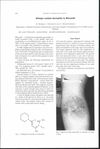
August 1985 in “Contact Dermatitis”
29 citations
,
August 1985 in “Contact Dermatitis” Minoxidil can cause allergic reactions like burning, itching, and red bumps.
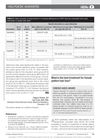 December 2018 in “Evidence-Based Practice”
 Topical minoxidil 1% and 2% are twice as effective as placebo for female pattern hair loss.
Low-dose oral minoxidil effectively treats hair loss with good tolerance.
 June 2024 in “Archives of dermatological research”
 Both treatments work, but Minoxidil 0.5% MMP® is better for certain scalp areas and less advanced hair loss.
 46 citations
,
January 1991 in “Journal of Investigative Dermatology”
46 citations
,
January 1991 in “Journal of Investigative Dermatology” Minoxidil works in liver and outer hair root sheath for hair growth.
 August 2024 in “Skin Research and Technology”
 Low-dose oral minoxidil can help increase hair growth in women with hair loss.