
Topical minoxidil was effective in promoting hair growth for male pattern baldness.
 2 citations
,
July 2020 in “Giornale italiano di dermatologia e venereologia”
2 citations
,
July 2020 in “Giornale italiano di dermatologia e venereologia” A woman with frontal fibrosing alopecia experienced unusual hair growth after using a specific topical lotion.
July 2026 in “Journal of Drug Delivery Science and Technology”  January 2011 in “Reactions Weekly”
 Long-term use of minoxidil may cause hair follicles to transform into noticeable terminal hairs, leading to trichostasis spinulosa.
 34 citations
,
February 1999 in “Journal of Dermatological Science”
34 citations
,
February 1999 in “Journal of Dermatological Science” Minoxidil boosts enzymes that help hair growth.
January 2017 in “Zenodo (CERN European Organization for Nuclear Research)” The minoxidil emulgel is feasible and may be more effective for treating male pattern baldness.
 November 2013 in “Journal of Mazandaran University of Medical Sciences”
 Minoxidil with caffeine works better for hair loss than minoxidil alone.

Low-dose oral minoxidil is effective and generally safe for treating hair loss in women.
 May 2026 in “Journal of the American Academy of Dermatology”
 Sublingual minoxidil safely increases hair growth in transgender people on testosterone therapy.
April 2023 in “Klinicheskaya dermatologiya i venerologiya” Oral Minoxidil may be better for hair growth than topical, but its long-term safety is unclear.
 46 citations
,
April 1977 in “Southern Medical Journal”
46 citations
,
April 1977 in “Southern Medical Journal” Minoxidil causes excessive hair growth, but depilatory agent removes it safely and effectively.
 August 2023 in “Journal of The American Academy of Dermatology”
 Low-dose oral minoxidil is safe for treating hair loss, especially in women, with side effects stopping after use ends.
December 2021 in “Cureus” Minoxidil alone is the most cost-effective treatment for male hair loss at a $50,000 threshold.
 1 citations
,
April 2017 in “Journal of Investigative Dermatology”
1 citations
,
April 2017 in “Journal of Investigative Dermatology” Higher minoxidil dose helps hair growth in non-responders without side effects.
 June 1996 in “Archives of Dermatology”
 Using a mix of finasteride and minoxidil can significantly regrow hair in men with pattern baldness.
May 2021 in “Faculty Opinions – Post-Publication Peer Review of the Biomedical Literature” July 2021 in “Faculty Opinions – Post-Publication Peer Review of the Biomedical Literature” August 2019 in “Journal of the American Academy of Dermatology” The shampoo helps reduce hair loss and improves Minoxidil® absorption.
 1 citations
,
July 2023 in “International Journal of Biological Macromolecules”
1 citations
,
July 2023 in “International Journal of Biological Macromolecules” The study created a new hair loss treatment paste that regrows hair faster and with fewer side effects than minoxidil alone.
 34 citations
,
February 1992 in “The Journal of Clinical Endocrinology and Metabolism”
34 citations
,
February 1992 in “The Journal of Clinical Endocrinology and Metabolism” Finasteride and minoxidil together promote hair growth better than either alone.
 August 2021 in “Research, Society and Development”
 Minoxidil slightly increased hair volume more than Finasterida, but both reduced hair loss similarly.
 2 citations
,
March 2021 in “Journal of Cosmetic Dermatology”
2 citations
,
March 2021 in “Journal of Cosmetic Dermatology” Combining platelet-rich plasma therapy with low dose oral minoxidil improved hair growth in men with hair loss, with slightly higher satisfaction at the higher minoxidil dose.
 34 citations
,
September 1985 in “Contact Dermatitis”
34 citations
,
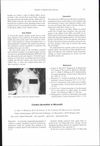
September 1985 in “Contact Dermatitis” Minoxidil can cause skin irritation like eczema and rash in some users.
7 citations
,
August 2024 in “JAAD reviews.” Minoxidil can cause unwanted hair growth, so personalized care and support are important.
 February 2022 in “Programa de Iniciação Científica - PIC/UniCEUB - Relatórios de Pesquisa”
 PRP is more effective than Minoxidil for reducing hair loss and promoting hair growth.
 6 citations
,
September 1988 in “Drug intelligence & clinical pharmacy”
6 citations
,
September 1988 in “Drug intelligence & clinical pharmacy” Minoxidil caused a severe rash in a patient, which improved after stopping the drug.
January 2022 in “Indian journal of drugs in dermatology” Oral minoxidil helps with hair growth but needs more research to fully understand its effectiveness and safety.
 August 1986 in “Journal of The American Academy of Dermatology”
 Minoxidil showed a 30% success rate for hair growth in a study, and various skin treatments were effective, but some had limitations or side effects.
 19 citations
,
January 1987 in “Dermatology”
19 citations
,
January 1987 in “Dermatology” Minoxidil slows down skin cell growth and may help treat scars and skin conditions.
The combination of minoxidil, microneedling, and PRP is more effective for hair growth than minoxidil alone.