 6 citations
,
May 2020 in “Nutrients”
6 citations
,
May 2020 in “Nutrients” Eating fewer calories may slow skin aging and improve skin health through various biological changes.
62 citations
,
December 2007 in “Journal of Cellular and Molecular Medicine” Kremen is crucial for proper development and preventing tumors by regulating Wnt signaling.
January 2026 in “Journal of Cosmetic Dermatology” Menopause reduces skin fat, but treatments like magnolol and PLLA-SCA can help restore skin health.
441 citations
,
May 1996 in “Journal of Cell Science” Keratin 19 helps identify skin stem cells, with its presence varying by body location, age, and culture stage.
 1 citations
,
January 2024 in “Nature communications”
1 citations
,
January 2024 in “Nature communications” Activating TLR5 in the gut can extend lifespan and improve health in aged mice.
 237 citations
,
February 2016 in “Science Translational Medicine”
237 citations
,
February 2016 in “Science Translational Medicine” The timing of when the gene Bmal1 is active affects aging and survival, with its absence during development, not adulthood, leading to premature aging.
 5 citations
,
August 2013 in “InTech eBooks”
5 citations
,
August 2013 in “InTech eBooks” KLF4 is important for maintaining stem cells and has potential in cancer treatment and wound healing.
6 citations
,
October 2020 in “Frontiers in cell and developmental biology” WWOX deficiency in mice causes skin and fat tissue problems due to disrupted cell survival signals.
9 citations
,
March 2015 in “The journal of investigative dermatology/Journal of investigative dermatology” The symposium concluded that understanding the molecular mechanisms of skin aging could lead to better clinical practices and treatments.
July 2014 in “Planta Medica” Eclipta alba may help with antiaging by improving mitochondrial function.
 21 citations
,
November 2010 in “Journal of molecular medicine”
21 citations
,
November 2010 in “Journal of molecular medicine” FoxN1 gene is essential for proper thymus structure and preventing hair loss.
24 citations
,
June 2015 in “Journal of Investigative Dermatology” aPKCλ is crucial for keeping hair follicle stem cells inactive and maintaining normal hair growth.
 April 2015 in “Experimental Dermatology”
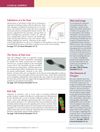
 Melanoma risk tools need improvement, certain gene mutations cause skin diseases and could be treated by targeting those mutations, skin wrinkling may relate to lung aging due to genetic factors, and oxidative stress affects hair loss but can be reduced in low oxygen.
 29 citations
,
June 2018 in “Scientific Reports”
29 citations
,
June 2018 in “Scientific Reports” 15-lipoxygenase helps keep skin healthy by reducing inflammation.
 April 2026 in “Scientific Reports”
 Capillary and dermal papilla interactions are vital for hair growth and aging, with potential for treating hair loss.
 4 citations
,
December 2020 in “Scientific Reports”
4 citations
,
December 2020 in “Scientific Reports” The plant extract mixture improves skin health by reducing inflammation, boosting collagen, and supporting anti-aging.
May 2026 in “Phytomedicine”  33 citations
,
March 2013 in “Journal of Investigative Dermatology”
33 citations
,
March 2013 in “Journal of Investigative Dermatology” Human hair follicle stem cells show signs of low oxygen levels, which may be important for hair growth and preventing baldness.
37 citations
,
January 2022 in “Frontiers in Genetics” Aging reduces dermal sheath cells, affecting youthful skin appearance.
27 citations
,
September 2013 in “The FASEB Journal” Losing Memo protein shortens lifespan and affects health.
 June 2026 in “Frontiers in Cell and Developmental Biology”
 LHX2 is crucial for development, tissue repair, and preventing diseases.
 January 2026 in “International Journal of Homoeopathic Sciences”
 Homeopathic treatment improved thyroid function and well-being in a woman with hypothyroidism.
57 citations
,
August 2002 in “American Journal Of Pathology” Cathepsin L deficiency causes hair and skin issues in mice.
July 2024 in “Journal of Investigative Dermatology” Reactive lipids from aging cells change the extracellular matrix, affecting cell function and inflammation.
24 citations
,
May 1985 in “The Journal of Clinical Endocrinology & Metabolism” A circulating inhibitor caused insulin resistance, but clomiphene improved symptoms.
January 2004 in “uO Research (University of Ottawa)” Claudin 6 is crucial for normal skin and hair development.
January 2019 in “Advances in stem cells and their niches” Krox20 is important for cell differentiation in the brain and hair follicles.
7 citations
,
March 2022 in “The FASEB journal” Adult mice with CBS deficiency show minimal health issues and normal lifespan despite high homocysteine levels.

TLR2 helps control hair growth and regeneration, and its reduction with age or obesity can impair hair growth.
 81 citations
,
November 2012 in “Journal of the National Cancer Institute”
81 citations
,
November 2012 in “Journal of the National Cancer Institute” The tumor suppressor gene FLCN affects mitochondrial function and energy use in cells.