July 2024 in “Journal of Investigative Dermatology” A KLK5 inhibitor effectively improved skin symptoms in a mouse model of Netherton Syndrome.
1 citations
,
September 2021 in “Frontiers in genetics” A genetic mutation in the DCAF17 gene caused Woodhouse-Sakati syndrome in a Chinese patient from a related family.
 57 citations
,
March 2024 in “Nano-Micro Letters”
57 citations
,
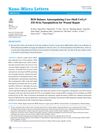
March 2024 in “Nano-Micro Letters” The nanoplatform helps heal wounds by balancing bacteria-killing and inflammation-reducing functions.
 15 citations
,
April 2001 in “Journal of Dermatological Science”
15 citations
,
April 2001 in “Journal of Dermatological Science” KF19418 promotes hair growth similarly to minoxidil but is not better in live mice.
July 2024 in “Journal of Investigative Dermatology” DS-2325a is safe and well-tolerated, supporting further development for Netherton Syndrome treatment.
 March 2026 in “Zenodo (CERN European Organization for Nuclear Research)”
 The N-K GM Series offers a new method to reduce aflatoxin poisoning and cancer, improving health and saving costs in affected regions.
 March 2026 in “Zenodo (CERN European Organization for Nuclear Research)”
 The N-K GM Series offers highly selective, eco-friendly medicines targeting harmful microbes, free for personal use.
 March 2026 in “Zenodo (CERN European Organization for Nuclear Research)”
 The N-K GM Series offers highly selective, eco-friendly antimicrobials free for everyone.
11 citations
,
March 2024 in “Current Issues in Molecular Biology” Ginsenoside compound K shows promise for treating metabolic diseases like diabetes and obesity.
7 citations
,
February 2011 in “Journal of dermatology” The 736T>A mutation in the LIPH gene is common in Japanese people with autosomal recessive woolly hair.
 January 2023 in “Fundamental toxicological sciences”
 Mozuku seaweed fucoidan can inhibit harmful skin bacteria growth.
 January 2025 in “Journal of Materials Chemistry B”
 The microneedle patch with CuxO nanozymes effectively promotes hair growth for treating hair loss.
 14 citations
,
August 2016 in “Journal of nanomedicine research”
14 citations
,
August 2016 in “Journal of nanomedicine research” Zinc oxide nanoparticle biscuits improved growth and health in zinc-deficient rats without toxicity.
4 citations
,
June 2022 in “ACS applied materials & interfaces” New wig coating technique makes them more durable, UV resistant, and less static.
A rare genetic mutation causes Woodhouse-Sakati syndrome symptoms.
 December 2025 in “Journal of Nanobiotechnology”
 The new microneedle system promotes hair growth by improving the hair follicle environment.
August 2023 in “Journal of Natural Remedies” Wakame and kombu seaweeds offer various health benefits like antioxidant and anticancer effects.
November 2006 in “評価・診断に関するシンポジウム講演論文集” KSR1 is crucial for certain skin tumor formation and could be a cancer therapy target.
44 citations
,
January 2021 in “Research” MCSA hydrogels can effectively treat melanoma and aid wound healing.

The GG genotype of the KRT71 gene leads to longer wool in Gansu alpine fine-wool sheep.
7 citations
,
March 2025 in “Cytotechnology”  January 2022 in “JPK Jurnal Proteksi Kesehatan”
 Mangkokan leaf extract is more effective against Staphylococcus aureus than Escherichia coli.
 March 2026 in “Zenodo (CERN European Organization for Nuclear Research)”
 The N-K GM Series offers a free, effective solution to eliminate aflatoxin and cancer, improving health and life expectancy.
 7 citations
,
January 2015 in “Case reports in genetics”
7 citations
,
January 2015 in “Case reports in genetics” Using SNP array testing helped quickly find the gene causing Woodhouse-Sakati syndrome in two related individuals.
11 citations
,
September 1996 in “Journal of applied polymer science” Potassium cyanide treatment changes hair's disulfide bonds, making it more elastic.
20 citations
,
January 2017 in “Genetica” The methylation of the HOXC8 gene's exon 1 affects cashmere fiber length in goats.
January 2011 in “Anhui nongye kexue” The vector successfully directed specific gene expression in hair follicles.
74 citations
,
February 2018 in “Journal of the American Academy of Dermatology” 5 citations
,
July 2014 in “Molecular Biology Reports”  24 citations
,
June 2020 in “Industrial Crops and Products”
24 citations
,
June 2020 in “Industrial Crops and Products” Activated carbon fibers from Metaplexis japonica seed hair are highly effective for removing the dye methylene blue from water.