 May 2026 in “Scientific Reports”
 Kukui nut oil helps hair and eyelash growth.
 January 2018 in “Springer eBooks”
 PDE inhibitors, especially PDE4 inhibitors like apremilast, are effective for certain inflammatory skin conditions but have side effects and can be costly.
10 citations
,
January 2004 in “Journal of Investigative Dermatology” Krt6a-Cre transgenic mice help study gene effects on hair follicle development and tumor suppression.

Deucravacitinib improves symptoms and reduces inflammation in Lichen Planopilaris.
December 2004 in “Annales d Urologie” Finasteride may reduce prostate cancer risk.
July 2024 in “Journal of Investigative Dermatology” A KLK5 inhibitor effectively improved skin symptoms in a mouse model of Netherton Syndrome.
 12 citations
,
August 2021 in “International Journal of Biological Macromolecules”
12 citations
,
August 2021 in “International Journal of Biological Macromolecules” Poria cocos polysaccharides and finasteride both help treat chronic nonbacterial prostatitis, but Poria cocos polysaccharides also improve gut health.
July 2023 in “Clinical Cosmetic and Investigational Dermatology” Accurate diagnosis of granular parakeratosis is crucial for effective treatment and improvement.
 58 citations
,
December 2012 in “Aaps Pharmscitech”
58 citations
,
December 2012 in “Aaps Pharmscitech” LCN may improve finasteride delivery for hair loss treatment.
2 citations
,
January 1999 in “Dermatology” September 2015 in “Photodiagnosis and Photodynamic Therapy”  April 2026 in “Open MIND”
 GLP-1 medications can cause skin and muscle issues, but treatments like ultrasound and PRP can help.
 5 citations
,
January 2021 in “iScience”
5 citations
,
January 2021 in “iScience” Using a combination of specific cell cycle regulators is better for safely keeping hair root cells alive indefinitely compared to cancer-related methods.
 May 2024 in “IP Journal of Nutrition Metabolism and Health Science”
 The educational program effectively improved knowledge about PCOS among adolescent girls.
 5 citations
,
July 2022 in “Orphanet journal of rare diseases”
5 citations
,
July 2022 in “Orphanet journal of rare diseases” RSPO1 mutations in certain patients lead to skin cells that don't develop properly and are more likely to become invasive, increasing the risk of skin cancer.
2 citations
,
May 2024 in “BMC Genomics” Certain genetic changes in the KRT82 gene may cause patchy skin in New Zealand rabbits.
July 2022 in “Journal of Investigative Dermatology” July 2024 in “Journal of Investigative Dermatology” PH-762 shows promise in treating skin cancer by effectively targeting and silencing PD-1 in tumors with minimal side effects.
 17 citations
,
November 2017 in “Asian-Australasian journal of animal sciences”
17 citations
,
November 2017 in “Asian-Australasian journal of animal sciences” Certain gene mutations are linked to wool quality in sheep and could help in breeding for better wool.
January 2008 in “xPharm: The Comprehensive Pharmacology Reference” 1 citations
,
January 2022 in “Journal of Cancer Therapy” Ocoxin improves quality of life for advanced ovarian cancer patients on chemotherapy.
1 citations
,
November 2024 in “EMBO Reports” Deleting Gpr54 speeds up hair growth and regeneration.
 8 citations
,
December 2009 in “Journal of The European Academy of Dermatology and Venereology”
8 citations
,
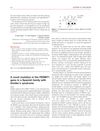
December 2009 in “Journal of The European Academy of Dermatology and Venereology” Researchers found a new mutation in the FERMT1 gene in a Spanish family with Kindler syndrome.
August 2025 in “Animal nutrition” α-Ketoglutaric acid improves hair growth, rabbit performance, and antioxidant levels.
June 2026 in “Journal of Integrated Science and Technology” PMOS requires a comprehensive, long-term approach beyond just ovarian symptoms.
 May 2026 in “Zenodo (CERN European Organization for Nuclear Research)”
 ONCO-NK-TRANSITION-GM1 is a low-cost, effective cancer treatment with a high cure rate and no severe side effects.
 May 2026 in “Zenodo (CERN European Organization for Nuclear Research)”
 ONCO-NK-TRANSITION-GM1 is a low-cost, effective cancer treatment with a high cure rate and no severe side effects.
 81 citations
,
February 2019 in “Experimental & Molecular Medicine”
81 citations
,
February 2019 in “Experimental & Molecular Medicine” PAK4 is crucial in cancer progression, brain development, and could be a therapeutic target, especially through the PAK4-CREB axis.
 2 citations
,
August 2013 in “British Journal of Dermatology”
2 citations
,
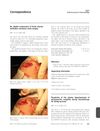
August 2013 in “British Journal of Dermatology” Chemotherapy improved a girl's painful foot condition linked to pachyonychia congenita.
30 citations
,
November 2020 in “Journal of Advanced Research” Conditioned medium from keratinocytes can improve hair growth potential in cultured dermal papilla cells.