Search
for
Sort by
Research
660-690 / 1000+ resultsresearch New approach to 3-oxo-4-aza-5α-androst-1-ene-17β-(--butylcarboxamide)
A new method was developed to make finasteride for treating hair loss.
research Oncogenic Kras induces spatiotemporally specific tissue deformation through converting pulsatile into sustained ERK activation
research 371 THE EFFECTIVENESS OF BIO-REGULATORY MAGNETO-LASER THERAPY OF CHRONIC PELVIC PAIN SYNDROME/CHRONIC PROSTATITIS IMA
research Comparative genomics of the keratin-associated protein (KAP) gene clusters in human, chimpanzee, and baboon
KAP genes are crucial for hair development and show both shared and unique traits in humans, chimpanzees, and baboons.
research Efficacy of 0.1% adapalene in a non-inflammatory Kyoto Rhino Rat acne model
Adapalene 0.1% effectively reduces acne by decreasing comedones and altering skin properties.
research Heterogeneity of ornithine decarboxylase expression in 12-O-tetradecanoylphorbol-13-acetate-treated mouse skin and in epidermal tumors
ODC expression in mouse skin and tumors is varied and can be inhibited by retinoic acid or cycloheximide.
research Promotion effect of acankoreoside J, a lupane-triterpene in Acanthopanax koreanum, on hair growth
Acankoreoside J from Acanthopanax koreanum may help promote hair growth.
research An animal study on the effectiveness of platelet-rich plasma as a direct pulp capping agent
Platelet-rich plasma is as effective as mineral trioxide aggregate for pulp capping and may offer better cellular responses.
research 470 Exploring the possible involvement of skin-resident memory T cells in refractory chronic alopecia areata
Chronic refractory alopecia areata has more skin-resident memory T cells, and JAK inhibitors may help reduce them.
research Efficacy and safety of the oral Janus kinase 3/tyrosine kinase expressed in hepatocellular carcinoma family kinase inhibitor ritlecitinib over 24 months: integrated analysis of the ALLEGRO phase IIb/III and long-term phase III clinical studies in alopecia areata
Ritlecitinib effectively treats alopecia areata and is safe for long-term use in people 12 and older.
research Acute And Sub Chronic Toxicity Of Tridax Procumbens In Experimental Animals
High doses of Tridax procumbens extract can be toxic, affecting liver and kidneys.
research A Case of Unexpected Successful Treatment of Alopecia Areata With Tralokinumab in a Patient With Atopic Dermatitis
Tralokinumab successfully treated alopecia areata in a patient with atopic dermatitis.
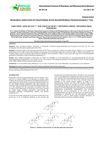
research MICROBIAL OXIDATION OF FINASTERIDE WITH MACROPHOMINA PHASEOLINA(KUCC 730)
research Dermatitis cruris pustulosa et atrophicans revisited: our experience with 37 patients in south India
DCPA is a chronic leg infection often related to Staphylococcus aureus, affecting mostly young men in India.

research Ritlecitinib for Severe Alopecia Areata: A 24-Week, Multicentre, Real-World Study
Ritlecitinib effectively regrows hair in severe alopecia areata, especially in adolescents.
research Efficacy of the phosphodiesterase-4 inhibitor, apremilast, in a patient with severe alopecia areata
The document did not conclude on apremilast's effectiveness for severe alopecia areata.
research Hair follicle stem cell proliferation, Akt and Wnt signaling activation in TPA-induced hair regeneration
TPA promotes hair growth by increasing stem cell activity and activating specific cell signals.
research Defective control of growth rate and cell diameter in tip-growing root hairs of therhd4mutant ofArabidopsis thaliana
The RHD4 gene is crucial for consistent root hair growth in Arabidopsis thaliana.

research Ppp2r2a Knockout Mice Reveal That Protein Phosphatase 2A Regulatory Subunit, PP2A-B55α, Is an Essential Regulator of Neuronal and Epidermal Embryonic Development
The PP2A-B55α protein is essential for brain and skin development in embryos.
research LOCAL IRRITANT AND SKIN RESORBING EFFECT OF ZINC HYDROCARBONATE NANOPARTICLES STABILIZED BY POLYVINYLPYRROLIDONE
Zinc carbonate nanoparticles are not irritating or absorbed by the skin.
research Dose-dependent and long term effects of RU58841 (androgen receptor blocker) on hair growth in the bald stumptailed Macaque.
RU58841, an androgen receptor blocker, significantly increased hair density, thickness, and length in monkeys when applied topically daily for several months.

research Self-assembled polymeric nanocarriers for the targeted delivery of retinoic acid to the hair follicle
The new micelle formulation delivers acne treatment more effectively and safely than current gels.
research 265 Modulation of disease-central cytokine pathways with TAK-279, a highly selective oral tyrosine kinase 2 (TYK2) inhibitor, defines clinical response in patients with psoriasis
TAK-279 effectively reduces psoriasis symptoms and is safe.
research The antiandrogen cyproterone acetate: discovery, chemistry, basic pharmacology, clinical use and tool in basic research*
research Ritlecitinib in Alopecia Areata: A 24‐Week Real‐World Experience Contrasting JAK Inhibitor‐Naïve and JAK Inhibitor‐Experienced Patients
Ritlecitinib effectively reduces hair loss in JAK inhibitor-naïve alopecia areata patients.
research Advancing Design Strategy of PROTACs for Cancer Therapy
PROTACs show promise for cancer treatment, but designing them effectively is challenging.
research Mitogen‐regulated protein/proliferin mRNA induction following single applications of tumor promoters to murine skin
mrp/plf-mRNA can indicate tumor-promoting effects in skin.
research A COMPARISON OF THE TOXICITIES OF 4-(ETHOXYCARBOPHENYL) RETINAMIDE AND SOME OTHER RETINOIDS
4-(Ethoxycarbophenyl) retinamide is much less toxic than other retinoids.