 April 2023 in “The journal of investigative dermatology/Journal of investigative dermatology”
 SETDB1 is essential for controlling DNA methylation, silencing retrotransposons, and maintaining skin cell health, with its absence leading to skin inflammation and hair loss.
 December 2014 in “Berkala Ilmu Kesehatan Kulit dan Kelamin”
 Griseofulvin effectively treats tinea capitis kerion type.
 10 citations
,
June 2014 in “Journal of Pharmacy and Pharmacology”
10 citations
,
June 2014 in “Journal of Pharmacy and Pharmacology” Germacrone in Curcuma aeruginosa extract degrades at high temperatures but is stable in certain solutions and unaffected by pH levels.
 29 citations
,
September 2024 in “AAPS PharmSciTech”
29 citations
,
September 2024 in “AAPS PharmSciTech” Transcutol® helps drugs penetrate the skin more effectively in various formulations.
 May 2020 in “Research Square (Research Square)”
 Stress hormone CRF causes hair loss and inhibits hair growth in human cells.
 November 2023 in “Advanced Science”
 A specific hair protein variant increases the spread of breast cancer and is linked to worse survival rates.
175 citations
,
December 1980 in “Archives of Dermatology” Trichothiodystrophy is a condition with brittle hair and various physical and mental issues due to low sulfur in proteins.
 146 citations
,
May 2002 in “The American journal of pathology”
146 citations
,
May 2002 in “The American journal of pathology” Cathepsin L is essential for normal hair growth and development.
 April 2025 in “Jurnal Multidisiplin Dehasen (MUDE)”
 The hair tonic with fragrant pandan leaf extract and VCO was mostly stable, except for the F3 formulation.
15 citations
,
July 2020 in “Applied Sciences” PRS injections can improve knee function and reduce pain for up to a year.
 January 2022 in “Journal of Orthopedic Practice”
 The modified skin board with channels improves skin graft knife performance.
1 citations
,
May 2024 in “Skin Appendage Disorders” Early diagnosis with trichoscopy can improve management and quality of life for CCCA patients.
25 citations
,
April 1972 in “American Journal of Clinical Nutrition” Hair chromium levels show past nutritional status, not environmental exposure.
53 citations
,
May 1988 in “Journal of Molecular Evolution”  1 citations
,
January 2020 in “Skin appendage disorders”
1 citations
,
January 2020 in “Skin appendage disorders” A family was found with both Trichorhinophalangeal syndrome and Loose Anagen Syndrome, suggesting a genetic connection.
January 2023 in “Brazilian Journals Editora eBooks” 17 citations
,
February 2015 in “Experimental Dermatology” Keratins are crucial for hair strength, and mutations in certain keratin genes cause hair disorders.
August 2015 in “Han'gug dongmul jawon gwahag hoeji/Han-guk dongmul jawon gwahak hoeji/Journal of animal science and technology” TRα and CRABPII genes change their activity levels during goat fetal skin development.
 8 citations
,
December 2009 in “Journal of The European Academy of Dermatology and Venereology”
8 citations
,
December 2009 in “Journal of The European Academy of Dermatology and Venereology” Researchers found a new mutation in the FERMT1 gene in a Spanish family with Kindler syndrome.
 10 citations
,
May 2017 in “CMAJ. Canadian Medical Association journal”
10 citations
,
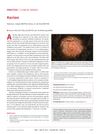
May 2017 in “CMAJ. Canadian Medical Association journal” The boy had a fungal scalp infection called kerion, which was cured with oral antifungal medication.
 December 2016 in “Springer eBooks”
 Chrousos Syndrome is caused by mutations that make the body less sensitive to glucocorticoids, leading to various symptoms and requiring high-dose treatment.
January 2013 in “Cahiers Pedagogiques” Calorie restriction boosts stem cell activity, improving tissue regeneration and lifespan.
 April 2017 in “Journal of Investigative Dermatology”
 Researchers created a skin graft that senses blood glucose and could treat diabetes using CRISPR-edited stem cells.
Halo KS-7 bacteriophage effectively kills drug-resistant Klebsiella pneumoniae and could help treat infections.
 January 2022 in “JPK Jurnal Proteksi Kesehatan”
 Mangkokan leaf extract is more effective against Staphylococcus aureus than Escherichia coli.
 April 2016 in “Journal of Investigative Dermatology”
 Jasmine extract helps skin cell growth and makes artificial skin thicker, especially when used with skin-derived precursors.
24 citations
,
May 2009 in “The FASEB Journal” Akt2 and SGK3 are both important for normal hair growth and development.
January 2017 in “대한미용학회지” The cuticle layer in hair follicles thickens during keratinization due to incomplete cytosol loss.
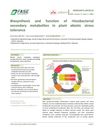 November 2025 in “Frontiers of Agricultural Science and Engineering”
 Rhizobacterial strain RT3 helps lettuce survive drought by producing protective substances like proline.
4 citations
,
April 2019 in “JAAD Case Reports” DPR can cause skin, hair, and nail issues, sometimes appearing later in life.