 September 1995 in “American Journal of Contact Dermatitis”
 Antiyeast treatments work better for seborrheic dermatitis than steroids, and other findings include increased skin bacteria under plastic wrap, a nasal cell defect in Staphylococcus aureus carriers, quick resolution of certain skin reactions, high rubber latex allergy in spina bifida patients, and glyceryl monopentadecanoate's effectiveness for male hair loss.
4 citations
,
April 2022 in “Microorganisms” Povidone iodine reduced skin bacteria more than chlorhexidine gluconate, but neither met FDA reduction standards.
58 citations
,
January 2015 in “Journal of the American Academy of Dermatology” Pioglitazone may help treat lichen planopilaris, but more research is needed.
 1 citations
,
September 2020 in “Journal of Dermatological Science”
1 citations
,
September 2020 in “Journal of Dermatological Science” The gene LRRC15 is more active in balding areas of the scalp compared to non-balding areas.
39 citations
,
May 2006 in “Molecular Plant-Microbe Interactions” Fusaric acid may help control Orobanche ramosa by activating plant defenses.
June 2023 in “Journal of dermatology for physician assistants” Lichen planopilaris should be considered when diagnosing hair loss in people with darker skin as it may be often missed.
28 citations
,
September 2020 in “International Journal of Molecular Sciences” Leucocyte-rich platelet-rich plasma boosts cell activity and helps wound healing.
7 citations
,
October 2015 in “Julius Kühn-Institut” Inhibiting plant sterols reduces grapevine pathogen reproduction.
 1 citations
,
December 2012 in “Dermatologic Surgery”
1 citations
,
December 2012 in “Dermatologic Surgery” Hair transplants can risk reactivating lichen planopilaris, a scarring hair loss condition.
February 2013 in “Journal of the American Academy of Dermatology”  14 citations
,
March 2019 in “Plant methods”
14 citations
,
March 2019 in “Plant methods” The new microrhizotron tool effectively observes and measures pepper plant roots non-destructively.
 26 citations
,
March 2015 in “American journal of clinical dermatology”
26 citations
,
March 2015 in “American journal of clinical dermatology” Topical clobetasol is recommended over mycophenolate mofetil for treating Lichen Planopilaris due to better safety and patient satisfaction.
31 citations
,
September 2019 in “Acta Pharmacologica Sinica” 18 citations
,
January 2013 in “Evidence-based Complementary and Alternative Medicine” Aconiti Lateralis Preparata Radix helps mouse stem cells grow and turn into bone cells faster than usual methods.
 3 citations
,
February 2015 in “Scientific Research and Essays”
3 citations
,
February 2015 in “Scientific Research and Essays” The study showed that brown planaria can be used to cheaply test if local plants can stop cell growth.
 April 2026 in “American Journal of Dermatopathology”
 Increased blood vessel growth in lichen planopilaris may signal active disease needing aggressive treatment.
 14 citations
,
January 2015 in “Skin appendage disorders”
14 citations
,
January 2015 in “Skin appendage disorders” Misdiagnosis of LPP in AGA patients can cause hair transplant issues.
6 citations
,
March 1975 in “The Journal of Dermatology” Ringworm from Trichophyton verrucosum mainly affects farm workers in Japan, spreading in families and peaking in winter.
1 citations
,
December 2016 in “Rossijskij žurnal kožnyh i veneričeskih boleznej” A new treatment using unactivated platelet leukocyte autoplasma cured 80% of non-scarring alopecia patients.
January 2021 in “Lithuanian University of Health Sciences” 24 citations
,
July 2015 in “Molecular Medicine Reports” Lysophosphatidic acid boosts stem cell growth and movement by creating reactive oxygen species.
 5 citations
,
April 2014 in “The American Journal of Dermatopathology”
5 citations
,
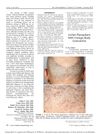
April 2014 in “The American Journal of Dermatopathology” Foreign-body granuloma may be a marker for late-stage Lichen Planopilaris and should be considered in diagnosis.
2 citations
,
July 2023 in “International Journal of Dermatology” Lichen planopilaris patients are more likely to have hypothyroidism.
62 citations
,
February 2018 in “Scientia Horticulturae” Mycorrhizal fungi improve root hair growth and nutrient uptake in trifoliate orange, especially when phosphorus is low.
56 citations
,
March 2017 in “Plant and Cell Physiology” Light sheet fluorescence microscopy effectively measures calcium changes in Arabidopsis root hairs.

Topical latanoprost acid at 0.05% concentration improved hair growth in women with androgenetic alopecia.
November 2022 in “Munich Personal RePEc Archive (Ludwig Maximilian University of Munich)” Phosphatidylinositol 4-kinases are crucial for root growth, defense, and immunity in Arabidopsis thaliana.
January 2023 in “Figshare” Triple therapy with clobetasol, hydroxychloroquine, and N-acetylcysteine is recommended for better outcomes in treating lichen planopilaris.
September 2021 in “Pediatrics in review” The girl's leg lesion was a fungal infection that improved with antifungal medication but kept coming back before finally clearing up after 5 years.
 July 2025 in “New Phytologist”
 MLO proteins help regulate calcium and ROS levels, promoting root hair growth in Arabidopsis.