 1 citations
,
October 2023 in “Skin research and technology”
1 citations
,
October 2023 in “Skin research and technology” LC-OCT is an effective new method for diagnosing classic lichen planopilaris.
 October 2025 in “Animal Bioscience”
 Key RNAs and genes linked to cashmere shedding in goats were identified.
 8 citations
,
January 2007 in “International journal of experimental pathology”
8 citations
,
January 2007 in “International journal of experimental pathology” Hairless HRS/J mice resist Bacillus anthracis skin infections due to high numbers of immune cells, not because they lack hair follicles.
July 2025 in “Journal of Investigative Dermatology” Candida auris uses the immune response to colonize hair follicles.
 13 citations
,
November 2005 in “Veterinary Dermatology”
13 citations
,
November 2005 in “Veterinary Dermatology” A dog's skin calcification condition resolved without treatment after a bacterial infection.
October 2010 in “한국식품영양과학회 산업심포지움발표집” Fermented Liriope platyphylla helps hair grow in mice with hair loss.
January 2025 in “Case Reports in Veterinary Medicine” Timely diagnosis and treatment are crucial for managing skin infections in wildlife.
Ablative CO2 laser resurfacing tightens skin by promoting collagen and new cell growth.
January 2026 in “Al-Furat Journal for Health and Medical Sciences” Enterococcus faecalis may be linked to the severity of alopecia areata.
 70 citations
,
February 2019 in “The journal of immunology/The Journal of immunology”
70 citations
,
February 2019 in “The journal of immunology/The Journal of immunology” Short-chain fatty acids from *Cutibacterium acnes* cause skin inflammation, contributing to acne.
 31 citations
,
October 2010 in “Progress in lipid research”
31 citations
,
October 2010 in “Progress in lipid research” LPA3 is crucial for embryo implantation and links LPA to prostaglandin signaling.
7 citations
,
February 2011 in “Journal of dermatology” The 736T>A mutation in the LIPH gene is common in Japanese people with autosomal recessive woolly hair.

Plant roots respond to fungus smells by possibly using certain proteins and a plant hormone to change root growth, but more research is needed.
 23 citations
,
February 2020 in “PLOS genetics”
23 citations
,
February 2020 in “PLOS genetics” Mice with LSS deficiency showed hair loss and cataracts, similar to humans, and can help in understanding and treating this condition.
1 citations
,
July 2025 in “Journal of Investigative Dermatology” 1 citations
,
October 2025 in “Journal of Clinical Investigation” Staphylococcus aureus delays wound healing by disrupting lipid metabolism in skin cells.
 April 2023 in “Journal of Investigative Dermatology”
 An elderly woman's upper lip lump, thought to be a mucocele, was actually a rare type of lymphoma usually found on legs, treated successfully with chemotherapy and radiation.
Lack of certain cells causes abnormal nipple development and nursing failure.
5 citations
,
May 1952 in “Journal of Animal Science” Riboflavin deficiency in baby pigs causes health issues, and while supplements help, they may not fully fix internal problems.
7 citations
,
July 2013 in “InTech eBooks” Oral lichen planus is a chronic disease causing mouth discomfort and sometimes needs immunosuppressive treatment.
9 citations
,
September 2013 in “Journal of Applied Animal Research” The genetic variation in the KAP13-3 gene may affect cashmere fiber traits in Liaoning goats.

Dual TCR Treg cells are common in various mouse tissues and show diverse characteristics.
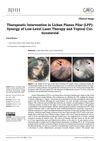 January 2024 in “Brazilian Journal of Hair Health”
 Combining low-level laser therapy with topical corticosteroids effectively improved Lichen Planopilaris symptoms.
21 citations
,
November 1980 in “PubMed” A new mite species was found in California sea lions, causing skin issues.
 8 citations
,
September 2002 in “Genes to Cells”
8 citations
,
September 2002 in “Genes to Cells” Killing specific cells in hair follicles can lead to hair growth problems in mice.
 October 2025 in “Pediatric Dermatology”
 A 16-year-old boy's facial condition improved with doxycycline, suggesting an immune response to hair follicle damage.
1 citations
,
February 2005 in “The Journal of Laryngology & Otology” A fungal infection in the neck caused severe breathing issues, treated successfully with antibiotics and antifungal medication.
2 citations
,
June 2007 in “PubMed” Alopecia in young calves is linked to longer illness periods and ruminal drinking, but the exact cause is unclear.
47 citations
,
March 1987 in “The Journal of dermatologic surgery and oncology” Carbon dioxide laser treatment effectively removed facial hair cysts without scarring or them coming back.
Ablative CO2 laser resurfacing tightens skin by destroying and regenerating skin layers.