October 2025 in “Science Advances” IFN-γ production by CD4 T cells is crucial for causing alopecia areata.
March 2025 in “Archives of Dermatological Research” miR-155-5p can help diagnose and track alopecia areata severity.
 June 2026 in “Archives of Dermatological Research”
 The rs4541843 variant is linked to higher risk and severity of alopecia areata.
2 citations
,
April 2025 in “Plants” Lambertianic acid helps prevent muscle wasting.
13 citations
,
March 2014 in “Journal of Clinical Laboratory Analysis” Higher MIF levels in alopecia areata patients suggest it could be a treatment target and disease predictor.
June 2025 in “Neurology India” Anti-SRP myopathy can be linked to systemic lupus erythematosus and may improve with specific treatment.
 7 citations
,
February 2010 in “British Journal of Dermatology”
7 citations
,
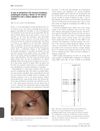
February 2010 in “British Journal of Dermatology” A woman with a rare autoimmune disorder had a blister on her eye and unique immune reaction, which was effectively treated with medication.
 July 2022 in “Journal of Investigative Dermatology”
 IL-15 helps maintain hair growth and protects the immune status of hair follicles.
 14 citations
,
January 1990 in “Fertility and Sterility”
14 citations
,
January 1990 in “Fertility and Sterility” Some patients with high prolactin levels don't show symptoms because they have a form of the hormone that's less active.
 40 citations
,
April 2013 in “Dermato-endocrinology”
40 citations
,
April 2013 in “Dermato-endocrinology” People with chronic Alopecia Areata often have lower vitamin D levels.
 1 citations
,
January 2015 in “Advanced techniques in biology & medicine”
1 citations
,
January 2015 in “Advanced techniques in biology & medicine” Down Syndrome patients with Alopecia Areata often have hypothyroidism and specific immune abnormalities.
18 citations
,
June 2010 in “Cell Stress and Chaperones” Heat treatment increases hair loss in certain mice.
 15 citations
,
April 2019 in “Journal of Cellular Biochemistry”
15 citations
,
April 2019 in “Journal of Cellular Biochemistry” Certain blood miRNAs are linked to severe alopecia areata and could lead to new treatments.
 November 2022 in “The journal of investigative dermatology/Journal of investigative dermatology”
 New imaging technology can show up to 40 different markers in hair loss tissue, helping to understand hair disease better.
34 citations
,
November 1998 in “Journal of Investigative Dermatology” A common mutation in the hHb6 gene is linked to monilethrix, but other factors may also play a role.
 1 citations
,
January 2010 in “Türkiye klinikleri tıp bilimleri dergisi”
1 citations
,
January 2010 in “Türkiye klinikleri tıp bilimleri dergisi” A rare case showed hair regrowth after chemotherapy for thymoma, suggesting a link between alopecia areata and thymoma.
26 citations
,
December 2003 in “Experimental Dermatology” Specific keratin gene mutations can cause monilethrix.
1 citations
,
October 2000 in “Journal of Investigative Dermatology” The Thr1022Ala variant in the hairless gene is not a disease-causing mutation.
 5 citations
,
May 2017 in “Journal of the European Academy of Dermatology and Venereology”
5 citations
,
May 2017 in “Journal of the European Academy of Dermatology and Venereology” The study found no significant difference in stress hormone levels between people with alopecia areata and healthy individuals, suggesting that the disease is not caused by an overactive stress response system.
June 2020 in “Jurnal Penyakit Dalam Indonesia” Anti-DFS70 antibodies can help identify nonsystemic autoimmune conditions in SLE patients.
 April 2019 in “The journal of investigative dermatology/Journal of investigative dermatology”
 Machine learning can predict how well patients with alopecia areata will respond to certain treatments.
 4 citations
,
November 2018 in “JAAD case reports”
4 citations
,
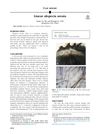
November 2018 in “JAAD case reports” Alopecia areata can sometimes appear as a straight line of hair loss instead of round patches.
 April 2023 in “The journal of investigative dermatology/Journal of investigative dermatology”
 The study suggests that a specific type of immune cell, memory-like NK cells, may increase during active hair loss in Alopecia areata.
1 citations
,
September 2020 in “Journal of dermatology” Researchers found a new mutation in the LIPH gene of a woman with a rare hair condition.
3 citations
,
February 2020 in “The Egyptian Rheumatologist” Recognizing LET and AITD can help diagnose SLE early for better treatment.
 November 2022 in “The journal of investigative dermatology/Journal of investigative dermatology”
 A patient with a new PLEC gene mutation showed symptoms of both muscular dystrophy and myasthenia gravis, which improved with steroid treatment.
November 2025 in “Journal of Investigative Dermatology” BTNL2 helps protect hair follicles from immune attacks.
 July 2024 in “Egyptian Journal of Medical Human Genetics”
 These gene variations are not linked to alopecia areata in Egyptians.
 5 citations
,
January 2019 in “Skin appendage disorders”
5 citations
,
January 2019 in “Skin appendage disorders” The conclusion is that it's important to tell apart alopecia areata from lipedematous alopecia for proper treatment, as alopecia areata can be reversed.
10 citations
,
October 2018 in “Neurology Neuroimmunology & Neuroinflammation” Systemic corticosteroids might help treat hair loss caused by alemtuzumab in MS patients.