 January 2025 in “Drug repurposing”
 New drug uses show promise but need more research.
 3 citations
,
May 2022 in “Clinical and experimental dermatology”
3 citations
,
May 2022 in “Clinical and experimental dermatology” Drugs targeting EMT molecules show promise for treating lichen planopilaris.
1 citations
,
September 2023 in “Journal of the American Academy of Dermatology” Continued ritlecitinib treatment can lead to hair regrowth in some patients with alopecia areata who initially don't respond.
 37 citations
,
May 2016 in “JAAD case reports”
37 citations
,
May 2016 in “JAAD case reports” Oral minoxidil shows promise in treating monilethrix-related hair loss.
1 citations
,
January 2008 5 citations
,
February 2025 in “Pediatric Dermatology” Ritlecitinib was generally well tolerated in children with alopecia areata.
 November 2023 in “Journal of medical and health studies”
 Combining low-level laser therapy with scalp microneedling and a clobetasol solution significantly improves androgenetic alopecia.
Combining excimer lamp and tofacitinib gel may help treat hair loss in children.
1 citations
,
October 2025 in “Ophthalmology Science” Lower doses of topotecan are safe for eyes, but higher doses may harm the retina.
2 citations
,
May 2020 in “Molecules” A new, efficient method was developed to synthesize a specific compound and its derivatives.
 December 2020 in “Actas Dermo-Sifiliográficas”
 LLLT increases hair density and growth in AGA patients.
48 citations
,
September 2007 in “European Journal of Neuroscience” Ethanol blocks memory formation in rats by enhancing certain brain chemicals.
 1 citations
,
October 2010 in “Faṣlnāmah-i bīmārīhā-yi pūst”
1 citations
,
October 2010 in “Faṣlnāmah-i bīmārīhā-yi pūst” Methotrexate with corticosteroids can help regrow hair in severe alopecia areata but may cause relapses and side effects.
October 2017 in “Doctoral thesis, UCL (University College London).” Lipid-based nanoparticles are effective for applying hair growth treatments to the skin.
 1 citations
,
April 2018 in “The journal of investigative dermatology/Journal of investigative dermatology”
1 citations
,
April 2018 in “The journal of investigative dermatology/Journal of investigative dermatology” Oral tofacitinib significantly improves lichen planopilaris symptoms without adverse effects.
October 2025 in “Archives of Dermatological Research” Topical metformin gel is as effective and safe as steroids for treating alopecia areata.
21 citations
,
March 2003 in “Acta Dermato Venereologica” Tacalcitol ointment effectively improves bilateral nevus comedonicus.
75 citations
,
September 1971 in “British Journal of Dermatology” Both steroids effectively promote hair growth for at least 9 months.
2 citations
,
January 2017 in “International Journal of Trichology” Trichoscopy can reveal specific hair and scalp changes in linear morphea.
2 citations
,
October 2016 in “European Neuropsychopharmacology”  February 2024 in “Health Sciences”
 Botulinum neurotoxin A is effective and safe for treating various conditions, but more clinical trials are needed to fully assess its benefits and risks.
 4 citations
,
January 2014 in “Indian dermatology online journal”
4 citations
,
January 2014 in “Indian dermatology online journal” Monilethrix is a genetic hair disorder causing fragile, beaded hair with no effective treatment.
 2 citations
,
February 2009 in “Journal of the American Academy of Dermatology”
2 citations
,
February 2009 in “Journal of the American Academy of Dermatology” Injecting triamcinolone into the eyebrow area may help eyelash regrowth in alopecia areata patients.
June 2025 in “Acta Dermato Venereologica” Low-dose Ritlecitinib may help children with stubborn Alopecia Areata.
January 2024 in “International journal of molecular sciences” A brain-made hormone can protect against memory-related brain damage caused by harmful proteins.
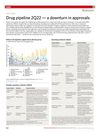 August 2022 in “Nature Biotechnology”
 Drug approvals slowed in 2Q22, but notable drugs like Amvuttra, Camzyos, and Olumiant were approved.
19 citations
,
February 2001 in “Journal of paediatrics and child health” A new mutation in the mitochondrial DNA was found in a boy with MELAS, even though his family didn't show typical signs.
 9 citations
,
October 2020 in “Journal of The American Academy of Dermatology”
9 citations
,
October 2020 in “Journal of The American Academy of Dermatology” Low-dose oral minoxidil is an effective and well-tolerated treatment for hair growth in alopecia patients.
August 2026 in “Journal of Drug Delivery Science and Technology” 21 citations
,
September 2008 in “Brain Research” Neurosteroids in the brain can increase or decrease seizure risk in mice.