 22 citations
,
April 2013 in “Dermatologic surgery”
22 citations
,
April 2013 in “Dermatologic surgery” Bimatoprost effectively and safely improves eyebrow appearance.
 January 2023 in “Indian Dermatology Online Journal”
 Bimatoprost and clobetasol are both effective for scalp hair loss, but bimatoprost works faster, has fewer side effects, and grows more colored hair.
 5 citations
,
January 2022 in “Drug Delivery”
5 citations
,
January 2022 in “Drug Delivery” Bimatoprost cream can help regrow hair in baldness.
21 citations
,
January 2007 in “Journal of the European Academy of Dermatology and Venereology” Travoprost can help eyelash growth but may cause darkening around the eyes.
 17 citations
,
December 2013 in “Journal of Investigative Dermatology Symposium Proceedings”
17 citations
,
December 2013 in “Journal of Investigative Dermatology Symposium Proceedings” Bimatoprost is safe and effective for treating eyelash loss caused by chemotherapy.
 43 citations
,
July 2013 in “Pharmacological reviews”
43 citations
,
July 2013 in “Pharmacological reviews” New research on prostamide F2α has led to treatments for glaucoma and eyelash growth and may have more medical uses.
 31 citations
,
January 2015 in “Journal of The American Academy of Dermatology”
31 citations
,
January 2015 in “Journal of The American Academy of Dermatology” Prostaglandin F2α analogs show promise for treating certain types of hair loss but need more research for other skin conditions.
March 2025 in “JAAD reviews.” Bimatoprost effectively improves eyelashes in chemotherapy patients.
 7 citations
,
May 2018 in “Curēus”
7 citations
,
May 2018 in “Curēus” Bimatoprost 0.03% solution effectively promotes eyebrow growth.
11 citations
,
January 2012 in “PubMed” Bimatoprost can help grow eyebrow hair.
 January 2014 in “Jaypee Brothers Medical Publishers (P) Ltd. eBooks”
 Bimatoprost may help with hair loss.
December 2024 in “Journal of the European Academy of Dermatology and Venereology” Bimatoprost shows promise for treating vitiligo, especially when combined with other therapies.
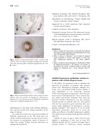 30 citations
,
August 2009 in “Journal of the American Academy of Dermatology”
30 citations
,
August 2009 in “Journal of the American Academy of Dermatology” Bimatoprost is safe but not effective for severe eyelash loss from alopecia areata, possibly helping those with less loss.
July 2022 in “Dermatologic Therapy”  7 citations
,
March 2019 in “Dermatologic surgery”
7 citations
,
March 2019 in “Dermatologic surgery” Bimatoprost 0.01% effectively and safely improves eyebrow growth.
5 citations
,
July 2011 in “PubMed” Injected bimatoprost 0.03% solution did not effectively treat female-pattern hair loss.
4 citations
,
July 2019 in “Journal of cosmetic dermatology” Both 0.01% and 0.03% bimatoprost safely improve eyebrow fullness, with a patient preference for the 0.03% concentration.
 29 citations
,
May 2010 in “Ophthalmology”
29 citations
,
May 2010 in “Ophthalmology” Bimatoprost gel makes eyelashes grow longer, but may cause side effects and should be monitored by an eye doctor.
 April 2016 in “Plastic and reconstructive surgery. Global open”
 Tafluprost could be a potential treatment for hair loss by promoting hair growth phase changes.
3 citations
,
May 2014 in “Journal of the Egyptian Women's Dermatologic Society /Journal of the Egyptian Women's Dermatologic Society” Bimatoprost may help treat hair loss from alopecia areata.
January 2018 in “International Journal of Medical Reviews and Case Reports” Bimatoprost 0.03% solution may help treat hair loss.
 23 citations
,
April 2004 in “American Journal of Ophthalmology”
23 citations
,
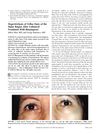
April 2004 in “American Journal of Ophthalmology” Using bimatoprost on one side of the face caused increased cheek hair growth in a patient.
 15 citations
,
March 2004 in “American Journal of Ophthalmology”
15 citations
,
March 2004 in “American Journal of Ophthalmology” Using bimatoprost on one side of the face caused increased cheek hair growth in a patient.
 February 2024 in “Journal of Cosmetic Dermatology”
 Using a laser with bimatoprost solution works better for hair regrowth in alopecia areata than bimatoprost alone.
1 citations
,
December 2019 Bimatoprost eye drops can increase eyelash length and strength.
1 citations
,
December 2019 in “Clinical ophthalmology” Bimatoprost eye drops make rabbit eyelashes longer, thicker, and darker, and increase the number of lashes without causing inflammation.
51 citations
,
May 2004 in “American journal of ophthalmology” Using topical prostaglandin F2α for glaucoma may cause loss of eyelash or eyebrow pigment.
 17 citations
,
May 2012 in “Journal of dermatology”
17 citations
,
May 2012 in “Journal of dermatology” Bimatoprost is slightly more effective than minoxidil for eyebrow growth, and both are safe.
 36 citations
,
January 2015 in “Dermatology”
36 citations
,
January 2015 in “Dermatology” Bimatoprost was found to be safer and more effective than mometasone furoate for treating scalp hair loss.
 1 citations
,
July 2023 in “Archives of dermatological research”
1 citations
,
July 2023 in “Archives of dermatological research” Bimatoprost 0.03% is as effective as minoxidil 2% for eyebrow growth.