31 citations
,
September 2011 in “European journal of pharmaceutics and biopharmaceutics” PLA particles release their contents differently based on the type of fluorochrome used.
 2 citations
,
December 2019 in “Textile Research Journal”
2 citations
,
December 2019 in “Textile Research Journal” L-cysteine and ultrasound successfully improved rabbit hair fibers for industrial use.
 35 citations
,
August 2010 in “The American journal of pathology”
35 citations
,
August 2010 in “The American journal of pathology” Researchers created a new mouse model for studying Citrullinemia Type I and similar conditions, showing symptoms and treatment responses like those in humans.
May 2018 in “Pakistan journal of nutrition” Feeding sheep up to 30% Leucaena leaf meal does not harm their blood metabolites and thyroid hormones.
 March 2024 in “Journal of cosmetic dermatology”
 Platelet-rich plasma (PRP) is an effective treatment for lichen planopilaris.
 3 citations
,
January 2021 in “Applied sciences”
3 citations
,
January 2021 in “Applied sciences” Fermented red ginseng and a traditional herb mix improved hair growth in mice.
 April 2019 in “Journal of Investigative Dermatology”
 Lichen planopilaris involves disrupted fat metabolism, increased scarring, and mast cell activity.
 March 2024 in “Brazilian Journal of Veterinary Pathology”
 The dog likely has a canine alopecia X-like disorder.
1 citations
,
August 2020 The Shaven mutation in mice affects hair growth and causes a greasy coat due to abnormal lipid content.
14 citations
,
February 1991 in “FEBS Letters” Introducing the rat OTC gene partially corrected OTC deficiency in mice.
15 citations
,
September 1970 in “Journal of Animal Science” Copper in the diet helps maintain hair color and mineral balance in calves.
 16 citations
,
January 2017 in “Anais brasileiros de dermatologia/Anais Brasileiros de Dermatologia”
16 citations
,
January 2017 in “Anais brasileiros de dermatologia/Anais Brasileiros de Dermatologia” Managing frontal fibrosing alopecia and lichen planus pigmentosus is challenging due to resistant hair loss and skin discoloration.
 5 citations
,
July 2020 in “JAMA Dermatology”
5 citations
,
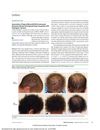
July 2020 in “JAMA Dermatology” Minoxidil solution applied twice daily improved hair growth in patients with Woolly Hair/Hypotrichosis due to LIPH gene issues, with mild side effects.
36 citations
,
February 2004 in “Veterinary Dermatology” Lymphangiosarcoma was confirmed in cats with specific skin symptoms using a lymphatic marker.
Lhx2 helps retinal cells respond to signals for eye development.
 3 citations
,
January 2017 in “Evidence-based complementary and alternative medicine”
3 citations
,
January 2017 in “Evidence-based complementary and alternative medicine” Galla chinensis solution effectively treats fungal skin infections in dogs.
January 2026 in “Case Reports in Dermatological Medicine” Lichen Planus in siblings may be influenced by genetics and environment.
 28 citations
,
May 2019 in “Life Sciences”
28 citations
,
May 2019 in “Life Sciences” Ginsenoside Rb1 from Panax ginseng helps mink hair grow by activating certain cell signals.
 13 citations
,
May 2019 in “Cancer Prevention Research”
13 citations
,
May 2019 in “Cancer Prevention Research” Grape seed extract may safely and effectively help prevent lung cancer.
 1 citations
,
April 2024 in “Food Frontiers”
1 citations
,
April 2024 in “Food Frontiers” Pu-erh tea reduces hair loss risk in offspring.
151 citations
,
August 2011 in “The EMBO Journal” The enzyme PA-PLA1α is important for proper hair follicle development.
 1 citations
,
July 2025 in “Scientific Reports”
1 citations
,
July 2025 in “Scientific Reports” Diagonal earlobe crease and lipoprotein(a) together help diagnose coronary heart disease.
 June 2017 in “Journal of The American Academy of Dermatology”
 Women in Australia report different signs of facial aging compared to women in the US, UK, and Canada; men with Lichen planopilaris often have hormonal abnormalities and thyroid disease.
December 2016 in “Experimental and Molecular Pathology” Mus pahari mice have fragile skin due to abnormal collagen and elastin.
November 2020 in “World Journal of Integrated traditional and western Medicine(WJIM)” Shengyang Sanhuo Decoction effectively treats hair loss by supporting the spleen and stomach.
25 citations
,
September 2014 in “SpringerPlus” Sheep have a unique gene, KAP8-2, that humans don't have, which may affect wool properties.
Otter rabbit, mink, and blue fox fur can be identified by their unique hair structures.
January 2026 in “Skin Research and Technology” The study's findings on VLDL as a biomarker for hair loss are unreliable.
Fermented Cornus officinalis promotes hair growth effectively.
 9 citations
,
January 1959 in “The journal of nutrition/The Journal of nutrition”
9 citations
,
January 1959 in “The journal of nutrition/The Journal of nutrition” Higher potassium intake may protect against hair loss and liver fat in lysine-deficient rats.