28 citations
,
June 1995 in “The Journal of Dermatology” The flaky skin mouse mutation is a natural model for studying human psoriasis.
January 2024 in “Veterinary Dermatology” A rare skin condition was found in a Labrador retriever outside North America.
 4 citations
,
March 2011 in “Korean Journal of Veterinary Research”
4 citations
,
March 2011 in “Korean Journal of Veterinary Research” Two dogs in Korea were diagnosed with a rare skin condition usually seen in cats.
4 citations
,
December 2022 in “Al-mağallaẗ al-ʻirāqiyyaẗ li-l-ʻulūm al-bayṭariyyaẗ/Iraqi journal of veterinary sciences” Tioconazole cream is highly effective and easy to use for treating sheep dermatophytosis.
 April 2019 in “Journal of Investigative Dermatology”
 Lichen planopilaris involves disrupted fat metabolism, increased scarring, and mast cell activity.
34 citations
,
September 2007 in “Experimental Dermatology” The outer layer of Merino wool is rich in sulfur proteins, making it resistant to damage.

Lichen planopilaris and frontal fibrosing alopecia are likely the same disease with different clinical appearances.
January 2022 in “The Pan African medical journal” Hypertrichosis causes excessive hair growth and needs psychological support due to its impact on self-esteem.
 January 2025 in “International Journal of Veterinary Sciences and Animal Husbandry”
 Sarolaner effectively treats generalized demodicosis in dogs without side effects.
8 citations
,
August 2022 in “BMC Veterinary Research” C57BL/6 mice and SD rats have different sweat gland and hair follicle patterns, useful for skin research.
 13 citations
,
November 2005 in “Veterinary Dermatology”
13 citations
,
November 2005 in “Veterinary Dermatology” A dog's skin calcification condition resolved without treatment after a bacterial infection.
 June 2021 in “Research Square (Research Square)”
 Melatonin can increase cashmere yield by altering gene expression and restarting the growth cycle early.
 February 2024 in “Scientific reports”
 Four genes are potential markers for hair loss condition alopecia areata, linked to a specific type of cell death.
November 2024 in “JAAD Case Reports” A 21-month-old boy has a rare genetic disorder causing sparse hair due to an LSS gene mutation.
14 citations
,
September 2017 in “Hereditas” Genes influence horse coat color and may help understand human skin conditions.
December 2024 in “PLoS ONE” Alopecia in gray bats is most common and severe during lactation, likely due to stress and nutrition.
 11 citations
,
September 1992 in “Journal of pineal research”
11 citations
,
September 1992 in “Journal of pineal research” Immunizing goats against melatonin can temporarily change their cashmere growth cycles and increase fleece production.
 December 2014 in “Bangladesh Journal of Veterinary Medicine”
 Ectoparasites cause skin issues in Egyptian lesser blind mole rats, affecting their population.
 5 citations
,
January 2021 in “Veterinary dermatology”
5 citations
,
January 2021 in “Veterinary dermatology” Low-level laser therapy did not reduce licking or improve lesions in dogs with ALD but did increase hair growth.
 67 citations
,
February 2009 in “Journal of Dermatology”
67 citations
,
February 2009 in “Journal of Dermatology” A black Doberman with hair loss improved partially with omega-3/omega-6 treatment.
 January 2012 in “International Journal of Trichology”
 Two siblings have a rare genetic condition causing curly, coarse hair.
December 2025 in “Animals” TGFBR1 slows down cell growth in fine-wool sheep hair follicles.
 1 citations
,
September 2023 in “Clinical, cosmetic and investigational dermatology”
1 citations
,
September 2023 in “Clinical, cosmetic and investigational dermatology” Certain genetic variants linked to immune response increase the risk of alopecia areata in Taiwanese people.
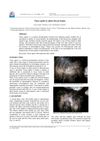
An adult Libyan woman was successfully treated for a rare scalp infection usually seen in children.
1 citations
,
January 2014 in “Assiut Veterinary Medical Journal/Maǧallaẗ Asyūṭ al-ṭibiyyaẗ al-baytariyyaẗ” Emaciated cattle in Aswan have poor health due to parasites and low blood nutrients.
20 citations
,
October 2005 in “Archives of Dermatological Research”  January 1980 in “Journal of the Japan Veterinary Medical Association”
 Iodine deficiency in sows likely caused hair loss in newborn piglets.
January 2010 in “BMC Genomics” Key genes influence cashmere growth cycles, aiding goat breeding.
2 citations
,
July 2025 in “Drug development & registration” A new algorithm accurately analyzes animal coat and skin colors quickly and easily.