 November 2016 in “Elsevier eBooks”
 Genetic mutations can affect female sexual development, requiring personalized medical care.
 December 2015 in “University of Birmingham Institutional Research Archive (University of Birmingham)”
 AKR1C3 could be a treatment target for metabolic issues in PCOS.
 July 2015 in “Cambridge University Press eBooks”
 Androgens like testosterone affect skin health and can lead to conditions such as acne and hair loss, with various treatments available.
 November 2014 in “John Wiley & Sons, Ltd eBooks”
 Eating high-glycemic and dairy foods can increase hormones that may cause acne and other health issues.
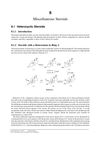
The document concludes that scientists created various steroids with different properties, including a more effective semi-synthetic vitamin D.
 January 1983 in “Elsevier eBooks”
 Cyproterone acetate is used to treat conditions like prostate cancer, early puberty, excessive sexual drive, and female androgenization by affecting androgen functions and suppressing certain hormones.
January 2018 in “Refubium (Universitätsbibliothek der Freien Universität Berlin)” New nanocarriers were developed for safer, targeted drug delivery and diagnostics, showing promise for future medical use.
5 citations
,
December 2018 in “Frontiers in Endocrinology” Differences in androgen receptor expression and tissue properties may lead to higher cryptorchidism risk in certain rats.
June 2008 in “Springer eBooks” 
Choose FDA-cleared red light therapy devices and follow guidelines for safe use.
September 2025 in “Journal of Cosmetic Dermatology” Single-needle radiofrequency is effective and safe for treating facial sebaceous hyperplasia.
2 citations
,
September 2025 in “Frontiers in Nutrition” Aloe vera is effective for healing, skin, and health due to its beneficial compounds.
September 2022 in “Journal of the American Academy of Dermatology” The serum reduces acne and improves skin clarity.
May 2025 in “Journal of Photochemistry and Photobiology B Biology” Blue LED light improves hair treatments for Caucasian and Asian hair but not for African hair.
165 citations
,
May 2023 in “Science Advances” The hydrogel speeds up healing of infected wounds by providing oxygen and fighting bacteria.
14 citations
,
March 2019 in “European journal of pharmaceutics and biopharmaceutics” Proretinal nanoparticles improve skin absorption and reduce irritation of topical retinoids.
7 citations
,
February 2024 in “ACS Applied Materials & Interfaces” A new light-activated treatment speeds up healing of infected wounds without antibiotics.
April 2024 in “International journal of molecular sciences” Light-based treatment, Photobiomodulation, shows promise for non-invasive skin therapy with few side effects.
 31 citations
,
August 2022 in “Frontiers in Oncology”
31 citations
,
August 2022 in “Frontiers in Oncology” Photobiomodulation therapy helps manage cancer treatment side effects but needs more research for optimization.
16 citations
,
April 2025 in “Journal of the American Academy of Dermatology” Photobiomodulation is safe and effective for treating certain conditions like nerve pain and hair loss.
7 citations
,
August 2024 in “JAAD reviews.” Minoxidil can cause unwanted hair growth, so personalized care and support are important.
November 2025 in “Photochemistry and Photobiology” Standardizing light therapy methods could improve spinal cord injury treatment.
 April 2024 in “Indian dermatology online journal”
 A rare hair follicle disorder can cause itchy, bluish-black bumps on the body.
 June 2023 in “Brazilian Journal of Health Review”
 Hair transplantation improves life quality and self-esteem in men with male pattern baldness.
 April 2023 in “Advanced functional materials”
 The study created a tool that mimics natural cell signals, which increased cell growth and could help with hair regeneration research.
March 2023 in “Cosmetics” The "in-motion" technique for hair removal is less painful and safer than the traditional method, with similar effectiveness.
 January 2017 in “Journal of Investigative Dermatology Symposium Proceedings”
 The 2015 Hair Research Congress concluded that stem cells, maraviroc, and simvastatin could potentially treat Alopecia Areata, topical minoxidil, finasteride, and steroids could treat Frontal Fibrosing Alopecia, and PTGDR2 antagonists could also treat alopecia. They also found that low-level light therapy could help with hair loss, a robotic device could assist in hair extraction, and nutrition could aid hair growth. They suggested that Alopecia Areata is an inflammatory disorder, not a single disease, indicating a need for personalized treatments.
66 citations
,
June 2020 in “Advanced Intelligent Systems” Surgical robots have improved but still can't perform tasks or make decisions on their own.
4 citations
,
September 2023 in “Journal of Dermatological Treatment” Red and near-infrared light-emitting fabric may help improve psoriasis, PMLE, and alopecia areata.
2 citations
,
April 2022 in “Biomedicines” Low-frequency electromagnetic fields may help hair growth by affecting certain growth-related molecules.