 July 2025 in “Pharmaceutical Sciences & Analytical Research Journal”
 Herbal treatments for hair loss show promise but need more research to confirm their safety and effectiveness.

Microneedling may improve quality of life and reduce inflammation in frontal fibrosing alopecia.
 June 2025 in “Clinical Cosmetic and Investigational Dermatology”
 There's an urgent need for better treatments for hair loss caused by radiation therapy.
Herbal therapies for alopecia show promise but need more research for safety and effectiveness.
 January 2025 in “RSC Pharmaceutics”
 Smart microneedles using advanced tech could improve psoriasis treatment.
 January 2025 in “Journal of Materials Chemistry B”
  November 2024 in “International Journal of Research and Review”
 Nanotechnology improves cosmetics by enhancing ingredient delivery and effectiveness.
 October 2024 in “International Journal of Research in Ayurveda and Pharmacy”
 Jeemuta Bhringadi Taila may help reduce hair loss and promote regrowth.
 October 2024 in “Journal of Education Health and Sport”
 Alopecia areata treatment should be personalized, using topical or systemic therapies based on severity, with promising options like JAK inhibitors needing more research.

Personalized, multidisciplinary care improves skin condition management and patient outcomes.
Personalized care and evidence-based treatments are crucial for managing skin and hair conditions.
 April 2024 in “Frontiers in cellular and infection microbiology”
 Blue light might help treat skin conditions by affecting the skin's bacteria.
 February 2024 in “International neuropsychiatric disease journal”
 Alopecia areata severely impacts quality of life, mental health, and work productivity.
 February 2024 in “PloS one”
 Tofacitinib and adalimumab are promising treatments for cicatricial alopecia with few side effects.
 January 2024 in “International Journal of Scientific Research in Science and Technology”
 PRP therapy can improve skin texture and reduce wrinkles.
 January 2024 in “International Journal of Homoeopathic Sciences”
 Individualized homeopathic treatment can effectively treat alopecia areata.
 January 2024 in “International Journal of Dermatology Research”
 PRP is more effective than triamcinolone for treating alopecia areata.
 December 2023 in “LA Referencia (Red Federada de Repositorios Institucionales de Publicaciones Científicas)”
 Both photobiomodulation and low-frequency treatments effectively reduce body measurements.
 November 2023 in “The actual problems in dentistry”
 New, safer, and personalized treatments are needed for oral lichen planus.
 October 2023 in “Frontiers in medicine”
 Targeted immunotherapy could be a promising new treatment for hair regrowth.

Adding aesthetic therapies to medications doesn't improve male pattern baldness treatment.
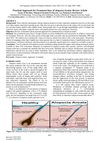 July 2023 in “The Egyptian Journal of Hospital Medicine ”
 The conclusion is that emotional support and a variety of treatments are important for alopecia areata, but more research is needed.
 June 2023 in “LA Referencia (Red Federada de Repositorios Institucionales de Publicaciones Científicas)”
 Home photobiomodulation therapy can improve life quality and mobility for disabled individuals.
 January 2023 in “International Journal of Pharmaceutical Research and Development”
 Nanotechnology therapies can help improve quality of life for those with hair loss.
 January 2023 in “Frontiers research topics”
 Skin conditions can cause significant psychological distress, so addressing mental health is crucial for improving quality of life.
 October 2022 in “The Egyptian Journal of Hospital Medicine”
 Topical corticosteroids are the preferred first treatment for children with Alopecia Areata.
 September 2022 in “Dermatology and therapy”
 Contact immunotherapy might help treat various skin conditions, but more research is needed to confirm its safety and effectiveness.
Vitamin D is crucial for skin health and managing skin diseases.
Dermatology residents should learn LGBT needs and terms to provide better care.
 January 2022 in “Dermatology Review”
 Higher IL-31 levels are linked to worse itching in chronic kidney disease patients.