8 citations
,
September 2024 in “Food Science & Nutrition” β-Sitosterol may help prevent heart disease, cancer, and diabetes, but more human studies are needed.
7 citations
,
August 2023 in “Frontiers in Immunology” Targeting TRP channels may help reduce excessive scarring.
 7 citations
,
March 2023 in “Antioxidants”
7 citations
,
March 2023 in “Antioxidants” Rosemary may help treat various skin conditions due to its antioxidant and anti-inflammatory properties.
5 citations
,
January 2025 in “Pharmaceuticals” Coffea arabica shows promise for skin care due to its beneficial compounds.
2 citations
,
January 2025 in “Journal of Nanobiotechnology” A new engineered treatment shows promise in curing heart fibrosis.
 August 2026 in “Pharmaceuticals”
 Biopolymer-based hydrogels are promising for advanced wound healing due to their ability to enhance tissue regeneration and provide antimicrobial protection.
March 2026 in “Bioconjugate Chemistry” Peptide-based PROTACs show promise in targeting hard-to-treat proteins, especially for cancer therapy.
 February 2026 in “International Journal of Molecular Sciences”
 3-Hydroxypropionic acid may help treat hair loss by promoting hair growth in cells.
 September 2025 in “Dermatology and Therapy”
 The treatment improved hair growth and was well-received without side effects.
January 2025 in “Molecules” Caffeine may help with hair loss, but more research is needed to confirm its effectiveness.
 July 2023 in “JAAD International”
 Two drugs, finasteride and minoxidil, are approved for hair loss treatment, but new therapies are being developed.
March 2023 in “Anais Brasileiros De Dermatologia” Topical minoxidil is the best-supported treatment for female hair loss, but personalized plans are needed.
March 2023 in “Clinical, Cosmetic and Investigational Dermatology” Spironolactone can effectively treat hair loss with manageable side effects.
 117 citations
,
September 2013 in “Lasers in Surgery and Medicine”
117 citations
,
September 2013 in “Lasers in Surgery and Medicine” Red light therapy at 655 nm significantly improved hair growth in men with hair loss.
 62 citations
,
July 2018 in “Lasers in Medical Science”
62 citations
,
July 2018 in “Lasers in Medical Science” LED therapy is safe and shows potential for treating skin conditions and promoting hair growth, but more research is needed.
 19 citations
,
February 2018 in “Lasers in Medical Science”
19 citations
,
February 2018 in “Lasers in Medical Science” Red light and LED treatments help hair grow by activating a specific cell signaling pathway.
1 citations
,
February 2025 in “Photodermatology Photoimmunology & Photomedicine” 830 nm LED light effectively treats and prevents skin redness and dark spots, while 590 nm LED light only helps prevent them.
 January 2026 in “American Journal of Medical and Clinical Research & Reviews”
 Different wavelengths of LED light are needed to treat different types of hair loss effectively.
 December 2025 in “Journal of Education Health and Sport”
 LED therapy is safe and effective for improving skin health and appearance.
 November 2025 in “Revista Multidisciplinar do Nordeste Mineiro”
 Red LED therapy may help reduce hair loss and improve hair health in Telogen Effluvium.
 August 2025 in “Photodermatology Photoimmunology & Photomedicine”
 LED therapy is a promising, non-invasive skin treatment, but needs standardization and personalization.
 October 2024 in “Dermatologic Surgery”
 Low-level laser therapy helps increase hair density in androgenetic alopecia.
 October 2024 in “Photodermatology Photoimmunology & Photomedicine”
 Red LED therapy is more effective than green LED for improving hair growth in androgenetic alopecia.
 January 2024 in “Annals of Agricultural and Environmental Medicine”
 Red LED light therapy helps reduce hair loss and improves hair regrowth in long COVID patients.
 November 2022 in “Journal of Investigative Dermatology”
 The LED light therapy mask improved skin elasticity and reduced signs of aging in a test and in women aged 40-60.
April 2020 in “The Aesthetics” LED-LLLT helps heal wounds, reduce pain, and regrow hair using specific light wavelengths.
 January 2015 in “Dermatology Review”
 LED therapy may improve skin health and stimulate hair growth.
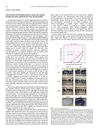
Low level laser or LED therapy combined with infiltrations may help hair growth.
 23 citations
,
September 2011 in “Journal of Dermatological Science”
23 citations
,
September 2011 in “Journal of Dermatological Science” Red LED light helps mouse hair grow by increasing growth factors from skin cells.
 January 2026 in “Journal of Hard Tissue Biology”
 Red LED light boosts cell activity and growth, aiding wound healing and blood vessel repair.