3 citations
,
April 2018 in “JURNAL ILMU KEFARMASIAN INDONESIA” Ambon banana weevil extracts can be used in hair care products to promote hair growth.
 3 citations
,
January 1988 in “PubMed”
3 citations
,
January 1988 in “PubMed” High prolactin levels can cause skin and hair symptoms similar to those caused by hormone imbalances.
 April 2023 in “Journal of Investigative Dermatology”
 Krox20 (Egr2) is important for the function of epithelial stem cells.
June 2025 in “Formosa Journal of Sustainable Research” Mangkokan leaf extract can fight bacteria and may help prevent hair loss and treat infections.
 April 2024 in “Journal of psychiatric research”
 Short-term finasteride use in male rats caused anxiety, depression, and memory problems.

The new gel with Zinc Oxide nanoparticles and finasteride shows promise for treating hair loss when applied to the skin.
 June 2022 in “Al- Anbar Medical Journal”
 COVID-19 can cause skin problems.
 February 2021 in “Facta Universitatis”
 Too much prolactin can cause menstrual problems, infertility, and sexual issues in women.

The I National Academic Congress of Dermatology in 2021 expanded to include participants from across Brazil and discussed dermatology topics, including COVID-19.
25 citations
,
October 2007 in “Developmental biology” Clim proteins are essential for maintaining healthy corneas and hair follicles.
September 2025 in “Genes & Diseases” Lgr6+ cells are important for tissue repair and could be a target for treating cancer and other diseases.
 73 citations
,
April 2013 in “Stem cells”
73 citations
,
April 2013 in “Stem cells” LGR5 helps maintain corneal cell characteristics and prevents unwanted changes by controlling specific cell signaling pathways.
3 citations
,
August 2024 in “Molecular Biology Reports” LncRNA018392 helps goat skin cells grow by increasing CSF1R.
 10 citations
,
March 2015 in “Journal of dermatology”
10 citations
,
March 2015 in “Journal of dermatology” The boy's severe skin disorder is caused by two new mutations in his TGM1 gene.
4 citations
,
March 2018 in “Animal biotechnology” The LAMTOR3 gene is involved in cashmere goat hair growth and is affected by certain treatments and other genes.
Lichen spinulosus, usually seen in young people, can rarely occur in adults, as shown by a 52-year-old woman with a rough, bumpy rash.
 February 2022 in “Research Square (Research Square)”
 LGR5 is a marker found in hair follicle stem cells in various species and is important for hair growth and skin repair.
1 citations
,
January 2015 in “Hair transplant forum international” Strict regulations may slow down new LLLT treatments.
 9 citations
,
February 2018 in “The Journal of Dermatology”
9 citations
,
February 2018 in “The Journal of Dermatology” A new mutation in the LIPH gene was found to cause a rare hair disorder in a Japanese boy.
5 citations
,
July 2017 in “Molecular Medicine Reports” Lygodium japonicum spores can reduce inflammation by blocking certain cell signals.
 6 citations
,
November 1996 in “Archives of Dermatology”
6 citations
,
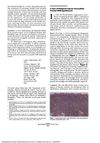
November 1996 in “Archives of Dermatology” A man's relapsed leprosy was successfully treated with the antibiotic sparfloxacin.
February 2018 in “Zenodo (CERN European Organization for Nuclear Research)” High doses of Lagenaria siceraria fruit powder lower FSH and LH hormone levels in male rats.
 November 2025 in “Clinical Cosmetic and Investigational Dermatology”
 LIPH mutations cause woolly hair in some Chinese people.
1 citations
,
January 2025 in “Proceedings of the National Academy of Sciences” LPAR6 has a unique way of binding and activating, which helps in designing treatments for hair loss and cancer.

A woman in Sri Lanka was diagnosed with lupus after presenting with protein loss from the gut and other symptoms.
11 citations
,
January 2014 in “Dermatology” Certain SPINK5 gene mutations are common in Israeli families with Comèl-Netherton syndrome.
 2 citations
,
June 2012 in “Dermatologica Sinica”
2 citations
,
June 2012 in “Dermatologica Sinica” Dermoscopy is useful for diagnosing and monitoring discoid lupus erythematosus by showing specific skin patterns.
503 citations
,
May 2009 in “Cell stem cell” Lrig1 marks a unique group of stem cells in mouse skin that can become different skin cell types.
 149 citations
,
July 2002 in “Dermatologic clinics”
149 citations
,
July 2002 in “Dermatologic clinics” Patients with certain skin symptoms and high ANA titers should be monitored for potential systemic lupus.
50 citations
,
November 1984 in “Journal of Heredity” Lethal-milk mice produce zinc-deficient milk, causing health issues in pups unless supplemented with zinc.