January 2008 in “Projeto: revista mensal de arquitetura” Targeted cancer drugs can cause skin reactions, so dermatologists must manage these effects.
 9 citations
,
February 2012 in “Cancer Chemotherapy and Pharmacology”
9 citations
,
February 2012 in “Cancer Chemotherapy and Pharmacology” The combination of gemcitabine and vinorelbine is effective and safe for treating elderly patients with advanced breast cancer previously treated with anthracyclines and taxanes.
February 2026 in “The Journal of Dermatology” Ritlecitinib effectively regrows scalp, eyebrow, and eyelash hair in Asians with alopecia areata and is safe.
 136 citations
,
April 2013 in “Clinical Cancer Research”
136 citations
,
April 2013 in “Clinical Cancer Research” The drug IPI-926 is safe at 160 mg daily and may help treat certain tumors, especially basal cell carcinoma.
14 citations
,
October 2015 in “Neurochemistry International” Letrozole may help prevent seizures by reducing certain hormone levels.
20 citations
,
May 2023 in “Cancer Nanotechnology” The new drug delivery system effectively targets lung cancer cells.
 September 2022 in “Journal of The American Academy of Dermatology”
 Baricitinib was effective in regrowing eyebrow and eyelash hair in patients with severe alopecia areata.
 June 2023 in “Fundamental & clinical pharmacology”
 JAK inhibitors help treat some diseases but may increase risks of blood clots and cancer in certain patients.
 February 2024 in “Australasian journal of dermatology”
 Janus kinase inhibitors may help treat lichen planopilaris.
January 2023 in “Cutaneous and Ocular Toxicology”  September 2023 in “International Journal of Trichology”
 Tofacitinib helped a woman regrow hair with no major side effects.
 65 citations
,
February 2015 in “Neuro-Oncology”
65 citations
,
February 2015 in “Neuro-Oncology” Alisertib was found to be an effective and tolerable treatment for children with recurrent brain tumors.
 June 2026 in “Eurasian Journal of Medicine”
 Baricitinib effectively regrew hair in a woman with alopecia universalis after other treatments failed.
 1 citations
,
January 2023 in “Cutis”
1 citations
,
January 2023 in “Cutis” The paper concludes that the new medication baricitinib needs further testing in a more diverse group of patients with alopecia areata.
July 2025 in “Zenodo (CERN European Organization for Nuclear Research)” Ritlecitinib helps regrow hair in alopecia areata and is safe for long-term use.
December 2025 in “Actas Dermo-Sifiliográficas” Ritlecitinib is effective and safe for treating severe alopecia areata in people aged 12 and older.
1 citations
,
April 2010 in “Cancer Research” WYE-130600 may cause skin thickening and irritation.
 December 2025 in “Frontiers in Medicine”
 Ritlecitinib successfully treated a child's alopecia universalis after baricitinib failed.
 March 2005 in “Inpharma Weekly”
 China approved Sinovac's flu vaccine, Japan approved RiUP for female hair loss, and Nippon Kayaku's three cancer drugs.
4 citations
,
March 2025 in “The Journal of Dermatology” Ritlecitinib is effective and safe for hair regrowth in Asian patients with alopecia areata.
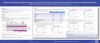 November 2024 in “SKIN The Journal of Cutaneous Medicine”
 Ritlecitinib effectively promotes hair regrowth in severe and very severe alopecia areata.
 April 2016 in “Journal of Investigative Dermatology”
 MEK and BRAF inhibitors increase sebum production and accumulation, which could cause acne-like side effects.
1 citations
,
November 2022 in “Journal of Investigative Dermatology” ALRN-6924 may prevent hair loss caused by chemotherapy.
 June 2024 in “Journal of Clinical Oncology”
 Dalpiciclib is the safest and most satisfying CDK4/6 inhibitor for advanced breast cancer patients in China.
September 2025 in “Bioengineering” The framework helps predict adverse effects of blood thinners, improving drug selection for atrial fibrillation.
11 citations
,
February 2022 in “JAAD case reports” Abrocitinib, a JAK inhibitor, may help treat atopic dermatitis and alopecia universalis together.
96 citations
,
December 2015 in “JAMA dermatology” Topical Ruxolitinib may safely treat severe hair loss.
September 2025 in “Journal of the American Academy of Dermatology” Ritlecitinib may help treat alopecia areata by protecting hair follicles.
 1 citations
,
January 2024 in “Pediatric Endocrinology Diabetes and Metabolism”
1 citations
,
January 2024 in “Pediatric Endocrinology Diabetes and Metabolism” Cinacalcet may help treat hereditary vitamin D resistant rickets safely.
2 citations
,
October 2022 in “Dermatologic Therapy” Baricitinib may effectively treat lichen planopilaris.