 9 citations
,
August 2018 in “Journal der Deutschen Dermatologischen Gesellschaft”
9 citations
,
August 2018 in “Journal der Deutschen Dermatologischen Gesellschaft” Most patients with frontal fibrosing alopecia are middle-aged women, often have thyroid disease, and some treatments can help stabilize the condition.
 76 citations
,
July 2011 in “Clinical, Cosmetic and Investigational Dermatology”
76 citations
,
July 2011 in “Clinical, Cosmetic and Investigational Dermatology” The document concludes that proper diagnosis and FDA-approved treatments for different types of hair loss exist, but treatments for severe cases often fail and future improvements may focus on hair follicle stem cells.
143 citations
,
January 2004 in “Journal of Investigative Dermatology Symposium Proceedings” Alopecia areata is an autoimmune disease causing hair loss, treatable with immune-modulating drugs, and linked to genetics.
January 2026 in “JPRAS Open” PDLLA scalp injections improved hair regrowth in most patients with non-scarring alopecia.
1 citations
,
January 2016 in “Dermatology Online Journal” Triangular temporal alopecia can occur in adults and should be correctly identified to prevent misdiagnosis.
 20 citations
,
March 2017 in “Journal of cutaneous pathology”
20 citations
,
March 2017 in “Journal of cutaneous pathology” Shrinking of oil glands in the skin is a key sign of hair loss linked to TNF inhibitor drugs and may improve if the treatment is stopped.
 1 citations
,
March 2012 in “Indian Journal of Rheumatology”
1 citations
,
March 2012 in “Indian Journal of Rheumatology” Most lupus patients in the study experienced hair loss, which greatly affected their mental and social well-being.
 July 2021 in “PARIPEX INDIAN JOURNAL OF RESEARCH”
 PRP injections significantly improve hair regrowth in alopecia areata.
37 citations
,
March 1998 in “Lupus” Aggressive SLE treatment helped hair regrowth and improved oral plaque, but scalp lesions stayed.
 53 citations
,
February 2017 in “Journal of The American Academy of Dermatology”
53 citations
,
February 2017 in “Journal of The American Academy of Dermatology” The conclusion is that high-potency steroids or tacrolimus are effective treatments for erosive pustular dermatosis of the scalp.
 January 2015 in “Hair transplant forum international”
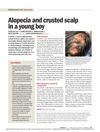
 Up to 10% of hair loss patients might have early signs of a condition called Lichen Planopilaris.
 March 2026 in “Open MIND”
 Early treatment of scalp infections can prevent permanent hair loss.
12 citations
,
January 2014 in “Dermatology online journal” White hair regrowth in alopecia areata may be more common than thought.
9 citations
,
July 2019 in “Dermatologic therapy” Alitretinoin can effectively treat frontal fibrosing alopecia.
1 citations
,
April 2016 in “Journal of the American Academy of Dermatology” Autoimmune conditions can be linked to trichoepitheliomas, with treatment focusing on cosmetic concerns.
 1 citations
,
May 2017 in “InTech eBooks”
1 citations
,
May 2017 in “InTech eBooks” The document concludes that alopecia areata is an unpredictable autoimmune hair loss condition with no cure, but various treatments exist that require personalized approaches.
 January 2024 in “Archives of pathology & laboratory medicine”
 New findings may help diagnose and understand scarring alopecia better.
13 citations
,
February 2025 in “Journal of the European Academy of Dermatology and Venereology” Ritlecitinib shows promise for treating alopecia areata, especially with early and extended treatment.
November 2024 in “Dermatology Online Journal” Light-based therapies show promise as safe treatments for hair loss.
 2 citations
,
August 1994 in “Archives of dermatology”
2 citations
,
August 1994 in “Archives of dermatology” A 19-month-old boy with a rare hair disorder showed mild improvement with treatment, but his family chose gentle hair care due to limited success.
 February 2024 in “Sohag Medical Journal”
 Various local treatments for alopecia areata show promise, but individualized plans and more research are needed.
March 2023 in “Medica Hospitalia: Journal of Clinical Medicine” PRP is a safe and effective treatment for hair growth in alopecia areata.
19 citations
,
July 2017 in “Clinical and experimental dermatology” Men with lichen planopilaris had earlier onset than women, and treatment usually improved the condition.
54 citations
,
January 1980 in “Dermatology” 17α-estradiol lotion can reduce hair loss but doesn't promote new hair growth.
 4 citations
,
June 2017 in “Pharmaceutical and Biological Evaluations”
4 citations
,
June 2017 in “Pharmaceutical and Biological Evaluations” New methods for treating hair loss are being developed.
17 citations
,
June 2016 in “Archives de Pédiatrie” Frontal fibrosing alopecia can occur in children, not just postmenopausal women.
February 2025 in “Vestnik dermatologii i venerologii” Discoid lupus erythematosus can cause scarring hair loss on the scalp, needing ongoing treatment and specialist care.
 April 2022 in “Indexia revista médico - científica”
 Alopecia causes sudden hair loss, possibly due to genetic, environmental, or immune factors.
June 2023 in “Journal of dermatology for physician assistants” Lichen planopilaris should be considered when diagnosing hair loss in people with darker skin as it may be often missed.
 May 2023 in “Scientific Reports”
 The seed extract of Lepidium sativum L. can potentially treat hair loss, showing effects similar to 5% minoxidil.