 7 citations
,
December 2013 in “The Journal of Dermatology”
7 citations
,
December 2013 in “The Journal of Dermatology” A woman's hair turned gray and fell out after starting a cancer drug called imatinib mesylate.
5 citations
,
January 2021 in “Indian Journal of Pharmacology” Nilotinib can cause generalized keratosis pilaris.
4 citations
,
January 2014 in “Bone marrow transplantation” Alopecia areata can be transferred through stem cell transplants from affected siblings.
1 citations
,
May 2025 in “Indian Dermatology Online Journal” Sorafenib can cause rare skin reactions, but treatment can continue with additional care.
 1 citations
,
February 2015 in “Clinical and Experimental Dermatology”
1 citations
,
February 2015 in “Clinical and Experimental Dermatology” A man got six skin cancers within a year after a cell transplant for leukemia but was cancer-free 32 months later; skin checks are important post-transplant.
February 2026 in “World Academy of Sciences Journal” Lymphoma should be considered in unusual scalp hair loss cases, as treatment can work but may lead to severe complications.
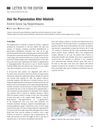 April 2025 in “Turkish Journal of Hematology”
 Nilotinib may cause gray hair to return to its original color.
 February 2024 in “Future science OA”
 Loss of the Y chromosome and UTY gene activity increases cancer risk in men.
 January 2017 in “Brazilian Journal of Pharmaceutical Sciences”
 Arteannuin might work against cancer and Alzheimer's by targeting neprilysin.
 6 citations
,
January 2016 in “Bioorganic & Medicinal Chemistry Letters”
6 citations
,
January 2016 in “Bioorganic & Medicinal Chemistry Letters” Some minoxidil combinations can help differentiate leukemia cells without harming other cells.
 February 2012 in “Community oncology”
 The document concludes that accurately identifying leukemia types is crucial, and the risks of cancer from finasteride need careful evaluation against its benefits.
November 2023 in “Skin Appendage Disorders” A rare scalp condition can occur due to leukemia affecting the skin.
 March 1988 in “Journal of The American Academy of Dermatology”
 The document concludes that misdiagnosis in skin conditions is common, certain treatments can cause allergic reactions, and some skin symptoms are linked to leukemia, especially in certain Japanese regions.
 9 citations
,
May 2013 in “JAMA Dermatology”
9 citations
,
May 2013 in “JAMA Dermatology” Sunlight exposure improved a patient's skin condition, and there may be a link between a certain disease and skin growths; a leukemia treatment caused changes in hair color and growth.
4 citations
,
September 2010 in “Journal of Medical Case Reports” A man developed autoimmune issues after a transplant, improved with treatment, but died from leukemia relapse.
May 2023 in “Blood cancer discovery” Finasteride reduces AML cell growth by inhibiting androgen receptors.
 12 citations
,
August 2022 in “Stem cell reviews and reports”
12 citations
,
August 2022 in “Stem cell reviews and reports” Increasing PBX1 reduces aging and cell death in hair follicle stem cells by boosting SIRT1 and lowering PARP1 activity.
10 citations
,
August 2016 in “Dermatology Online Journal” Nilotinib can cause skin issues like red bumps and hair loss.
2 citations
,
January 2022 in “JAAD Case Reports” The rash resolved after stopping ponatinib.
2 citations
,
February 2021 in “Indian Dermatology Online Journal” Imatinib can cause hair loss due to lichen planopilaris.
20 citations
,
November 1989 in “PubMed” Accurate fungal identification is crucial for proper treatment in immunocompromised patients.
1 citations
,
February 2002 in “Oncology Times” Intravenous arsenic is safe and effective for treating certain blood cancers.
 January 2018 in “General internal medicine and clinical innovations”
 Busulfan/cyclophosphamide and total bone irradiation are equally effective for AML transplants.
 68 citations
,
September 2003 in “British Journal of Dermatology”
68 citations
,
September 2003 in “British Journal of Dermatology” Shrinking skin cancer increases the chance of cancer in nearby lymph nodes.
 63 citations
,
May 2000 in “Australasian Journal of Dermatology”
63 citations
,
May 2000 in “Australasian Journal of Dermatology” Chemotherapy and bone marrow transplant can cause permanent hair loss.
19 citations
,
April 2016 in “Case Reports in Dermatology” Nilotinib can cause keratosis pilaris, a skin condition.
 5 citations
,
March 2015 in “Clinical and Experimental Dermatology”
5 citations
,
March 2015 in “Clinical and Experimental Dermatology” Chemotherapy caused a woman's permanent hair loss and early menopause.
 68 citations
,
November 2011 in “The American journal of pathology”
68 citations
,
November 2011 in “The American journal of pathology” Abnormal Hedgehog signaling in blood cancers may help tumors grow and resist chemotherapy, suggesting potential for targeted treatments.
28 citations
,
December 2001 in “European Journal of Pharmacology” M50054 may help treat hepatitis and hair loss from chemotherapy.
 2 citations
,
January 2019 in “Springer eBooks”
2 citations
,
January 2019 in “Springer eBooks” The conclusion is that different blood diseases cause specific oral symptoms and require varied treatments to manage these symptoms and improve patient health.