37 citations
,
February 2007 in “Experimental Dermatology” Increasing PDCD4 protein may help prevent or treat some skin cancers.
 1 citations
,
August 2024 in “Transgenic Research”
1 citations
,
August 2024 in “Transgenic Research” Activated β-catenin affects hair growth and skin thickness, and changes are reversible.
March 2022 in “Veterinary dermatology” A one-year-old cat had multiple benign skin tumors similar to those known in humans.
 55 citations
,
November 2018 in “American journal of human genetics”
55 citations
,
November 2018 in “American journal of human genetics” Mutations in the LSS gene cause a rare type of hereditary hair loss.
1 citations
,
April 2016 in “Journal of the American Academy of Dermatology” Autoimmune conditions can be linked to trichoepitheliomas, with treatment focusing on cosmetic concerns.
11 citations
,
July 2012 in “Experimental dermatology” Innate immunity genes in hair follicle stem cells might have new roles beyond traditional immune functions.
40 citations
,
November 2005 in “The journal of investigative dermatology/Journal of investigative dermatology” Different melanocyte types in hair follicles either survive or die during the catagen phase.
Lichen planus commonly affects middle-aged adults, often involves limbs and mucosal areas, and can be linked to immune diseases.
9 citations
,
November 2013 in “Journal of Investigative Dermatology” Overexpressing CtBP1 in skin cells causes skin and hair problems.
Lichen spinulosus, usually seen in young people, can rarely occur in adults, as shown by a 52-year-old woman with a rough, bumpy rash.
10 citations
,
May 2023 in “Journal of Investigative Dermatology” Actinic keratosis is more common in older men with certain genetic traits, but smoking seems to reduce its odds.
 25 citations
,
January 2011 in “Annals of Dermatology”
25 citations
,
January 2011 in “Annals of Dermatology” Erlotinib can cause hair loss as a side effect.
27 citations
,
July 1983 in “Journal of Investigative Dermatology” 
Melanocytes can regenerate around hair follicles in bullous pemphigoid, especially in patients with darker skin.
Epidermal stem cells help renew skin and heal wounds, influenced by specific proteins and markers.
February 2021 in “PubMed” A 2-year-old girl had a hair disorder not shared by her identical twin.
 September 2021 in “CRC Press eBooks”
 Lichen planopilaris causes permanent hair loss and scarring due to damage to hair follicles and can be mistaken for other hair loss conditions.
 January 2012 in “Durham e-Theses (Durham University)”
 Keratin 15 affects cell behavior and characteristics in skin cells.
 4 citations
,
June 2021 in “Wounds-a Compendium of Clinical Research and Practice”
4 citations
,
June 2021 in “Wounds-a Compendium of Clinical Research and Practice” Chronic scalp lesions with crusts and pus that heal with strong topical steroids suggest Erosive Pustular Dermatosis, confirmed by biopsy showing specific immune cells.
53 citations
,
October 2003 in “Genetics” The mK6irs1/Krt2-6g gene likely causes wavy hair in mice.
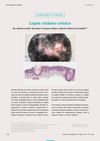 January 2024 in “Revista Dermatológica Centro Uraga”
 The patient has Chronic Cutaneous Lupus, a skin condition causing plaques and hair loss.
24 citations
,
January 1985 in “Dermatology” Higher levels of certain immune cells in hair follicles may contribute to alopecia areata.
January 2008 in “Medical Entomology and Zoology” July 2004 in “TSpace (University of Toronto)” A rare case showed alopecia areata and lichen planus occurring together in one person.
 5 citations
,
May 2006 in “Dermatologic Surgery”
5 citations
,
May 2006 in “Dermatologic Surgery” Radiation therapy successfully treated an elderly man's skin cancer and pre-cancerous scalp lesions.
 May 2006 in “Dermatologic Surgery”
 Radiation therapy successfully treated an elderly man's skin cancer and pre-cancerous scalp lesions.
26 citations
,
August 2007 in “Annals of Anatomy - Anatomischer Anzeiger” Feathers become harder as they develop due to a change in keratin type.
 December 2023 in “Journal of General Procedural Dermatology and Venereology Indonesia”
 A 61-year-old Filipino man had a skin condition that looked like another disease, making diagnosis difficult.
1 citations
,
January 2013 Glucosylceramides are essential for healthy skin and proper wound healing.
 March 2025 in “American Journal of Medical Genetics Part A”
 A rare genetic variant linked to skin cysts was found in blood DNA, suggesting its role in cyst formation.