 January 2024 in “Dermatology Practical & Conceptual”
 Spotted lunula may help identify alopecia areata.
 October 2023 in “Case reports in dermatological medicine”
 A Jordanian family with Clouston syndrome has a common GJB6 gene mutation.
 September 2023 in “Cureus”
 Nails can reveal important health information about skin and body conditions.
 June 2017 in “Journal of evolution of medical and dental sciences”
 About 22% of cancer patients had skin-related side effects from chemotherapy, but these were usually not severe enough to halt treatment.
 April 2016 in “Journal of The American Academy of Dermatology”
 The study found that Temporal Triangular Alopecia often starts in early childhood, mainly affects the left side of the scalp, and has no effective treatment except surgery.
 April 2016 in “Journal of The American Academy of Dermatology”
 The study found that Temporal Triangular Alopecia often starts in early childhood, while Folliculitis Decalvans is characterized by tufted hairs and redness around hair follicles.
 1 citations
,
October 2019 in “International journal of contemporary pediatrics”
1 citations
,
October 2019 in “International journal of contemporary pediatrics” A 12-year-old boy with twenty nail dystrophy, a condition affecting all nails, was treated conservatively due to its self-limiting nature and good prognosis.
 2 citations
,
August 2013 in “British Journal of Dermatology”
2 citations
,
August 2013 in “British Journal of Dermatology” Chemotherapy improved a girl's painful foot condition linked to pachyonychia congenita.
 February 2025 in “Indian Dermatology Online Journal”
 Pincer nails are rare in lupus patients and may be managed conservatively.
2 citations
,
July 2016 in “Veterinary dermatology” Hyperaesthetic leucotrichia in horses causes painful, recurring skin lesions and hair color changes, especially in Arabian and American paint horses.
2 citations
,
May 2024 in “International Journal of Dermatology”  January 2020 in “Medpulse International Journal of Medicine”
 Nail and hair changes are common in severe chronic kidney disease and should be treated to improve patients' quality of life.
17 citations
,
April 1997 in “American Journal of Dermatopathology” PC-associated alopecia has unique microscopic features.
 1 citations
,
December 2016 in “Journal of Evolution of Medical and Dental Sciences”
1 citations
,
December 2016 in “Journal of Evolution of Medical and Dental Sciences” Hemodialysis patients often experience skin issues like dryness and itching, linked to certain blood chemical levels.
 July 2021 in “British Journal of Dermatology”
 The pandemic likely caused delays in skin cancer assessments, leading to fewer early diagnoses and thicker melanomas.
10 citations
,
August 2016 in “Dermatology Online Journal” Nilotinib can cause skin issues like red bumps and hair loss.
 September 1998 in “Journal of The European Academy of Dermatology and Venereology”
 Old people's nails often have problems due to body changes, more diseases, and self-care difficulties, affecting their movement and hand use.
June 2021 in “The Journal of Family Practice” A 69-year-old woman has a fast-growing hand lesion that didn't improve with salicylic acid.
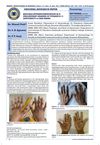 July 2021 in “PARIPEX INDIAN JOURNAL OF RESEARCH”
 Knuckle darkening can be an early sign of vitamin B12 deficiency.
4 citations
,
February 2018 in “Annales de Dermatologie et de Vénéréologie” Onychomatricome is a benign nail tumor with specific dermoscopic features that help distinguish it from cancer.
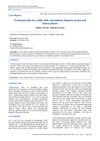 February 2021 in “International journal of research in dermatology”
 A boy's hair, nails, and skin improved after 6 months of steroid treatment.
 18 citations
,
March 1974 in “Acta dermato-venereologica”
18 citations
,
March 1974 in “Acta dermato-venereologica” Chronic kidney disease can cause skin and nail problems.
13 citations
,
April 2009 in “Journal der Deutschen Dermatologischen Gesellschaft” Nail disorders not caused by infection are common and can look similar, with psoriasis being the most frequent and having specific nail symptoms.
 March 2024 in “Indian Journal of Dermatology”
 The man was diagnosed with Cronkhite-Canada syndrome, a rare disorder with GI polyps, skin issues, hair loss, and nail problems.
 1 citations
,
November 2025 in “Journal of Korean Medical Association”
1 citations
,
November 2025 in “Journal of Korean Medical Association” Recognizing nail changes helps diagnose and treat non-infectious skin diseases.
 391 citations
,
January 2010 in “Journal of The American Academy of Dermatology”
391 citations
,
January 2010 in “Journal of The American Academy of Dermatology” Half of people with Alopecia Areata may see hair regrowth within a year without treatment, but recovery is unpredictable.
 157 citations
,
August 2010 in “Lupus”
157 citations
,
August 2010 in “Lupus” The document concludes that recognizing and treating cutaneous lupus erythematosus early is crucial for managing the skin and potential systemic symptoms.
 151 citations
,
February 2007 in “International Journal of Dermatology”
151 citations
,
February 2007 in “International Journal of Dermatology” Alopecia areata causes hair loss, has no cure, and various treatments exist.
 144 citations
,
September 2006 in “Clinics in Dermatology”
144 citations
,
September 2006 in “Clinics in Dermatology” Lupus affects the body and skin, causing joint pain and skin issues that can be treated with steroids and antimalarial drugs.
 141 citations
,
September 2016 in “European Journal of Dermatology”
141 citations
,
September 2016 in “European Journal of Dermatology” Taxane chemotherapy can cause skin, hair, and nail side effects, which are often under-reported and can affect patient quality of life.