 8 citations
,
May 2021 in “Journal of the European Academy of Dermatology and Venereology”
8 citations
,
May 2021 in “Journal of the European Academy of Dermatology and Venereology” A COVID-19 patient had unusual nail discoloration and nail separation possibly due to the virus's effects on small blood vessels.
35 citations
,
September 2004 in “American Journal of Dermatopathology” A rare nail bed cancer was successfully treated with no recurrence after 4 years.
 2 citations
,
August 2014 in “Archivos argentinos de pediatría”
2 citations
,
August 2014 in “Archivos argentinos de pediatría” A 6-year-old girl with Turner syndrome also had psoriasis, alopecia areata, and trachyonychia.
6 citations
,
October 2006 in “International Journal of Dermatology” Hair splitting and nail detachment are linked conditions.
 January 2023 in “Indian dermatology online journal”
 A boy with Pachyonychia congenita has a confirmed gene mutation, highlighting the need for a local genetic database in India.
 3 citations
,
August 2022 in “Cutis”
3 citations
,
August 2022 in “Cutis” Certain nail conditions can suggest thyroid problems, with different symptoms for underactive (slow, thin nails) and overactive (spoon-shaped, brittle nails) thyroid.
 5 citations
,
October 2019 in “The journal of investigative dermatology/Journal of investigative dermatology”
5 citations
,
October 2019 in “The journal of investigative dermatology/Journal of investigative dermatology” The research linked PLCD1 gene variants to the development of trichilemmal cysts.
 January 2018 in “Elsevier eBooks”
 Different nail disorders are treated by targeting their specific causes and using appropriate medications or protective measures.
June 2025 in “British Journal of Dermatology” Consider amyloidosis in patients with specific nail changes and check for systemic issues.
November 2022 in “Indian Journal of Dermatology/Indian journal of dermatology” Valproic acid can cause dark lines on nails.
 January 2023 in “Indian dermatology online journal”
 Leukemia can sometimes appear as unusual skin issues in children.
6 citations
,
May 2002 in “British journal of dermatology/British journal of dermatology, Supplement” A rare skin condition linked to leukemia improved with chemotherapy.
February 2022 in “Authorea (Authorea)” PAON shows skin patterns due to genetic mosaicism.
5 citations
,
January 2021 in “Indian Journal of Pharmacology” Nilotinib can cause generalized keratosis pilaris.
61 citations
,
September 1994 in “Journal of Medical Genetics” Pachyonychia congenita is linked to a keratin gene on chromosome 17.
August 2021 in “Indian dermatology online journal” A young boy with a rare skin and nail condition improved significantly with simple topical treatments.
30 citations
,
May 1980 in “Journal of the American Academy of Dermatology” Alopecia areata can cause spotty white areas on nails.
 9 citations
,
May 2013 in “JAMA Dermatology”
9 citations
,
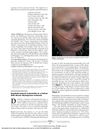
May 2013 in “JAMA Dermatology” A woman's hair turned white after taking a cancer drug called dasatinib.
21 citations
,
December 2014 in “Pediatric Dermatology” Most children with pediatric trachyonychia improve over time, regardless of treatment.
2 citations
,
December 2013 in “The Journal of Dermatology” 2 citations
,
March 2020 in “JAAD case reports” A leukemia patient showed skin peeling similar to kwashiorkor, a severe protein deficiency.
 76 citations
,
August 2007 in “Supportive care in cancer”
76 citations
,
August 2007 in “Supportive care in cancer” Chemotherapy often causes skin, nail, and hair side effects, significantly impacting quality of life.
 55 citations
,
November 2004 in “Expert opinion on drug safety”
55 citations
,
November 2004 in “Expert opinion on drug safety” Chemotherapy often causes hair loss, nail changes, and mouth issues, but these are usually manageable.
 7 citations
,
May 2014 in “Clinical practice”
7 citations
,
May 2014 in “Clinical practice” Cooling the scalp may prevent hair loss from chemotherapy, hair often grows back after treatment, and nail issues usually improve after stopping the drug.
 4 citations
,
April 2016 in “Journal of The American Academy of Dermatology”
4 citations
,
April 2016 in “Journal of The American Academy of Dermatology” Microneedling with platelet-rich plasma can improve different types of hair loss.
 2 citations
,
January 2024 in “European Journal of Case Reports in Internal Medicine”
2 citations
,
January 2024 in “European Journal of Case Reports in Internal Medicine” Beau's lines on fingernails might indicate past severe COVID-19 and risk of reinfection.
 2 citations
,
June 2018 in “Journal of the American Academy of Dermatology”
2 citations
,
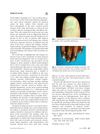
June 2018 in “Journal of the American Academy of Dermatology” Alopecia areata causes varying hair loss and nail changes, and treatments include topical, systemic, and injectable therapies.
 2 citations
,
March 2015 in “Expert opinion on orphan drugs”
2 citations
,
March 2015 in “Expert opinion on orphan drugs” New treatments for hair loss show promise but need more research to confirm safety and effectiveness.
 January 2026 in “Dermatology Practical & Conceptual”
 Nail changes are common in alopecia areata and can indicate its severity.
 January 2025 in “International Journal of Dermatology Sciences”
 Nail changes in alopecia areata are common and may indicate severity and genetic risk.