 October 2023 in “International Journal of Science and Research (IJSR)”
 Early diagnosis of GLPLS is crucial to prevent complications, but scarring alopecia is irreversible.
 September 2023 in “Clinical, cosmetic and investigational dermatology”
 SLFC can improve scalp health and reduce sensitive scalp symptoms.
 June 2025 in “Dermatologic Surgery”
 GFC improves hair quickly, while PRP offers longer-lasting benefits; using both sequentially is recommended.
 11 citations
,
May 2023 in “Journal of Cutaneous Medicine and Surgery”
11 citations
,
May 2023 in “Journal of Cutaneous Medicine and Surgery” Plasma Rich in Growth Factors may help reduce hair loss in Frontal Fibrosing Alopecia.
 5 citations
,
April 2019 in “Journal of The American Academy of Dermatology”
5 citations
,
April 2019 in “Journal of The American Academy of Dermatology” Frontal Fibrosing Alopecia may be a complex condition linked to hormonal changes in women, not just a form of Lichen Planopilaris.
July 2021 in “Authorea (Authorea)” Graham-Little Piccardi Lassueur Syndrome is a rare skin condition with specific hair loss and skin symptoms.
 May 2014 in “Clinical and Experimental Dermatology”
 A 70-year-old woman with a rare skin condition improved after treatment with topical steroids and acitretin.
 February 2021 in “Dermatologic Therapy”
 Injections improve hair growth, density, and thickness in women safely.
 45 citations
,
January 2014 in “International Journal of Trichology”
45 citations
,
January 2014 in “International Journal of Trichology” Low-level laser therapy helps male and female hair loss alone or with other treatments.
 47 citations
,
February 2019 in “Journal of The American Academy of Dermatology”
47 citations
,
February 2019 in “Journal of The American Academy of Dermatology” LGBT individuals have unique skin health needs, including higher STD risks and side effects from gender-affirming treatments, requiring dermatologists to offer knowledgeable and culturally competent care.
1 citations
,
December 2020 in “Medical lasers” The laser therapy device effectively increased hair growth in people with androgenetic alopecia.
The document recommends a multidisciplinary approach and experience sharing to advance facial feminization surgery as a medical field.
 5 citations
,
April 2014 in “The American Journal of Dermatopathology”
5 citations
,
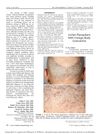
April 2014 in “The American Journal of Dermatopathology” Foreign-body granuloma may be a marker for late-stage Lichen Planopilaris and should be considered in diagnosis.
82 citations
,
July 2012 in “Brain pathology” High LGR5 levels in glioblastoma indicate poor prognosis and are essential for cancer stem cell survival.
 89 citations
,
February 2002 in “Australasian journal of dermatology”
89 citations
,
February 2002 in “Australasian journal of dermatology” A premenopausal woman had hair loss and skin issues, treated with topical steroids.
 October 2025 in “Asian Journal of Oral Health and Allied Sciences”
 Autologous growth factor concentrate therapy shows promise for treating early-stage hair loss safely and effectively.
 March 2026 in “bioRxiv (Cold Spring Harbor Laboratory)”
 The Enriched-GF method efficiently produces high-yield growth factors for tissue repair.
 8 citations
,
October 2020 in “Lasers in Medical Science”
8 citations
,
October 2020 in “Lasers in Medical Science” LLLT helps treat hair loss by increasing blood flow, reducing inflammation, and stimulating growth factors.
 March 2024 in “Journal of Cosmetic Dermatology”
 Laser-pretreated blood for hair loss treatment was more effective and increased stem cells.
Orthognathic surgeons play a key role in modifying masculine facial features to be more feminine, often improving transgender women's quality of life.
 14 citations
,
June 2021 in “British journal of dermatology/British journal of dermatology, Supplement”
14 citations
,
June 2021 in “British journal of dermatology/British journal of dermatology, Supplement” Experts agreed on guidelines to improve research on Frontal Fibrosing Alopecia.
 21 citations
,
August 2013 in “Journal of Dermatological Treatment”
21 citations
,
August 2013 in “Journal of Dermatological Treatment” Low-level light therapy may help hair regrowth, but more research is needed.
 September 2013 in “Hair transplant forum international”
 The document says doctors should identify and treat Frontal fibrosing alopecia medically before considering surgery, as treatments often don't work well.
3 citations
,
March 2024 in “Journal of the American Academy of Dermatology” Low-dose naltrexone helps improve symptoms and stabilize frontal fibrosing alopecia and lichen planopilaris.
 6 citations
,
November 2012 in “Hair transplant forum international”
6 citations
,
November 2012 in “Hair transplant forum international” The Laxometer helps make hair transplants with many grafts safer.
 1 citations
,
September 2021 in “CRC Press eBooks”
1 citations
,
September 2021 in “CRC Press eBooks” Frontal Fibrosing Alopecia is a hair loss condition mainly affecting postmenopausal women, with unclear causes and various clinical patterns.
January 2026 in “Biomacromolecules” A new method using nanolipogels with fucosterol can help regrow hair by targeting follicles, reducing inflammation, and improving blood flow.
158 citations
,
June 2014 in “Journal of Lipid Research” Lysophospholipids can act as anti-inflammatory agents through specific receptors, but more research is needed.
 7 citations
,
September 2014 in “European Journal of Dermatology”
7 citations
,
September 2014 in “European Journal of Dermatology” Thicker hair grows faster; hair loss patients have slower growth.
 10 citations
,
March 2015 in “Journal of dermatology”
10 citations
,
March 2015 in “Journal of dermatology” The boy's severe skin disorder is caused by two new mutations in his TGM1 gene.