Search
for
Sort by
Research
630-660 / 1000+ resultsresearch Synthesis, antiproliferative, acute toxicity and assessment of antiandrogenic activities of some newly synthesized steroidal lactams
research Low-dose (2.5 mg/day) finasteride treatment in hirsutism
Low-dose finasteride effectively reduces hirsutism without serious side-effects.
research Simultaneous determination of multi-class active pharmaceutical ingredients by UHPLC-HRMS
A new method was developed to accurately detect and measure 47 different drug ingredients in various products.

research Synthesis and Biological Evaluation of 4-(4-(Alkyl-and Phenylaminocarbonyl)benzoyl)benzoic Acid Derivatives as Non-steroidal Inhibitors of Steroid 5α-Reductase Isozymes 1 and 2
The compound 4c effectively inhibits the enzyme linked to hair loss.
research Corticotropin-releasing hormone inhibits autophagy by suppressing PTEN to promote apoptosis in dermal papilla cells
CRH causes hair loss by reducing autophagy and increasing cell death in hair cells.
research The Impact of Glucagon-like Peptide-1 Receptor Agonists on Erectile Function: Friend or Foe?
The effect of GLP-1 RAs on erectile function is unclear and needs more research.
research Follicular delivery of a novel peptide therapeutic for the treatment of androgenic alopecia
A new peptide, murikal/SPR4, was found to significantly increase hair growth in mice, and its liposomal topical formulations enhanced hair growth more than commercial products. However, results on human scalp skin were unclear, needing more tests.
research Therapeutic anti-inflammatory potential of formyl-peptide receptor agonists
Formyl-peptide receptor agonists could be new anti-inflammatory drugs.
research The use of low-level light therapy in the treatment of androgenetic alopecia and female pattern hair loss
Low-level light therapy may help hair regrowth, but more research is needed.
research Therapeutic Androgen Receptor Ligands
Androgens and SARMs play a role in body mass, frailty, skin health, and hair growth, and are used in treating prostate cancer, acne, and hair loss, with potential for new uses and improved versions in the future.
research The use of oral pioglitazone in the treatment of lichen planopilaris
Pioglitazone may help treat lichen planopilaris, but more research is needed.
research ANTIANDROGEN TREATMENT OF POLYCYSTIC OVARY SYNDROME
Antiandrogen treatments combined with oral contraceptives can help manage hair growth and hair loss in women with PCOS.
research Ultra-low dose estradiol and dydrogesterone for the treatment of menopausal symptoms in a pooled, multi-ethnic population
The treatment effectively reduces menopausal symptoms and is well tolerated.

research Efficacy and tolerability of HDMHG0401-10 in Patients with Androgenetic Alopecia: A Randomized Double-blind Placebo-controlled Trial
HDMHG0401-10 treatment significantly improved hair count and was better than a placebo in reducing hair loss in men with hereditary hair loss, with no major side effects.
research Spironolactone therapy in hypertrichosis
Spironolactone may help treat excessive hair growth in girls, but more research is needed.
research The Effect of LhGH on Hair Regeneration in C57BL/6CrN Mouse
LhGH promotes hair growth and prevents hair loss in mice.
research Hiperandrogenismo tras la menopausia
A postmenopausal woman's increased male hormone levels were successfully treated with surgery.
research International Society for the Study of Women's Sexual Health Clinical Practice Guideline for the Use of Systemic Testosterone for Hypoactive Sexual Desire Disorder in Women
Testosterone therapy can help postmenopausal women with low sexual desire if monitored carefully.
research Diagnostik und Therapie der kutanen Androgenisierung im klimakterischen Übergang sowie in der Peri- und Postmenopause: Hirsutismus und Alopezie
Hirsutism and alopecia during menopause can be diagnosed and treated with specific hormonal and topical therapies.
research Oral Low-Dose Naltrexone in the Treatment of Frontal Fibrosing Alopecia and Lichen Planopilaris: An Uncontrolled Open-Label Prospective Study
Low-dose naltrexone may help reduce redness in certain scalp conditions.
research Sex hormones and related compounds, including hormonal contraceptives
Exposure to certain sex hormones can increase health risks, while some hormone therapies may offer benefits for specific conditions.
research Synthesis and Pharmacological Evaluation of New 16-Methyl Pregnane Derivatives.
New pregnane derivatives were more effective than finasteride at inhibiting a key enzyme for male pattern baldness.
research Efficacy and safety of 5 alpha-reductase inhibitor monotherapy in patients with benign prostatic hyperplasia: A meta-analysis
5 alpha-reductase inhibitors can slightly improve symptoms of enlarged prostate but have a high risk of sexual side effects.

research Androgen excess: Investigations and management
The conclusion is that managing androgen excess requires long-term treatment, including hormonal contraceptives and androgen blockers, with follow-up after six months.
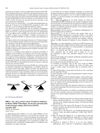
research DHEA : why, when, and how much ? D’après la conférence de Bruno Allolio (Wuerzburg), 50e Journées internationales d’endocrinologie clinique Henri-Pierre KLOTZ, septembre 2007
DHEA supplementation may improve quality of life, neuropsychological functions, and sexual satisfaction in individuals with adrenal insufficiency, but more research is needed to confirm its safety and effectiveness.
research Improving efficacy and maintaining safety in the treatment of alopecia with low-dose oral minoxidil and spironolactone combination therapy: A retrospective review
Combining low-dose oral minoxidil and spironolactone may improve hair growth safely.
research AKR1D1 regulates glucocorticoid availability and glucocorticoid receptor activation in human hepatoma cells
AKR1D1 controls glucocorticoid levels and receptor activity in liver cells.

research Molecular docking of Vitamin D3 Receptor (VDR) with potential herbal substance as ligand to prevent excessive hair loss in menopausal women
Certain herbal compounds might help prevent hair loss in menopausal women by activating Vitamin D receptors.
research The Role of Oral Contraceptives in the Treatment of Hyperandrogenic Disorders
Oral contraceptives help treat hyperandrogenic disorders, improving symptoms like excessive hair and acne.