37 citations
,
August 2024 in “Current Issues in Molecular Biology” Keratins 6, 16, and 17 increase in damaged or diseased skin and may help diagnose skin issues.
 September 2017 in “Journal of Investigative Dermatology”
 The study found that sweat glands normally suppress immune responses, but this is disrupted in certain skin diseases, possibly contributing to their development.
Skin changes throughout life, from development before birth to aging effects like wrinkles, influenced by both genetics and environment.
 4 citations
,
January 2012 in “Elsevier eBooks”
4 citations
,
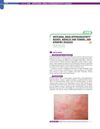
January 2012 in “Elsevier eBooks” The document concludes that various skin conditions have specific treatments, ranging from antihistamines for urticaria to surgery and medication for tumors and chronic skin diseases.
 1 citations
,
February 1988 in “The BMJ”
1 citations
,
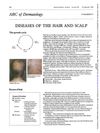
February 1988 in “The BMJ” The document explains different hair and scalp conditions, including common hair loss after pregnancy or illness, drug-induced hair loss, hereditary excessive hair growth, patterned baldness, autoimmune hair loss, and permanent loss due to skin disease, with generally limited treatment options.
 December 2025 in “Portuguese Journal of Dermatology and Venereology”
 Erosive palmoplantar lichen planus in North-East India mainly affects the feet and often involves nails, with unique inflammatory skin changes.
 7 citations
,
January 2015 in “Current problems in dermatology”
7 citations
,
January 2015 in “Current problems in dermatology” Hair loss can be caused by stress, infections, drugs, and various diseases, with treatment depending on accurate diagnosis.
 October 2025 in “Journal of Pharmacy And Bioallied Sciences”
 Post-COVID, many patients experience skin issues like hair loss and herpes reactivation, especially in middle-aged women.
2 citations
,
December 2024 in “Journal of Dermatological Treatment” IL-23 inhibitors may help treat other skin conditions, but more research is needed.
June 2025 in “JEADV Clinical Practice” Scarring alopecia is linked to higher rates of vitamin D deficiency, metabolic issues, mental health problems, thyroid disease, and other health conditions.
 September 2023 in “International Journal of Dermatology”
 Younger people are at a higher risk for Fibrosing Alopecia in a Pattern Distribution than previously thought, with common symptoms and possible involvement of mast cells in its development.
 September 2023 in “JEADV Clinical Practice”
 People with common hair loss conditions may have a higher risk of heart disease and related health issues.
38 citations
,
January 2017 in “PPAR Research” PPAR-γ helps control skin oil glands and inflammation, and its disruption can cause hair loss diseases.
1 citations
,
May 2024 in “Journal of Clinical Medicine” Depression and skin autoimmune diseases are linked, needing combined care for better treatment.
1 citations
,
January 2018 in “Skin appendage disorders” The complement system might be involved in the development of alopecia areata and could lead to new treatments.
 26 citations
,
March 2014 in “Journal of cutaneous medicine and surgery”
26 citations
,
March 2014 in “Journal of cutaneous medicine and surgery” Topical vitamin D is useful for some skin conditions but not effective for others, and more research is needed.
10 citations
,
February 2012 in “Journal of Clinical Investigation” Advancements in skin and hair biology improve dermatology care and cosmetic treatments.
 August 2024 in “Journal of Clinical Medicine”
 Systemic treatments like hydroxychloroquine and cyclosporine A help with Lichen Planopilaris and Frontal Fibrosing Alopecia, but ongoing treatment is needed.
71 citations
,
October 2017 in “Journal of Investigative Dermatology” PPAR-γ agonists like pioglitazone may help manage lichen planopilaris but don't fully reverse scarring.
2 citations
,
January 2010 in “PubMed” Current treatments for postmenopausal frontal fibrosing alopecia stop hair loss but don't regrow hair.
 1 citations
,
September 2022 in “Nepal journal of dermatology, venereology & leprology”
1 citations
,
September 2022 in “Nepal journal of dermatology, venereology & leprology” Apremilast shows promise for several skin conditions but needs more research.
 September 2013 in “Hair transplant forum international”
 The document says doctors should identify and treat Frontal fibrosing alopecia medically before considering surgery, as treatments often don't work well.

Customized dermatological treatments effectively address gaps in standard products, especially for complex cases.
 July 2023 in “Journal of Clinical Medicine”
 The document concludes that understanding hair follicle histology and the hair cycle is crucial for diagnosing alopecia.
 April 2026 in “American Journal of Dermatopathology”
 Increased blood vessel growth in lichen planopilaris may signal active disease needing aggressive treatment.
September 2025 in “International Journal of Medical Informatics” A machine learning model can predict scarring in lichen planopilaris using factors like vitamin D levels and diagnostic delay.
January 2026 in “JAMA Dermatology” ICD codes for skin conditions vary in accuracy, needing better validation for some common conditions.
 November 2016 in “Journal of Evolution of Medical and Dental Sciences”
 Elderly people often have skin issues like wrinkles, dryness, and benign tumors, needing special dermatology care.
 April 2024 in “Journal of Investigative Dermatology”
 Using quantitative traits in genetics can improve understanding and management of skin health and conditions.
 May 2023 in “Frontiers in Endocrinology”
 Thyroid disease can cause skin, hair, and nail problems, and treating the thyroid condition often improves these symptoms.