Search
for
Sort by
Research
570-600 / 1000+ results
research High-confidence cancer patient stratification through multiomics investigation of DNA repair disorders
CEP135 may predict cancer outcomes, and targeting PLK1 could help treat certain sarcomas.
research Independent genomewide screens identify the tumor suppressor VTRNA2-1 as a human epiallele responsive to periconceptional environment
The environment around the time of conception can change the VTRNA2-1 gene in a way that lasts for years and may affect disease risk.
research Correlation and regression analysis of the KRT27 and ELOVL4 genes in cashmere fineness and other production performances in Liaoning cashmere goats
Certain gene combinations improve cashmere quality and production in Liaoning goats.
research Whole Genome Scan and Selection Signatures for Climate Adaption in Yanbian Cattle
The CORT, FGF5, and CD36 genes are crucial for the cold weather adaptation of Yanbian cattle.
research Author response: Deletion of the MAD2L1 spindle assembly checkpoint gene is tolerated in mouse models of acute T-cell lymphoma and hepatocellular carcinoma
Deleting the MAD2L1 gene is tolerated in certain mouse cancer models.
research Integrating whole-genome re-sequencing and transcriptome data to reveal the molecular mechanism of TBX5 gene regulating feathered feet in Guangxi native chickens
TBX5 gene influences feathered feet in Guangxi chickens by affecting cell growth and movement.

research Noggin overexpression inhibits eyelid opening by altering epidermal apoptosis and differentiation
Noggin overexpression delays eyelid opening by affecting cell death and skin cell development.

research SOX11 and SOX4 drive the reactivation of an embryonic gene program during murine wound repair
SOX11 and SOX4 help skin cells act like embryonic cells to heal wounds in mice.
research Hairless down-regulates expression of Msx2 and its related target genes in hair follicles
Hairless protein reduces Msx2 gene activity, affecting hair follicle development.
research Faculty Opinions recommendation of Lrig1 expression defines a distinct multipotent stem cell population in mammalian epidermis.
Lrig1 marks a unique group of stem cells in mouse skin that can become different skin cell types.
research A mutation in MAP2 is associated with prenatal hair follicle density
A mutation in the MAP2 gene causes reduced hair follicle density, leading to hairlessness.
research Canonical WNT signaling promotes mammary placode development and is essential for initiation of mammary gland morphogenesis
WNT signaling is crucial for starting mammary gland development.
research The focal adhesion protein PINCH-1 associates with EPLIN at integrin adhesion sites
PINCH-1 is crucial for skin cell adhesion and movement, working with EPLIN and ILK.

research The Suppression of Very Long Chain Fatty Acids Is Associated with Skin Carcinogenesis
Suppressing very long chain fatty acids is linked to skin cancer.
research Ornithine decarboxylase activity in relation to DNA synthesis in mouse interfollicular epidermis and hair follicles

research Tcf3 and Lef1 regulate lineage differentiation of multipotent stem cells in skin
Tcf3 and Lef1 are key in deciding skin stem cell roles.
research Association of basonuclin with ability of keratinocytes to multiply and with absence of terminal differentiation.
Basonuclin helps keratinocytes multiply and prevents them from fully maturing.
research 0749 Serine and arginine-rich splicing factor 3 regulates epidermal differentiation in cutaneous squamous cell carcinoma
research A WWP2–PTEN–KLF5 signaling axis regulates odontoblast differentiation and dentinogenesis in mice
WWP2 is crucial for tooth development in mice.
research A Mutation in the Serum and Glucocorticoid-Inducible Kinase-Like Kinase (Sgkl) Gene is Associated with Defective Hair Growth in Mice
A mutation in the Sgkl gene causes defective hair growth in mice.
research The keratin 19 promoter is potent for cell-specific targeting of genes in transgenic mice
The keratin 19 promoter effectively targets genes in specific epithelial cells in mice.

research REV7: a small but mighty regulator of genome maintenance and cancer development
REV7 is crucial for genome stability and cancer treatment, making it a potential target for therapy.
research CD133-positive dermal papilla-derived Wnt ligands regulate postnatal hair growth
Wnt proteins from certain skin cells are crucial for normal hair growth and renewal.
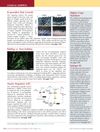
research Clinical Snippets
R-spondin2 may help treat hair loss, gene differences could explain baldness, a peptide's regulation is linked to psoriasis, B-defensin gene copies may affect a skin condition's risk and severity, and potential markers and targets for alopecia areata were identified.
research Comparative immunohistochemical analysis suggests a conserved role of EPS8L1 in epidermal and hair follicle barriers of mammals

research Integration of Biochemical and Mechanical Signals at the Nuclear Periphery: Impacts on Skin Development and Disease
The conclusion is that the nuclear lamina and LINC complex in skin cells respond to mechanical signals, affecting gene expression and cell differentiation, which is important for skin health and can impact skin diseases.
research Integrin-linked kinase inhibition via QLT0267 stops the epithelial outgrowth.
QLT0267 stops hair follicle cell growth and movement.
research Genome‐wide association study identifies variants associated with hair length in Brangus cattle
Scientists found genes linked to hair length in Brangus cattle that could help breed heat-tolerant cattle.
research Identification of Potential Hub Genes in Alopecia Areata
CD8A and FOXD2-AS1 may be key for diagnosing and treating alopecia areata.