 2 citations
,
April 2025 in “Lasers in Medical Science”
2 citations
,
April 2025 in “Lasers in Medical Science” Combining fractional CO2 laser with halometasone cream is more effective for chronic eczema than the cream alone.
 July 2026 in “Organoid Research”
 A unified framework is needed to improve skin organoid construction for research and clinical use.
40 citations
,
September 2019 in “World journal of clinical cases” An elderly man's hair grew back after a treatment that transferred healthy gut bacteria.
 10 citations
,
September 2021 in “International Journal of Nanomedicine”
10 citations
,
September 2021 in “International Journal of Nanomedicine” Tiny particles called extracellular vesicles show promise for treating skin conditions and promoting hair growth.
 August 2025 in “Drug Design Development and Therapy”
 Current treatments for androgenetic alopecia are complex and promising, but more research is needed.
3 citations
,
January 2024 in “Cell Transplantation” Combining platelet concentrates with stem cells improves regenerative therapies.
 38 citations
,
June 2005 in “Contact Dermatitis”
38 citations
,
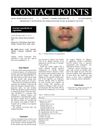
June 2005 in “Contact Dermatitis” Patient had scalp allergy from minoxidil; test helped identify cause and suggest alternative treatments.
 1 citations
,
February 2004 in “Journal of The European Academy of Dermatology and Venereology”
1 citations
,
February 2004 in “Journal of The European Academy of Dermatology and Venereology” Hair loss improved with treatment and successful transplant.
 36 citations
,
April 1990 in “Dermatologic Clinics”
36 citations
,
April 1990 in “Dermatologic Clinics” Most pregnant women experience skin changes like darkening and stretch marks, and some may have skin conditions that usually get better after giving birth.
 2 citations
,
March 2016 in “Obstetrics and Gynecology Clinics of North America”
2 citations
,
March 2016 in “Obstetrics and Gynecology Clinics of North America” The document says that common skin conditions in adult women can be treated effectively, with acne being the most common and early-detected melanoma having a high survival rate.
 September 2014 in “Springer eBooks”
 Aging causes hair to gray and thin, with the timing of graying varying by race, and factors like oxidative stress and genetics can lead to hair loss.
 208 citations
,
July 2001 in “Journal of The American Academy of Dermatology”
208 citations
,
July 2001 in “Journal of The American Academy of Dermatology” Pregnancy can cause various skin changes and diseases, with PUPPP being the most common skin condition specific to pregnancy.
 41 citations
,
October 2017 in “International Journal of Women's Dermatology”
41 citations
,
October 2017 in “International Journal of Women's Dermatology” Most pregnant women experience skin darkening and hair changes, with these effects usually going away after giving birth.
 35 citations
,
December 2014 in “Clinical Obstetrics and Gynecology”
35 citations
,
December 2014 in “Clinical Obstetrics and Gynecology” Most skin changes during pregnancy go away after giving birth.
 35 citations
,
July 2007 in “Dermatologic clinics”
35 citations
,
July 2007 in “Dermatologic clinics” Facial dark spots can be caused by the sun, genetics, makeup, or medicine, and are diagnosed by patient history and skin tests.
 12 citations
,
May 2005 in “Current obstetrics and gynaecology/Current obstetrics & gynaecology”
12 citations
,
May 2005 in “Current obstetrics and gynaecology/Current obstetrics & gynaecology” Hirsutism is too much hair growth in women like the pattern in men, often caused by high male hormones, and can be treated with hormone control and hair removal methods.
 5 citations
,
July 2006 in “Contact dermatitis”
5 citations
,
July 2006 in “Contact dermatitis” Ammonium bisulfite in hair bleach can cause facial eczema.
 2 citations
,
August 1987 in “Australasian Journal of Dermatology”
2 citations
,
August 1987 in “Australasian Journal of Dermatology” Birth control pills can cause skin issues but may help with acne and hirsutism, and choosing the right type can minimize side effects.
 1 citations
,
January 2015 in “Journal of Pigmentary Disorders”
1 citations
,
January 2015 in “Journal of Pigmentary Disorders” Treating melasma in men is difficult, especially for the deeper skin layers, and may need more than just topical treatments.
 March 2026 in “European Journal of Biomedical and Life Sciences”
 Restorative dermopigmentation improves skin appearance and function by addressing specific skin issues.
 February 2023 in “Indian journal of private psychiatry/Indian Journal of Private Psychiatry”
 Valproic acid can rarely cause reversible nail discoloration.
 February 2009 in “Springer eBooks”
 Hyperpigmentation is common in pregnancy and may not fully fade after birth; melasma, also frequent, can persist but has limited treatment options during pregnancy.
 10 citations
,
May 1995 in “Journal of General Internal Medicine”
10 citations
,
May 1995 in “Journal of General Internal Medicine” Most women with excessive hair growth have PCOS; treatment varies and focuses on preventing new hair, with electrolysis as the only permanent removal method.
 359 citations
,
January 2015 in “Cold Spring Harbor Perspectives in Medicine”
359 citations
,
January 2015 in “Cold Spring Harbor Perspectives in Medicine” Hair growth phase and certain genes can speed up wound healing, while an inflammatory mediator can slow down new hair growth after a wound. Understanding these factors can improve tissue regeneration during wound healing.
 211 citations
,
February 2009 in “European journal of pharmaceutics and biopharmaceutics”
211 citations
,
February 2009 in “European journal of pharmaceutics and biopharmaceutics” Hair follicles help absorb and store topical compounds, aiding targeted drug delivery.
 150 citations
,
April 1999 in “Dermatologic Clinics”
150 citations
,
April 1999 in “Dermatologic Clinics” Laser hair removal effectiveness depends on targeting hair structures without harming the skin, and improvements require more research and expert collaboration.
 107 citations
,
December 2013 in “International Journal of Dermatology”
107 citations
,
December 2013 in “International Journal of Dermatology” The document concludes that hair is complex, with a detailed growth cycle, structure, and clinical importance, affecting various scientific and medical fields.
 68 citations
,
August 2012 in “Journal of the American Academy of Dermatology”
68 citations
,
August 2012 in “Journal of the American Academy of Dermatology” Dermatoscopy is a useful tool for diagnosing hair disorders and can help choose samples for more detailed analysis.
 67 citations
,
January 2022 in “Theranostics”
67 citations
,
January 2022 in “Theranostics” Advanced nanocarrier and microneedle drug delivery methods are more effective, safer, and less invasive for treating skin diseases.
 67 citations
,
September 2008 in “Dermatologic therapy”
67 citations
,
September 2008 in “Dermatologic therapy” Hirsutism is excessive hair growth in women often caused by polycystic ovarian syndrome, and identifying the cause is important for managing associated health risks.