20 citations
,
May 2023 in “Non-coding RNA Research” New delivery systems are improving siRNA treatments for skin conditions.
2 citations
,
September 2022 in “Drug Delivery” The microneedle system effectively promotes hair growth for treating androgenic alopecia.
 June 2026 in “Discover Nano”
 Lipid nanocarriers could effectively promote hair regrowth with fewer side effects.
 10 citations
,
April 2016 in “Research and reports in transdermal drug delivery”
10 citations
,
April 2016 in “Research and reports in transdermal drug delivery” Transfollicular drug delivery is promising but needs more research to improve and understand it better.
 130 citations
,
August 2020 in “Drug Design Development and Therapy”
130 citations
,
August 2020 in “Drug Design Development and Therapy” Nanoparticles can improve skin drug delivery but have challenges like toxicity and stability that need more research.
May 2026 in “International Journal of Creative and Open Research in Engineering and Management” Herbal hair oils should use effective carriers and advanced delivery systems for better results.
 April 2026 in “Zenodo (CERN European Organization for Nuclear Research)”
 Nanocarrier systems could improve hair loss treatments by delivering drugs more effectively.
September 2024 in “Medical Sains Jurnal Ilmiah Kefarmasian” Nanostructured lipid carriers improve anti-aging drug delivery and effectiveness in cosmetics.
December 2025 in “Cosmetics” Nanocarriers can improve skin treatments after cancer therapy by enhancing antioxidant delivery and effectiveness.
 1 citations
,
July 2022 in “Pakistan biomedical journal”
1 citations
,
July 2022 in “Pakistan biomedical journal” Transethosomes improve drug delivery through the skin by overcoming the outer skin layer's barrier.
 2 citations
,
January 2018 in “Elsevier eBooks”
2 citations
,
January 2018 in “Elsevier eBooks” Lipid nanoparticles improve drug delivery through the skin, offering stability, controlled release, and better compatibility with skin.
1 citations
,
January 2022 in “BioMed Research International” Chitosan-decorated nanoparticles can improve skin delivery and reduce side effects of finasteride.
 2 citations
,
August 2021 in “Journal of pharmaceutical research international”
2 citations
,
August 2021 in “Journal of pharmaceutical research international” Fenugreek seed extract in a nanoparticle gel could be a promising new treatment for hair loss.
November 2014 in “DOAJ (DOAJ: Directory of Open Access Journals)” Nanostructured lipid carriers can effectively deliver spironolactone to hair follicles for treating hair loss.
2 citations
,
January 2025 in “Naunyn-Schmiedeberg s Archives of Pharmacology” Nanostructured lipid carriers can improve alopecia treatment by enhancing drug delivery and promoting hair growth.
 June 2022 in “Authorea (Authorea)”
 Efficient delivery systems are needed for the clinical use of CRISPR-Cas9 gene editing.
559 citations
,
October 2020 in “Frontiers in Molecular Biosciences” Solid lipid nanoparticles are promising for safe and effective drug delivery but need more research for clinical use.
 June 2026 in “Acta Pharmacologica Sinica”
 Improving PROTAC delivery systems can enhance their effectiveness and speed up their use in medicine.
8 citations
,
May 2024 in “Advanced NanoBiomed Research” Nanocarriers can improve skin drug delivery but face challenges in clinical use.
4 citations
,
May 2025 in “International Journal of Nanotechnology and Nanomedicine” Nanocarriers show promise for improving skin drug delivery in treating skin conditions.
 September 2023 in “Pharmaceuticals”
 Tiny particles improved delivery of hair loss treatments to hair follicles, with lipid-based particles performing best.
 July 2026 in “International Journal of Drug Delivery Technology”
 SCLL improves finasteride delivery for better hair growth in treating hair loss.
13 citations
,
November 2022 in “Biomaterials Science” The microneedle patch effectively promotes hair regrowth by delivering miR-218.
April 2025 in “European Journal of Pharmaceutics and Biopharmaceutics” The new drug delivery system improves bicalutamide skin retention for better treatment of hair loss.
January 2025 in “Pharmaceuticals” Nanocarriers can improve antioxidant delivery to the skin but face safety and production challenges.
 February 2024 in “International Journal For Multidisciplinary Research”
 Nanostructured lipid carriers are effective for treating hyperpigmentation in women aged 30-40.
 February 2026 in “Biomedicines”
 Nanotechnology offers promising new treatments for hair loss by improving targeted delivery and addressing key causes.
 60 citations
,
July 2020 in “ACS Nano”
60 citations
,
July 2020 in “ACS Nano” Using CRISPR for gene editing in the body is promising but needs better delivery methods to be more efficient and specific.
1 citations
,
July 2024 in “International Journal of Molecular Sciences” Effective delivery systems are crucial for siRNA hair loss treatments to work better.
 15 citations
,
May 2016 in “Die Pharmazie”
15 citations
,
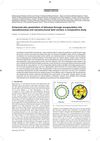
May 2016 in “Die Pharmazie” Nanostructured lipid carriers deliver lidocaine to the skin better than nanoethosomes.