 77 citations
,
August 2025 in “Signal Transduction and Targeted Therapy”
77 citations
,
August 2025 in “Signal Transduction and Targeted Therapy” Extracellular vesicles show promise for treating diseases but face challenges in development and regulation.
 32 citations
,
January 2017 in “PLoS ONE”
32 citations
,
January 2017 in “PLoS ONE” Adiponectin boosts lipid production in skin cells, potentially helping treat skin conditions with low sebum.
 12 citations
,
August 2017 in “Archives of Pharmacal Research”
12 citations
,
August 2017 in “Archives of Pharmacal Research” Lecithin-based microparticles can deliver minoxidil for hair growth effectively with less skin irritation.
 7 citations
,
April 2018 in “Cosmetics”
7 citations
,
April 2018 in “Cosmetics” Lipids in Japanese hair help maintain glossiness and structure.
 6 citations
,
January 2015 in “Biochemical Society Transactions”
6 citations
,
January 2015 in “Biochemical Society Transactions” The Ysc84/SH3yl1 protein family is important for cell movement and the process of taking in materials by interacting with actin and cell membranes.
 1 citations
,
April 2018 in “Journal of Investigative Dermatology”
1 citations
,
April 2018 in “Journal of Investigative Dermatology” Oleoylethanolamide (OEA) safely boosts fat production in skin cells and may help treat dry skin and reduce inflammation.
 1 citations
,
May 2014 in “Lipid Technology”
1 citations
,
May 2014 in “Lipid Technology” New cleaning surfactants, biofuel production plans, dairy expansions, improved lipid testing methods, and various product launches and developments were reported in lipid technology.
 June 2022 in “Research Square (Research Square)”
 Lipid peroxidation may worsen social behavior issues in autism.

L-PGDS has specific binding sites for its functions and could help in drug delivery system design.
 April 2018 in “Journal of Investigative Dermatology”
 Nicotinic acid reduces excessive oil production in skin cells by activating a specific receptor, which could help treat acne.
 128 citations
,
March 2016 in “Advanced Pharmaceutical Bulletin”
128 citations
,
March 2016 in “Advanced Pharmaceutical Bulletin” Smaller nanoparticles penetrate skin better, especially through hair follicles.
 39 citations
,
April 2011 in “Recent Patents on Drug Delivery & Formulation”
39 citations
,
April 2011 in “Recent Patents on Drug Delivery & Formulation” Nanoemulsion-based drug delivery systems are versatile and have potential for treating various medical conditions and improving vaccines.
 17 citations
,
April 2021 in “Biointerface Research in Applied Chemistry”
17 citations
,
April 2021 in “Biointerface Research in Applied Chemistry” Nanostructured lipid carriers are promising for improving drug delivery in medicine and food.
 16 citations
,
August 2014 in “Colloids and surfaces. B, Biointerfaces”
16 citations
,
August 2014 in “Colloids and surfaces. B, Biointerfaces” Lipid-coated silica nanoparticles penetrate human skin more deeply than bare silica nanoparticles.
 15 citations
,
December 2016 in “Advanced Pharmaceutical Bulletin”
15 citations
,
December 2016 in “Advanced Pharmaceutical Bulletin” The new cream with N-acetyl glucosamine didn't change skin color after 8 weeks.
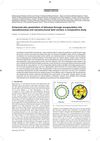 15 citations
,
May 2016 in “Die Pharmazie”
15 citations
,
May 2016 in “Die Pharmazie” Nanostructured lipid carriers deliver lidocaine to the skin better than nanoethosomes.
 1 citations
,
September 2022 in “International Journal of Research Publication and Reviews”
1 citations
,
September 2022 in “International Journal of Research Publication and Reviews” Nanotechnology in hair care improves results but has risks.
 April 2026 in “International Journal of Nanomedicine”
 Quercetin delivery systems are improving its effectiveness for medical use.
 February 2026 in “Frontiers in Bioengineering and Biotechnology”
 Liposome-based systems improve skin wound healing effectively.
 December 2024 in “International Journal of Drug Delivery Technology”
 The new delivery method for dutasteride is more effective and has fewer side effects.
 February 2024 in “International Journal For Multidisciplinary Research”
 Nanostructured lipid carriers are effective for treating hyperpigmentation in women aged 30-40.
 January 2023 in “International Journal of Pharmaceutical Research and Development”
 Nanotechnology therapies can help improve quality of life for those with hair loss.
 32 citations
,
April 2016 in “Aaps Pharmscitech”
32 citations
,
April 2016 in “Aaps Pharmscitech” Nanostructured lipid carriers improve minoxidil delivery for hair loss treatment.
 17 citations
,
October 2016 in “Artificial Cells Nanomedicine and Biotechnology”
17 citations
,
October 2016 in “Artificial Cells Nanomedicine and Biotechnology” Using tiny fat particles to deliver arginine to hair follicles could be a new way to treat hair loss.
 2 citations
,
January 2018 in “Elsevier eBooks”
2 citations
,
January 2018 in “Elsevier eBooks” Lipid nanoparticles improve drug delivery through the skin, offering stability, controlled release, and better compatibility with skin.
 October 2020 in “Journal of Pharmaceutical Sciences”
 Topical finasteride with EGCG or TA improves drug release and dermal uptake, potentially treating hair loss effectively.
 343 citations
,
December 2008 in “Endocrine Reviews”
343 citations
,
December 2008 in “Endocrine Reviews” Metformin helps with menstrual cycles and insulin levels in PCOS but is less effective for hair growth, diabetes prevention, and weight loss, and may improve fertility and reduce diabetes risk.
 263 citations
,
February 2013 in “Wiley interdisciplinary reviews. Nanomedicine and nanobiotechnology”
263 citations
,
February 2013 in “Wiley interdisciplinary reviews. Nanomedicine and nanobiotechnology” Polymeric nanoparticles show promise for treating skin diseases.
 84 citations
,
April 2013 in “Applied Microbiology and Biotechnology”
84 citations
,
April 2013 in “Applied Microbiology and Biotechnology” Mannosylerythritol lipids are good for skin and hair care products.
 60 citations
,
January 2023 in “Biomaterials Science”
60 citations
,
January 2023 in “Biomaterials Science” PLGA-based microneedles are promising for safe and effective skin delivery of drugs and vaccines.