 14 citations
,
August 2019 in “BioMed Research International”
14 citations
,
August 2019 in “BioMed Research International” Belly fat is the main predictor of nonalcoholic fatty liver disease in both women with Polycystic ovary syndrome and healthy women.
16 citations
,
August 2000 in “British Journal of Dermatology” Removing the liver tumor improved the patient's skin condition and hair growth.
 326 citations
,
February 2009 in “The American journal of pathology”
326 citations
,
February 2009 in “The American journal of pathology” Lgr5 is a marker for active, self-renewing stem cells in the intestine and skin, important for tissue maintenance.
24 citations
,
December 2018 in “Inflammation and Regeneration” Phospholipase A2 enzymes play key roles in skin health and disease.
 March 2026 in “Folia Histochemica et Cytobiologica”
 LTBP1 is a key regulator in diseases and a potential target for new treatments.
 6 citations
,
March 2016 in “PLoS ONE”
6 citations
,
March 2016 in “PLoS ONE” The patient's hair was thinner and had fewer lipids due to a genetic mutation.
22 citations
,
October 2004 in “Journal of Investigative Dermatology” The gene causing hair loss and heart issues in rough coat mice is still unknown.
3 citations
,
October 2024 in “International Journal of Molecular Sciences” Certain genes in fat tissue affect weight loss in women with PCOS.
 April 2019 in “Journal of Investigative Dermatology”
 Lichen planopilaris involves disrupted fat metabolism, increased scarring, and mast cell activity.
January 2024 in “Doria (University of Helsinki)” Keratins help GLUT2 stay on the cell membrane in pancreatic β-cells.
31 citations
,
November 2020 in “International journal of molecular sciences” Adipokines affect skin health and could be targeted for treating skin diseases.
 October 2023 in “Frontiers in endocrinology”
 Androgens and androgen receptors are important for metabolic health, affecting how the body uses glucose and fats through mitochondrial function.
December 2022 in “Biochemical and Biophysical Research Communications” HtrA2 activity is crucial for normal hair growth by regulating fat cell development.
33 citations
,
August 2000 in “Experimental Cell Research” September 2017 in “Journal of Investigative Dermatology” LRIG1 protein affects hair growth by regulating skin receptors, leading to hair loss when overexpressed.
 73 citations
,
June 2010 in “PLoS Genetics”
73 citations
,
June 2010 in “PLoS Genetics” A gene mutation in mice causes hair loss, weak bones, and protein buildup, showing how protein processing issues can lead to diseases.
 September 2019 in “Journal of Investigative Dermatology”
 Specialized ribosomes affect aging in human skin cells.
November 2016 in “Tesis Doctorals en Xarxa (Consorci de Serveis Universitaris de Catalunya)” The VMH AMPK-SNS-BAT axis may help treat cachexia and obesity.
 115 citations
,
October 2009 in “The Journal of clinical endocrinology and metabolism/Journal of clinical endocrinology & metabolism”
115 citations
,
October 2009 in “The Journal of clinical endocrinology and metabolism/Journal of clinical endocrinology & metabolism” The research found that Atypical Progeroid Syndrome has unique symptoms and is not caused by the buildup of a certain mutant protein.
April 2012 in “The FASEB Journal” LPA 4 helps control blood and lymph vessel development in zebrafish.
 February 2025 in “Iraqi Journal of Science”
 PCOS patients have higher LDH and lower cortisol, dopamine, zinc, and vitamin D3, which may contribute to their symptoms and obesity.
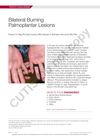
The woman was diagnosed with lichen sclerosus, a rare skin condition, after initial misdiagnosis and ineffective treatments.
June 2009 in “Faculty Opinions – Post-Publication Peer Review of the Biomedical Literature” Lrig1 marks a unique group of stem cells in mouse skin that can become different skin cell types.
 5 citations
,
August 2015 in “Bioscience, Biotechnology, and Biochemistry”
5 citations
,
August 2015 in “Bioscience, Biotechnology, and Biochemistry” Obese mice with a leptin gene mutation have a longer resting phase in their hair cycle, which may help understand certain hair loss conditions.
36 citations
,
September 1996 in “PubMed” DP and DS cells are different from DF cells in structure and function.
 11 citations
,
March 2024 in “Cell and Tissue Research”
11 citations
,
March 2024 in “Cell and Tissue Research” Telocytes have potential in therapy and tissue regeneration, but challenges in identification and cultivation remain.
 September 2025 in “Clinical Case Reports”
 Adipose tissue-derived exosomes may help treat lichen planopilaris and preserve hair.
7 citations
,
January 2021 in “bioRxiv (Cold Spring Harbor Laboratory)” Skin cells control immune cell placement, helping the skin respond better to challenges.
8 citations
,
October 2024 in “Frontiers in Cell and Developmental Biology” Telocytes help organize male reproductive tissues and their changes can lead to diseases.
 11 citations
,
January 2017 in “Journal of Endocrinology/Journal of endocrinology”
11 citations
,
January 2017 in “Journal of Endocrinology/Journal of endocrinology” Female mice with disrupted 5α-reductase 1 had significant metabolic issues, including stress response problems, insulin resistance, liver fat buildup, and obesity.