15 citations
,
June 2023 in “Journal of Microbiology and Biotechnology” Loliolide from Scenedesmus deserticola may help with anti-aging.
 April 2023 in “Journal of Investigative Dermatology”
 Being allergic to linalool, a common fragrance ingredient, might contribute to developing frontal fibrosing alopecia.
 81 citations
,
November 2012 in “Journal of the National Cancer Institute”
81 citations
,
November 2012 in “Journal of the National Cancer Institute” The tumor suppressor gene FLCN affects mitochondrial function and energy use in cells.
 29 citations
,
June 2018 in “Scientific Reports”
29 citations
,
June 2018 in “Scientific Reports” 15-lipoxygenase helps keep skin healthy by reducing inflammation.
 March 2026 in “Plastic and Aesthetic Research”
 Adipose-derived stem cell exosomes can help reduce skin aging from UV exposure.
24 citations
,
July 2015 in “Molecular Medicine Reports” Lysophosphatidic acid boosts stem cell growth and movement by creating reactive oxygen species.
 October 2025 in “Advanced Materials”
 New lipid/fiber microplexes improve mRNA therapy for degenerative diseases by enhancing cell function and treatment effectiveness.
 6 citations
,
November 1996 in “Archives of Dermatology”
6 citations
,
November 1996 in “Archives of Dermatology” A man's relapsed leprosy was successfully treated with the antibiotic sparfloxacin.
 May 2026 in “AAPS PharmSciTech”
 PEGylated flavonoid Aspasomes improve brain protection and memory in stress-related disorders.
 February 2024 in “Skin research and technology”
 The research suggests that immune cells and a specific type of cell death called ferroptosis are involved in Frontal fibrosis alopecia.
 April 2016 in “Journal of Investigative Dermatology”
 FOL-005, a new substance, was found to reduce hair growth without toxicity when injected into skin, suggesting it could be used to treat excessive hair growth.
 2 citations
,
September 2023 in “Frontiers in molecular biosciences”
2 citations
,
September 2023 in “Frontiers in molecular biosciences” Inducing ferroptosis in hepatic stellate cells is crucial for treating liver fibrosis.
39 citations
,
May 2006 in “Molecular Plant-Microbe Interactions” Fusaric acid may help control Orobanche ramosa by activating plant defenses.
September 2015 in “Photodiagnosis and Photodynamic Therapy” July 2024 in “Journal of Investigative Dermatology” Linalool in fragrances may harm hair follicles and contribute to hair loss.
 January 2026 in “Frontiers in Microbiology”
 Enterococcus faecium broth may slow aging and improve health by boosting immunity and gut bacteria.
 June 2026 in “Journal of General-Procedural Dermatology & Venereology Indonesia”
 Tofacitinib effectively improves lichen planus pigmentosus symptoms.
2 citations
,
December 2015 in “DOAJ (DOAJ: Directory of Open Access Journals)” Sonophoresis reduces skin absorption of sodium fluorescein in certain liposomes.
Red light exposure slows aging in mice by improving fat metabolism.
February 2026 in “Indian Dermatology Online Journal” Tofacitinib significantly improved skin and hair conditions without side effects.
 14 citations
,
July 2012 in “Journal of the American Academy of Dermatology”
14 citations
,
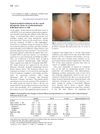
July 2012 in “Journal of the American Academy of Dermatology” Topical tacalcitol ointment can help improve symptoms of EFFC.
17 citations
,
February 2001 in “Journal of the American Academy of Dermatology” Lithium can cause skin changes similar to mycosis fungoides.
 December 2023 in “Redox biology”
 The substance DMC helps get rid of aging cells by triggering a process that causes cell death, which could treat age-related diseases.
2 citations
,
January 2025 in “Journal of Nanobiotechnology” A new engineered treatment shows promise in curing heart fibrosis.
2 citations
,
December 2021 in “Pharmaceutics” Finasteride-loaded proniosomes effectively promote hair growth in mice.
5 citations
,
October 2020 in “Veterinary record case reports” Fluorescent light energy may help treat skin infections in dogs with calcinosis cutis.
28 citations
,
June 1995 in “The Journal of Dermatology” The flaky skin mouse mutation is a natural model for studying human psoriasis.
 January 2020 in “International Journal of PharmTech Research”
 A man with severe leprosy developed painless ulcers and numbness, treated successfully with multiple drugs and vitamins.
7 citations
,
March 2023 in “The Journal of Biochemistry” LONRF1 is important for oxidative damage response and tissue remodeling during wound healing.
3 citations
,
January 2016 in “Dermatology online journal” Some people with lichen planus pigmentosus might later develop frontal fibrosing alopecia.