Search
for
Sort by
Research
150-180 / 1000+ results
research MINOXIDIL FOR MALE-PATTERN BALDNESS
research Topical minoxidil therapy for hair regrowth.
Topical minoxidil can help regrow hair with regular use, but results vary and side effects may occur.
research Nanoemulsion Vehicles as Carriers for Follicular Delivery of Luteolin
Nanoemulsion is a promising method for delivering luteolin to promote hair growth without minoxidil's side effects.
research Topical minoxidil for extended areate alopecia
1% topical minoxidil helped some hair regrow, but only one person had noticeable results.

research Topical minoxidil therapy for androgenetic alopecia. A 30-month study
Minoxidil solution helps regrow hair in men with hair loss, with most improvement seen at 12 months and effects lasting over 30 months.
research Notes from the Editor Emeritus: Medical therapy for hair loss: what we know and what we need to find out
Minoxidil and finasteride are effective for male hair loss; minoxidil also helps female hair loss, with some treatments needing more research.
research Topical minoxidil in early male pattern baldness
Minoxidil promotes hair growth in male pattern baldness.
research Development and characterization of minoxidil-loaded liposomal system for delivery to pilosebaceous units
Minoxidil-loaded liposomes effectively deliver to hair follicles, potentially improving hair growth and treating alopecia.
research [A critical review of the results of clinical experimentation with topical minoxidil 2%].
Topical minoxidil 2% improves hair growth in about 30% of users.
research Effect Of Topically Applied Melatonin And Their Combination With Minoxidil Solution For Enhancement Of Hair Growth In Male Mice
Melatonin and minoxidil together may improve hair growth when applied to the skin.
research 1050 Effect of minoxidil on hair growth in minipigs
Minoxidil didn't significantly increase hair growth in minipigs.
research Topical Alternatives for Hair Loss: Beyond the Conventional
Topical alternatives like Redensyl, Procapil, onion juice, and rosemary oil may help with hair loss and have fewer side effects.
research Efficacy and safety of minoxidil 3% lotion for beard enhancement: A randomized, double‐masked, placebo‐controlled study
Minoxidil 3% lotion is effective and safe for increasing beard hair count.
research Noninvasive Hair Rejuvenation
Noninvasive treatments like minoxidil, finasteride, and low-light laser therapy can help with hair loss.
research 695 Using MALDI-MSI analysis to study distribution of FOL-005, a potent, novel inhibitor of human hair growth, after subcutaneous injection in mice
FOL-005, a new substance, was found to reduce hair growth without toxicity when injected into skin, suggesting it could be used to treat excessive hair growth.
research Coming full circle (almost): Low dose oral minoxidil for alopecia
Low-dose oral minoxidil is an effective and safe treatment for hair loss.
research Stimulation of hair regrowth in an animal model of androgenic alopecia using 2-deoxy-D-ribose
2-deoxy-D-ribose gel may help regrow hair in cases of hair loss.
research A Multimodal Hair-Loss Treatment Strategy Using a New Topical Phytoactive Formulation: A Report of Five Cases
The new topical botanical formulation significantly regrew hair in all five patients without side effects.
research Cyclic dynamics of hair follicles and the effect of minoxidil on the bald scalps of stumptailed macaques
Minoxidil helps grow longer, thicker hair in bald scalps of stumptailed macaques, and early treatment is more effective.

research Topical minoxidil therapy in hereditary androgenetic alopecia
Minoxidil applied twice daily can help regrow hair in some people with hereditary baldness, with no serious side effects.

research Lipid nanocarriers as innovative strategies for hair regrowth
Lipid nanocarriers could effectively promote hair regrowth with fewer side effects.
research Prostaglandin analogs for hair growth: Great Expectations
Prostaglandin analogs like Latanoprost might help grow hair on the scalp and body.
research Follicular delivery of a novel peptide therapeutic for the treatment of androgenic alopecia
A new peptide, murikal/SPR4, was found to significantly increase hair growth in mice, and its liposomal topical formulations enhanced hair growth more than commercial products. However, results on human scalp skin were unclear, needing more tests.
research MINOXIDIL: HOPE FOR THE BALD?
Minoxidil helps some bald men, but most lose hair again when stopping.
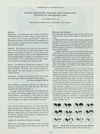
research TOPICAL MINOXIDIL THERAPY FOR ANDROGENIC ALOPECIA IN THE MIDDLE EAST
Topical minoxidil is effective and safe for hair regrowth in Middle Eastern men with early baldness, with better results in younger patients and certain types of baldness.
research Minoxidil topical foam: A new kid on the block
Minoxidil topical foam is a better, less irritating treatment for hair loss.

research Sublingual Minoxidil Increases Fibre Diameter in Male Androgenetic Alopecia. - A proxy for Reversal of Hair Follicle Miniaturization.
Sublingual minoxidil increases hair thickness in men with hair loss.

research Low-level light therapy versus topical 5% minoxidil in the management of androgenetic alopecia in males: A randomised controlled trial
Both low-level light therapy and 5% minoxidil are effective and safe for treating male hair loss, with no significant difference in results.
research The Effect of Topical Bimatoprost 0.03% Solution on Androgenic Alopecia
Bimatoprost 0.03% solution may help treat hair loss.