 13 citations
,
February 2017 in “Science”
13 citations
,
February 2017 in “Science” Turning scar-forming cells into fat cells can reduce scarring.
 1 citations
,
August 2023 in “Biomolecules & therapeutics”
1 citations
,
August 2023 in “Biomolecules & therapeutics” HAPLN1 can promote hair growth and may help treat hair loss.
January 2022 in “The Pan African medical journal” Hypertrichosis causes excessive hair growth and needs psychological support due to its impact on self-esteem.
 77 citations
,
March 2014 in “Cold Spring Harbor Perspectives in Medicine”
77 citations
,
March 2014 in “Cold Spring Harbor Perspectives in Medicine” Fat cells are important for healthy skin, hair growth, and healing, and changes in these cells can affect skin conditions and aging.
71 citations
,
October 2017 in “Journal of Investigative Dermatology” PPAR-γ agonists like pioglitazone may help manage lichen planopilaris but don't fully reverse scarring.
3 citations
,
December 2023 in “International Journal of Nanomedicine” Repaglinide-loaded liponiosomal hybrids improve blood sugar control and insulin release better than regular Repaglinide.
 1 citations
,
May 2013 in “Journal of the Egyptian Women's Dermatologic Society (Print)”
1 citations
,
May 2013 in “Journal of the Egyptian Women's Dermatologic Society (Print)” Women with idiopathic hirsutism and PCOS have higher RBP4 levels, and PCOS is linked to greater insulin resistance; weight management may help both conditions.
January 2022 in “Springer eBooks” Combining PRP with lipofilling shows promise for tissue regeneration but needs more clinical trials to confirm benefits.
5 citations
,
December 2018 in “Annals of plastic surgery” Some burn patients grew extra hair in areas treated with pressure garments or silicone.

Adipocytes in atopic dermatitis skin change and worsen inflammation and fibrosis.
 May 2021 in “Journal of the Endocrine Society”
 A woman with a rare ovarian tumor and hyperparathyroidism improved after surgery, highlighting the need for reporting unusual cases to understand and manage rare diseases.
 December 2021 in “Signal transduction and targeted therapy”
 Increasing sebum production might help reduce fat and improve metabolism.
 April 2021 in “BMJ Case Reports”
 Accurate diagnosis of pseudolymphomatous folliculitis is crucial to avoid mistaking it for more serious conditions.
 1 citations
,
September 2018 in “Australasian Journal of Dermatology”
1 citations
,
September 2018 in “Australasian Journal of Dermatology” A boy with GAPO syndrome had hair loss similar to male pattern baldness without hormone issues, possibly due to skin or blood vessel problems.
Mechanical stress causes ligament thickening through WISP-1 and Hedgehog signaling.
5 citations
,
March 1981 in “PubMed” A girl grew extra hair in areas where she had insect bites.
 75 citations
,
October 2016 in “Genes & Development”
75 citations
,
October 2016 in “Genes & Development” Cells in hair follicles help create fat cells in the skin by releasing a protein called Sonic Hedgehog.
4 citations
,
July 2023 in “Experimental Dermatology” Fat grafting reduces scar fibrosis but may slow skin healing.
Poly-L-lactic acid injections can cause hair loss and skin issues.
 April 2018 in “Journal of Investigative Dermatology”
 Stabilizing HIF1A in hair follicles increases glycolysis, which may help reduce oxidative stress and support hair growth.
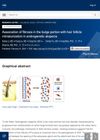 February 2021 in “Journal of The American Academy of Dermatology”
 Fibrosis in the bulge area of hair follicles can cause hair thinning in male pattern baldness, and drugs that inhibit fibrosis might help reverse this.
253 citations
,
April 2009 in “Journal of Biological Chemistry” p2y5, now called LPA6, is a receptor important for human hair growth.
 27 citations
,
February 2020 in “Journal of Cardiovascular Translational Research”
27 citations
,
February 2020 in “Journal of Cardiovascular Translational Research” Women generally handle heart enlargement better than men, but it's riskier for them if it occurs; hormones like estrogen offer some protection.
October 2025 in “Journal of the Endocrine Society” Leydig cell tumors in the ovary can cause high testosterone and male traits in postmenopausal women but are treatable with surgery.
 17 citations
,
February 2019 in “Journal of Clinical Medicine”
17 citations
,
February 2019 in “Journal of Clinical Medicine” Testosterone replacement therapy should be used for men with low testosterone levels and symptoms of hypogonadism, after careful diagnosis and considering individual needs.
135 citations
,
December 2006 in “PLoS Medicine” Hyaluronate fragments can help reverse skin thinning by working with the CD44 receptor.
 January 2026 in “Biomedicines”
 Dysregulated lipid metabolism may play a role in male pattern baldness.
 September 2025 in “Clinical Case Reports”
 Adipose tissue-derived exosomes may help treat lichen planopilaris and preserve hair.
 April 2018 in “The journal of investigative dermatology/Journal of investigative dermatology”
 Li2CO3 improved skin disease in a mouse model of Focal Dermal Hypoplasia without toxicity.
42 citations
,
February 2019 in “Circulation” Targeting ATM could help manage heart cell enlargement due to pressure overload.