2 citations
,
September 2022 in “Annals of Oncology” Mirvetuximab soravtansine improves quality of life and reduces symptoms more than standard chemotherapy in ovarian cancer patients.
 September 2025 in “Advanced Pharmaceutical Bulletin”
 Genosomes are promising for safe and effective gene delivery in therapy.
July 2024 in “Journal of Investigative Dermatology” PH-762 shows promise in treating skin cancer by effectively targeting and silencing PD-1 in tumors with minimal side effects.
2 citations
,
September 2024 in “PLoS ONE” Bendamustine combined with tucidinostat may effectively treat adult T-cell leukemia.
 July 2024 in “Scholars Journal of Medical Case Reports”
 Combining low-level laser therapy and exosome therapy promotes hair growth.
5 citations
,
February 2016 in “International Journal of Cancer” Topical vasoconstrictors do not reduce chemotherapy effectiveness against leukemia in mice.
February 2020 in “Oncology Times” Antibody drug conjugates show promise in targeting cancer cells while reducing harm to healthy cells.
 April 2023 in “Journal of Investigative Dermatology”
 ALRN-6924 can protect hair follicles from chemotherapy damage by temporarily stopping cell division.
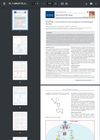 February 2026 in “Indian Journal of Skin Allergy”
 Ruxolitinib cream effectively treats skin conditions like atopic dermatitis and vitiligo with minimal side effects.
February 2020 in “Central Plains Medical Journal” Thalidomide with CHOP is more effective for peripheral T-cell lymphoma than CHOP alone.
October 2025 in “Our Dermatology Online” Tranexamic acid and oral retinoids may effectively treat lichen plan pigmentosus.
14 citations
,
November 2016 in “Lupus” Lenalidomide effectively and safely treats skin symptoms in pediatric lupus, reducing the need for prednisone.
5 citations
,
July 2010 in “Archives of Internal Medicine” Prostaglandins may protect hair follicles during chemotherapy.
6 citations
,
September 2025 in “Cosmetics” Laser-Assisted Exosome Delivery showed early skin improvement without side effects, but more research is needed.
2 citations
,
October 2025 in “Frontiers in Medicine” Deuruxolitinib effectively improves hair regrowth in alopecia areata but requires monitoring for side effects.
2 citations
,
May 2020 in “JAAD case reports” Ruxolitinib can cause a delayed skin reaction on the nose.
April 2025 in “Biological and Clinical Sciences Research Journal” Nab-paclitaxel is as effective as cisplatin but safer for early-stage cervical cancer treatment.
 12 citations
,
June 2022 in “FARMACIA”
12 citations
,
June 2022 in “FARMACIA” Transethosomal gels improve naftifine skin delivery better than Exoderil cream.
 8 citations
,
March 2018 in “Journal of Drug Delivery Science and Technology”
8 citations
,
March 2018 in “Journal of Drug Delivery Science and Technology” Itraconazole-loaded nanoparticles are more effective and less toxic for treating fungal infections than conventional oral itraconazole.
21 citations
,
August 2002 in “British Journal of Ophthalmology” Intralesional cidofovir may be a viable alternative treatment for SCC.
3 citations
,
March 1981 in “Journal of Toxicology and Environmental Health” Rats developed lung issues from the drugs, but these cleared quickly after stopping them.
45 citations
,
July 2006 in “Journal of Investigative Dermatology” Chemotherapy affects blood vessels in hair follicles, not stem cells, allowing hair regrowth.
September 2025 in “Journal of the American Academy of Dermatology” Deuruxolitinib significantly improves hair satisfaction in severe alopecia areata patients.
2 citations
,
November 2024 in “In Silico Pharmacology”  141 citations
,
September 2016 in “European Journal of Dermatology”
141 citations
,
September 2016 in “European Journal of Dermatology” Taxane chemotherapy can cause skin, hair, and nail side effects, which are often under-reported and can affect patient quality of life.
32 citations
,
March 2009 in “AAPS PharmSciTech” 28 citations
,
December 2001 in “European Journal of Pharmacology” M50054 may help treat hepatitis and hair loss from chemotherapy.
2 citations
,
March 2025 in “ESMO Open” Long-term treatment with palbociclib plus letrozole maintains quality of life in certain breast cancer patients.
January 2024 in “Universiti Putra Malaysia Institutional Repository (Universiti Putra Malaysia)” Luteolin-loaded nanoformulations could improve cancer treatment by enhancing luteolin's effectiveness.
 March 2026 in “Preprints.org”
 DRDE-07 shows promise for treating skin diseases due to its favorable properties.