4350 citations
,
May 2012 in “Arthritis & Rheumatism” The new SLICC criteria for diagnosing lupus are more sensitive and accurate than the old criteria.
12 citations
,
May 2021 in “The journal of investigative dermatology/Journal of investigative dermatology” Laminin 332 is essential for normal skin cell behavior and structure.
 April 2024 in “Journal of pharmacy & pharmacognosy research”
 A compound from Calophyllum inophyllum L. leaf may help treat non-small cell lung cancer.
 June 2023 in “British Journal of Dermatology”
 The prototype for analyzing skin aging works technically and clinically.
The microenvironment affects the behavior and survival of melanocytes with the GNAQ oncogene in melanoma.
 November 2020 in “International journal of contemporary pediatrics”
 Two siblings had a rare immune disorder caused by a FOXN1 gene mutation.
 January 2025 in “Dermatology Reports”
 Early and accurate diagnosis is crucial for managing rare genetic disorders like this localized variant of junctional epidermolysis bullosa.
10 citations
,
November 2020 in “American Journal Of Pathology” Integrin β1 is crucial for liver structure and function, preventing fibrosis.
 4 citations
,
November 2024 in “Cell Biology and Toxicology”
4 citations
,
November 2024 in “Cell Biology and Toxicology” Blocking certain receptors in the lungs might help treat a specific type of asthma.
5 citations
,
January 2021 in “Indian Journal of Pharmacology” Nilotinib can cause generalized keratosis pilaris.
March 2019 in “SLAS TECHNOLOGY” New technologies show promise in healing wounds, treating cancer, autoimmune diseases, and genetic disorders.
November 2016 in “The Molecular Biology Society of Japan” 4 citations
,
December 2020 in “Tissue Barriers” Loricrin affects skin immune function and homeostasis.
 November 2020 in “Journal of The American Academy of Dermatology”
 Certain immune markers may predict chemotherapy response in mesothelioma, and nivolumab is a tolerable and effective treatment for advanced non-small cell lung cancer.
 201 citations
,
November 1964 in “Journal of neurophysiology”
201 citations
,
November 1964 in “Journal of neurophysiology” The cuneate nucleus has two main neuron types: relay neurons and interneurons.
36 citations
,
March 2014 in “Annals of the Rheumatic Diseases” Activating liver X receptors can reduce fibrosis by stopping certain immune cells from releasing harmful proteins.
 January 2025 in “PLoS ONE”
 ING5 is crucial for stem cell maintenance and preventing certain cancers.
1 citations
,
May 2022 in “International journal of molecular sciences” Faulty LEF1 activation causes faster skin cell differentiation in premature aging syndrome.
January 2022 in “Mammalian Genome” The wavy coat in NCT mice is caused by multiple genes, including a mutation in the Prss53 gene.
 15 citations
,
May 2016 in “Die Pharmazie”
15 citations
,
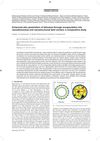
May 2016 in “Die Pharmazie” Nanostructured lipid carriers deliver lidocaine to the skin better than nanoethosomes.
21 citations
,
January 2020 in “Brazilian Journal of Medical and Biological Research” H19 may help cause PCOS by affecting CTGF levels, suggesting a new treatment target.
 65 citations
,
June 2003 in “EMBO journal”
65 citations
,
June 2003 in “EMBO journal” Noggin overexpression delays eyelid opening by affecting cell death and skin cell development.
1 citations
,
May 2023 in “bioRxiv (Cold Spring Harbor Laboratory)” A new tool allows easier long-term imaging of live skin cells, helping study diseases like skin cancer.
 June 2011 in “CRC Press eBooks”
 Low-Level Laser Therapy can stimulate healing and cell function, potentially leading to wider medical use.
3 citations
,
March 2024 in “iScience” Long-lived proteins may predict age-related diseases.
 40 citations
,
March 2019 in “Nature Communications”
40 citations
,
March 2019 in “Nature Communications” CRAC channels are crucial for the development and function of specialized immune cells, preventing severe inflammation and autoimmune diseases.
Mechanical stress causes ligament thickening through WISP-1 and Hedgehog signaling.
 November 2023 in “Research Square (Research Square)”
 NIR-II imaging effectively tracked stem cells that helped repair facial nerve defects in rats.
September 2025 in “Acta Biomaterialia” A new tissue adhesive helps wounds heal better by allowing more cells to enter.
 February 2009 in “Journal of The American Academy of Dermatology”
 Fractional infrared technology is effective and safe for treating cervical laxity.